WHO chief urges ceasefire as Ebola crisis deepens in DR Congo
With over 200 deaths recorded and conflict complicating aid delivery, the World Health Organization calls for a pause in fighting while neighbouring states impose border restrictions.
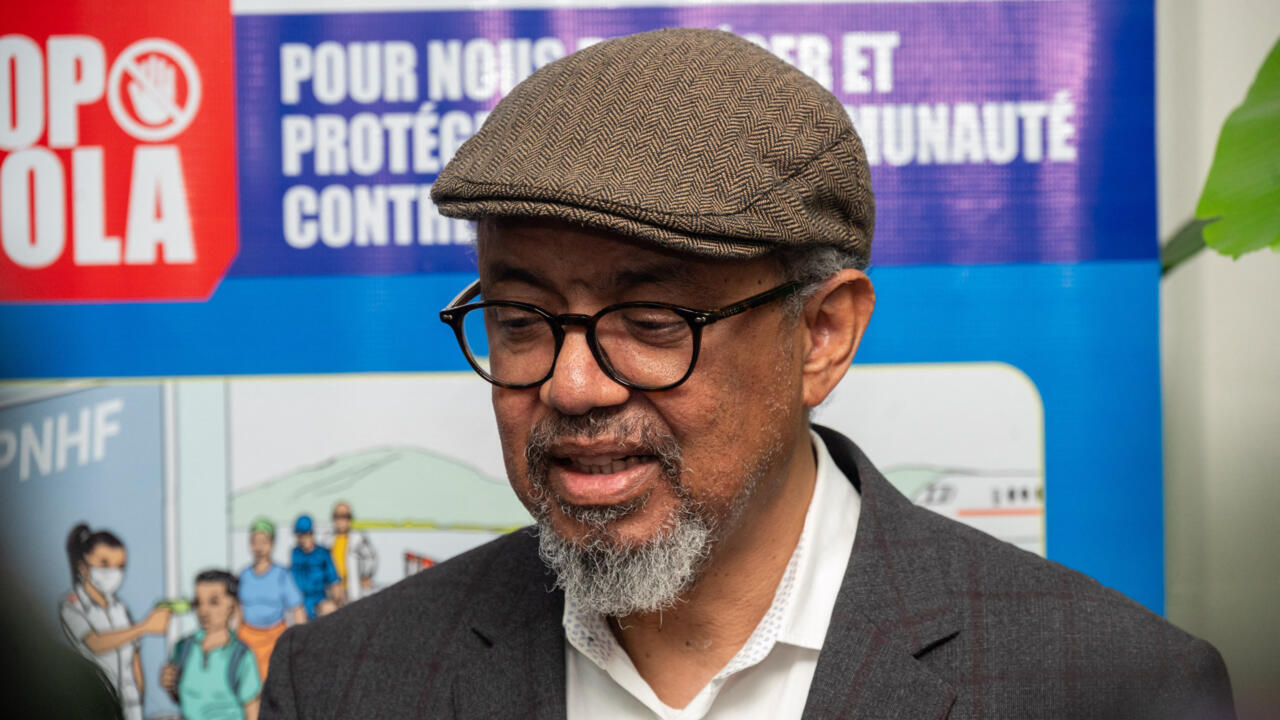
Tedros Adhanom Ghebreyesus, the Director-General of the World Health Organization, arrived in Kinshasa on Thursday to oversee the international response to the Ebola outbreak in the Democratic Republic of Congo, declaring that the epidemic can be contained despite the volatile security situation in the east. Speaking upon his arrival, the UN health chief urged armed groups to declare a ceasefire to facilitate the delivery of aid and medical support, emphasizing that the current crisis is manageable but requires immediate cooperation from warring factions.
The outbreak, caused by the Bundibugyo strain of the Ebola virus, has recorded 10 confirmed and 223 suspected deaths since it was officially declared on 15 May, with more than 1,000 confirmed and suspected cases identified. The WHO warned that the true spread of the virus is likely wider than current figures suggest, as the epidemic has circulated under the radar for some time. The epicentre of the outbreak is Ituri province, a mineral-rich region scarred by decades of violence, where the Rwanda-backed M23 group has seized significant territory since 2021.
Addressing the intersection of health and security, Tedros made a direct appeal to all warring parties in the region to stop the fighting. He stated that conflict and displacement make the containment of infectious diseases significantly harder, noting that no grievance is worth condemning innocent people to death from a preventable disease. The WHO head confirmed he would travel to Ituri province on Friday to support the response effort, working under the leadership of the DRC government.
Complicating the response is the lack of specific medical countermeasures for the Bundibugyo strain, for which no approved vaccine or treatment currently exists. However, Jean Kaseya, head of the Africa Centres for Disease Control and Prevention, stated that a vaccine and medicine for the strain should be ready by the end of 2026. The WHO has recommended clinical trials for new vaccines and treatments, with plans to work closely with the DRC and Uganda to facilitate research evaluation of these products.
Regional borders have tightened in response to the spread of the virus. Neighbouring Uganda closed its border with the DRC with immediate effect after confirming one death and six additional cases. Meanwhile, the United States announced it would not allow infected individuals to enter the country, with the administration of President Donald Trump working to open a treatment facility for US citizens in Kenya rather than facilitating their return to American soil. A Kenya rights group has filed a court petition seeking to limit operations at the proposed facility, citing concerns about the burden on the local health system.
Aid deliveries are underway to support the containment efforts, with the WHO receiving 4.6 tonnes of aid at the airport in Bunia, the capital of Ituri province. UNICEF has also announced it is sending 100 tonnes of aid to the DRC. The WHO reiterated its opposition to travel bans as a primary containment strategy, arguing that such measures do not help much in combating the outbreak, while continuing to coordinate with national authorities to manage the public health emergency.