WHO allocates 70,000 Ervebo vaccine doses to DR Congo amid record Ebola outbreak
The World Health Organization has released vaccines from its global stockpile to address the Democratic Republic of the Congo's largest Ebola crisis, with Gavi funding the logistics and high-risk vaccination campaigns.
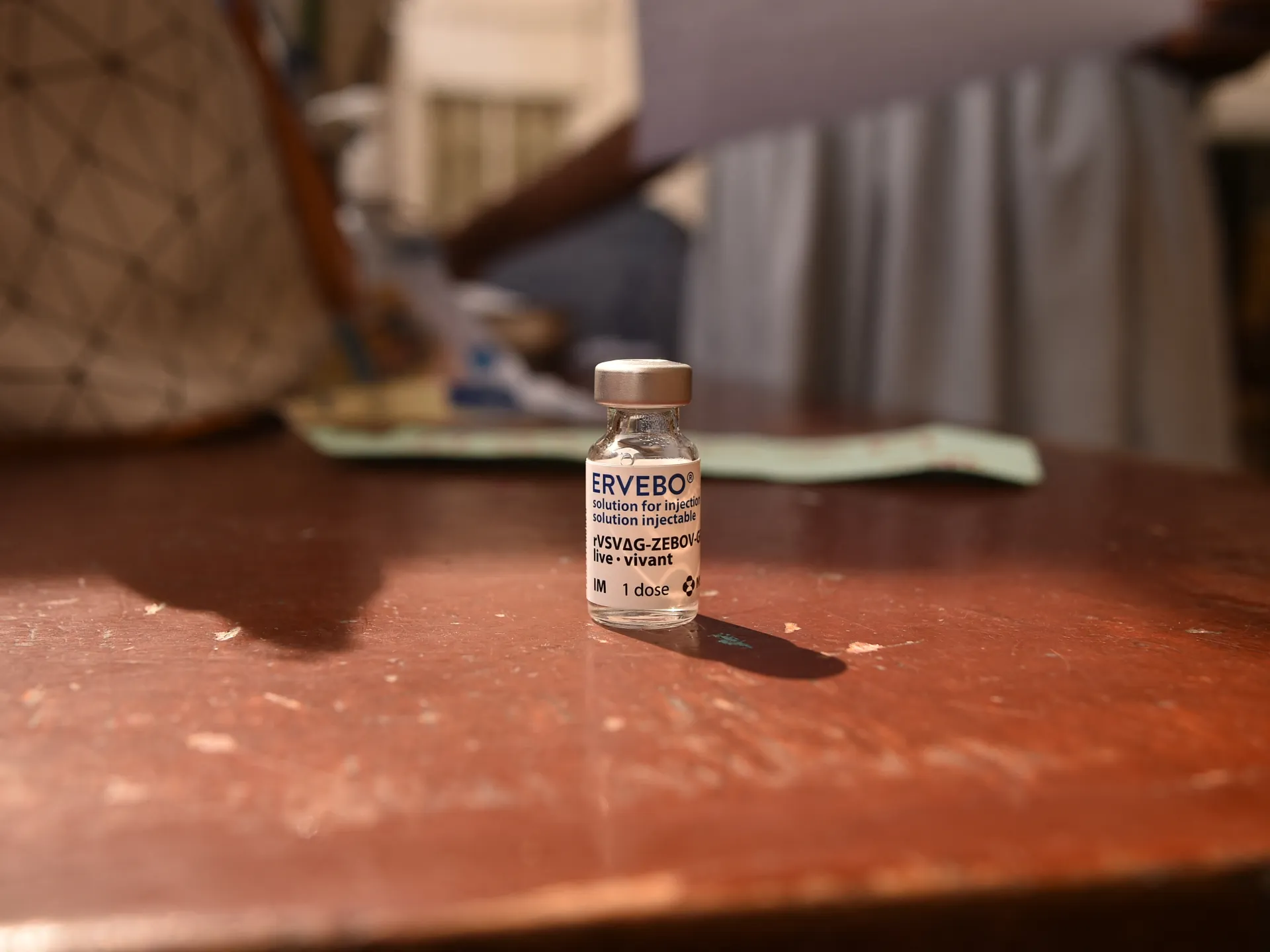
The World Health Organization (WHO) has allocated 70,000 doses of the Ervebo vaccine to the Democratic Republic of the Congo (DRC) to combat the country's most severe Ebola outbreak to date. The announcement, made on Thursday, confirms the release of doses from the global Ebola virus disease vaccine stockpile in response to a request from the Congolese government last week.
The allocation is strategically divided to address both immediate protection and long-term data needs. Fifty thousand doses are designated for frontline and health workers, a move aligned with recommendations from the WHO's Strategic Advisory Group of Experts on Immunization. The remaining 20,000 doses are reserved for a late-stage clinical trial to assess the vaccine's efficacy against the Bundibugyo virus.
This distinction is critical because the current outbreak is driven by the Bundibugyo strain, which is not currently covered by the Ervebo licence. While Ervebo has proven effective against the Ebola virus in previous epidemics, the WHO noted that it remains unknown whether the vaccine provides protection against Bundibugyo in humans. To date, no specific vaccine or treatment has been approved for this strain, making the trial essential for generating new clinical evidence.
The outbreak has claimed 2,476 lives from 5,208 confirmed cases. Although declared in mid-May, some experts suspect the virus may have been circulating as early as February. WHO Director-General Tedros Ghebreyesus has described the situation in eastern DRC as a global emergency, underscoring the urgency of the international response.
Financial support for the operation is being provided by the Geneva-based global vaccine alliance, Gavi. The organisation will contribute $7 million to fund the shipment of vaccines to the DRC, along with an additional $6 million to support vaccination efforts in high-risk areas.
On the ground, the Congolese government, supported by the United Nations and partners, has launched the "Congo River Without Ebola" initiative to intensify the response. UN senior Ebola coordinator Julian Harneis outlined five operational priorities, including tripling safe care capacity, strengthening community engagement, doubling safe and dignified burial teams, expanding disease surveillance, and increasing support for the most vulnerable populations.