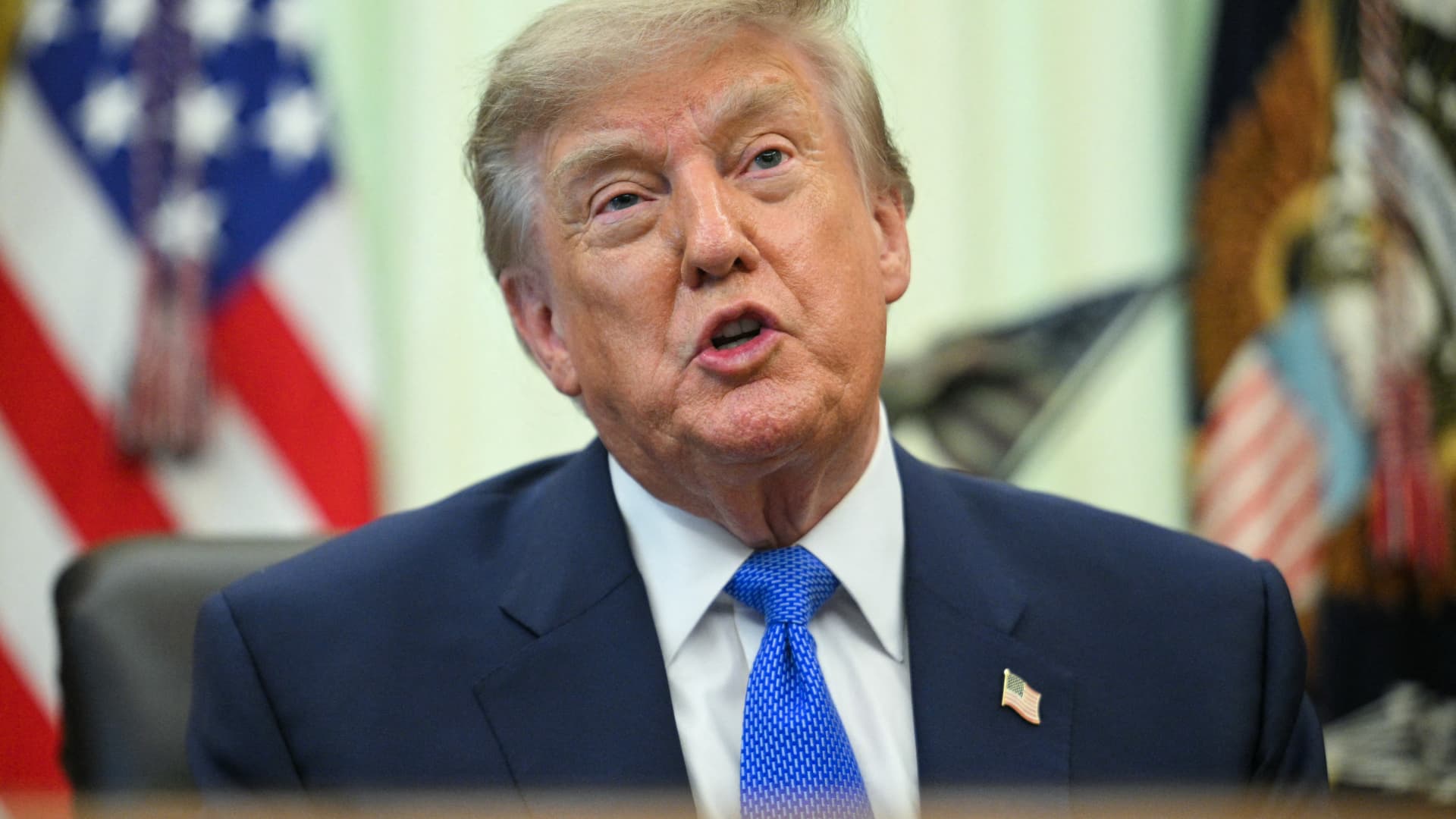
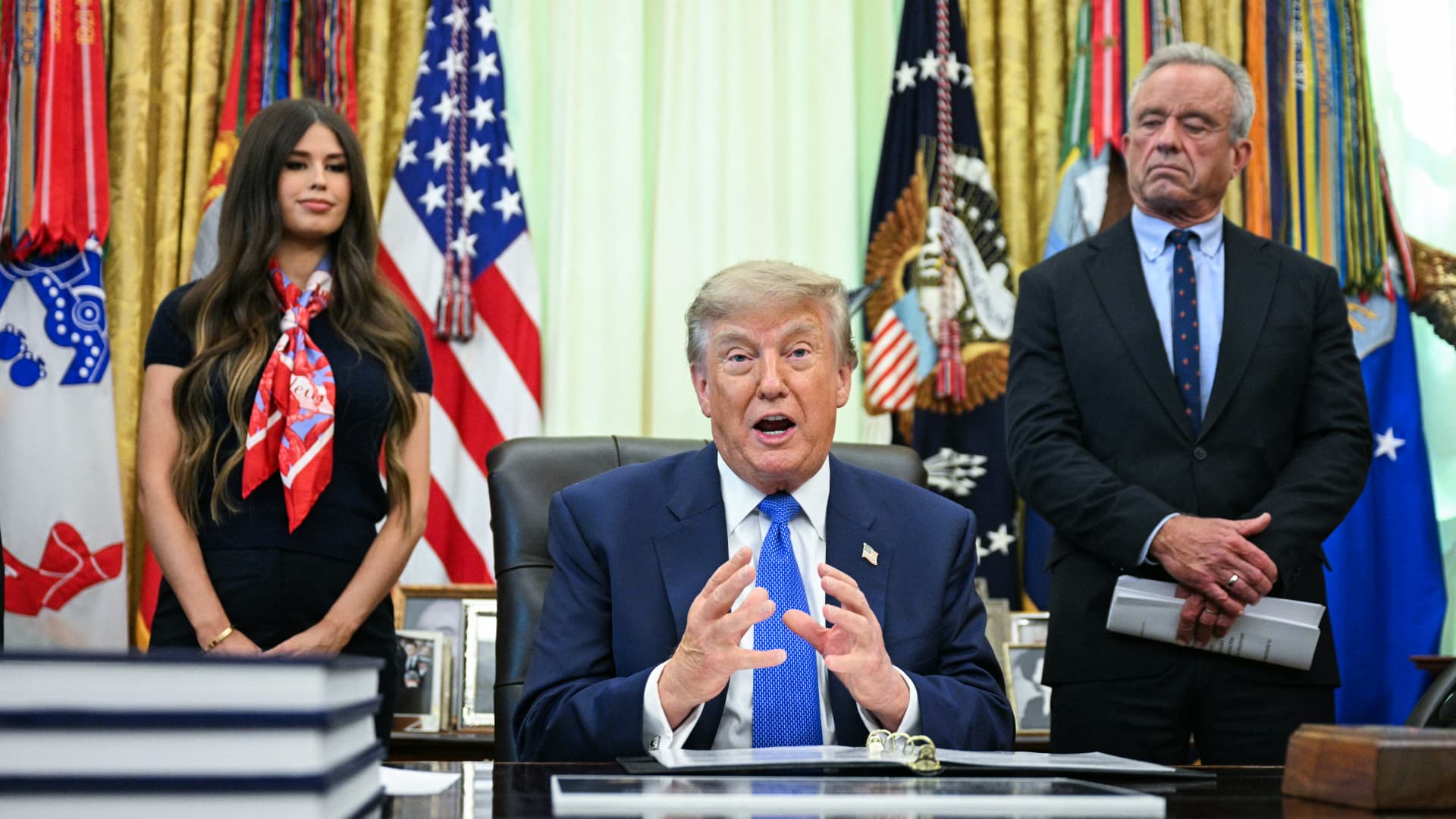
White House seeks $87.6bn supplemental funding for Iran conflict and farm aid
The administration has asked for billions in extra spending to cover military operations in Iran and agricultural assistance, amidst a backdrop of rising energy costs and market volatility.
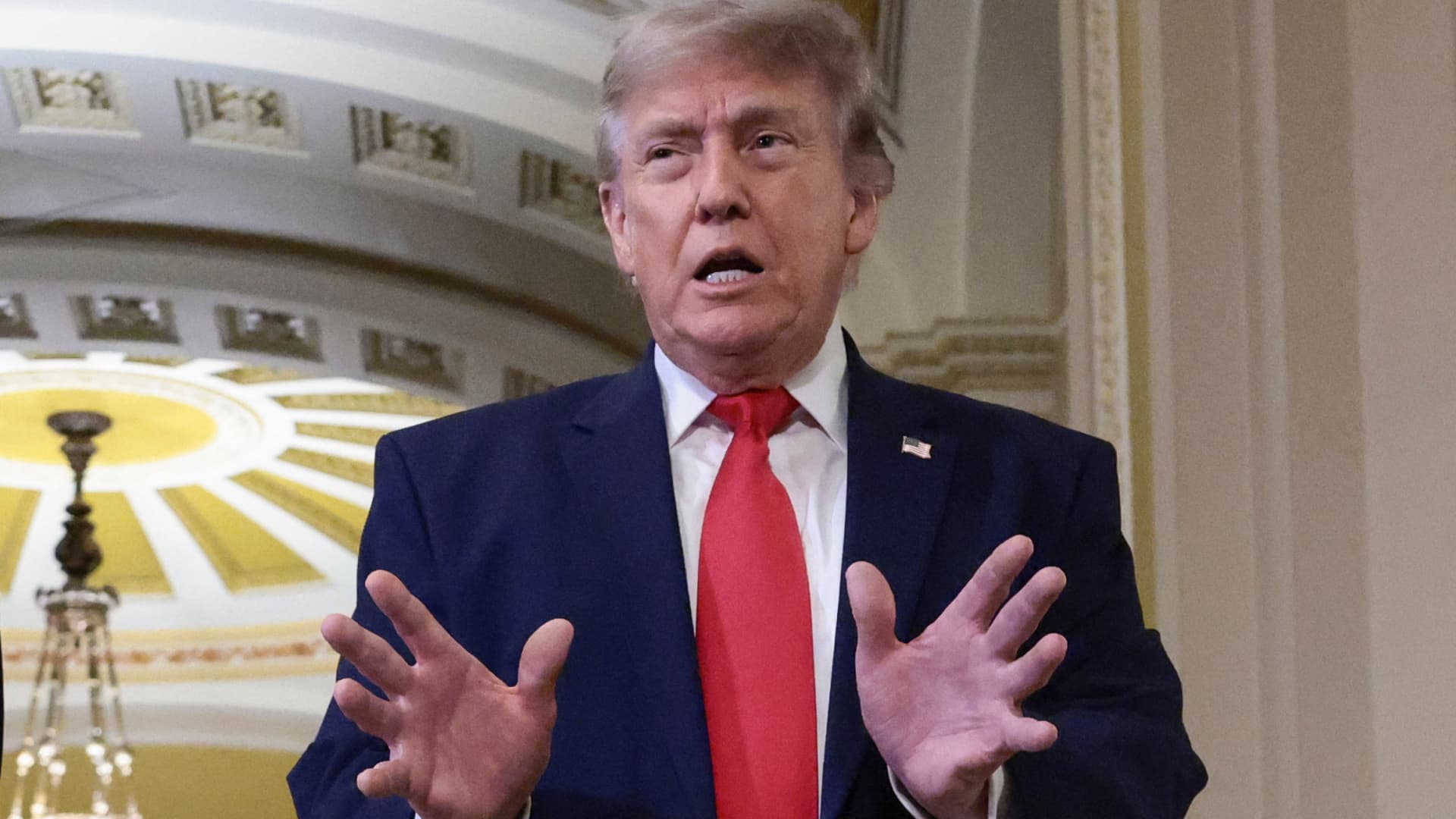
The White House has formally requested $87.6 billion in supplemental spending to fund military operations in Iran and provide agricultural assistance. Office of Management and Budget Director Russell Vought submitted the request to House Speaker Mike Johnson, according to a report by CNBC. The funding package aims to address immediate geopolitical military needs while also offering support to the domestic farming sector.
The request comes at a time of heightened geopolitical tension in the Middle East, which has triggered a sharp increase in global oil prices. This surge in energy costs has had a direct impact on US capital markets, particularly benefiting exploration and production firms. Antero Resources Corporation, an oil and natural gas company based in Denver, saw its shares rise as part of a broader rally in the US energy sector driven by the tightening supply outlook.
While the energy sector has seen gains, other areas of the market have experienced volatility. Shares of American International Group (AIG) have fallen amid concerns regarding leadership changes within the insurer. The divergent market movements highlight the complex economic environment in which this spending request is being made, with energy stocks buoyed by conflict-related supply fears while financial services firms face internal governance uncertainties.
The source material does not specify the exact breakdown of the $87.6 billion between the military operations in Iran and the farm aid components. It remains unclear how the House of Representatives will allocate these funds or whether Speaker Johnson has accepted, rejected, or amended the proposal. The legislative status of the supplemental spending bill is not detailed in the current reports.
Market participants are closely watching the intersection of fiscal policy and geopolitical risk. The rally in US exploration and production firms underscores the immediate financial implications of Middle East tensions, while the White House’s push for supplemental funding signals the administration’s prioritisation of military expenditure alongside domestic agricultural support. Investors will likely monitor further developments in Congress as the request moves through the legislative process.