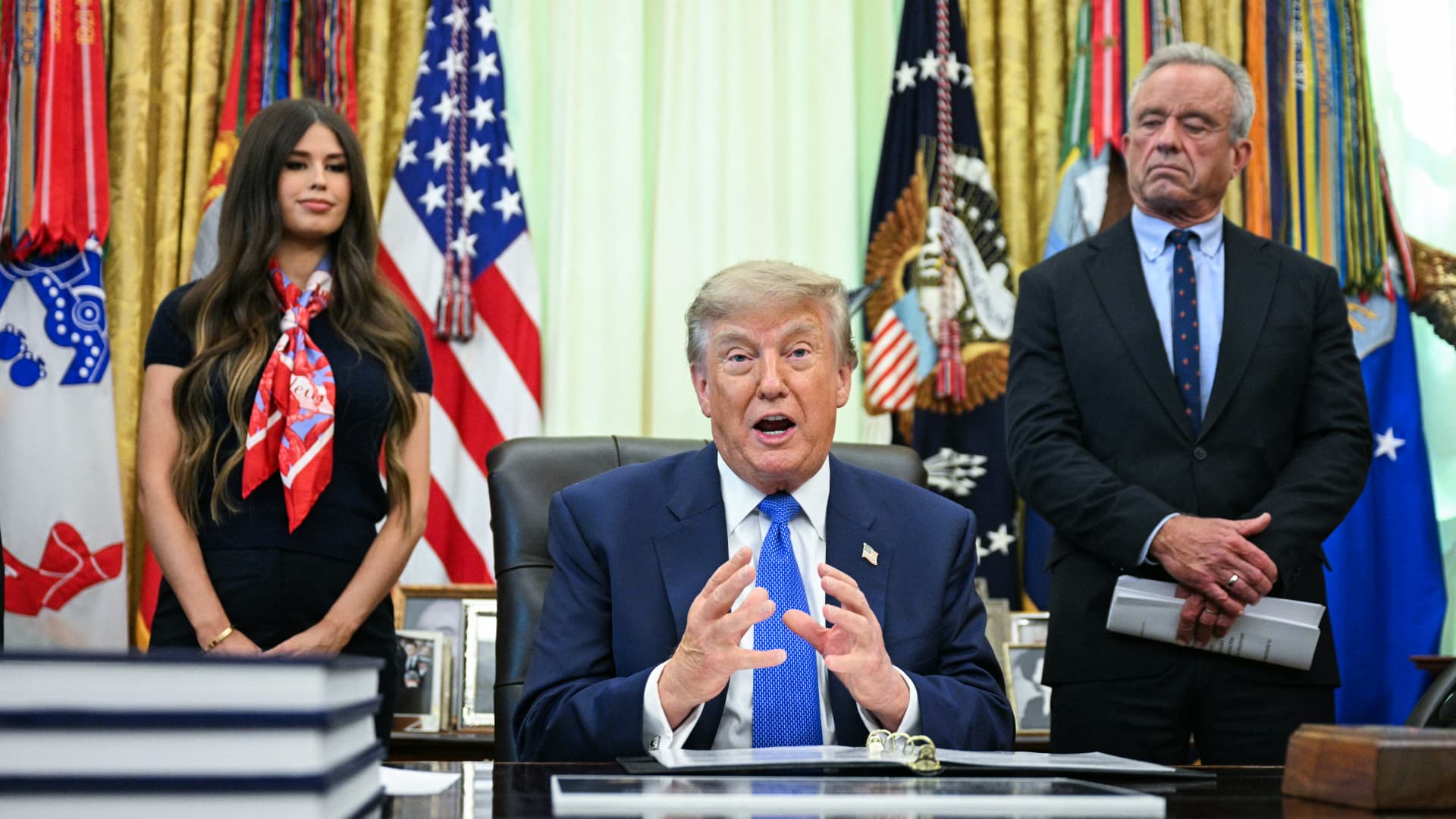
Trump asserts control of Hormuz, demands reparations as US-Iran tensions harden
US President claims total authority over the strategic waterway and seeks compensation following the downing of an Apache helicopter, marking a significant divergence from diplomatic overtures.
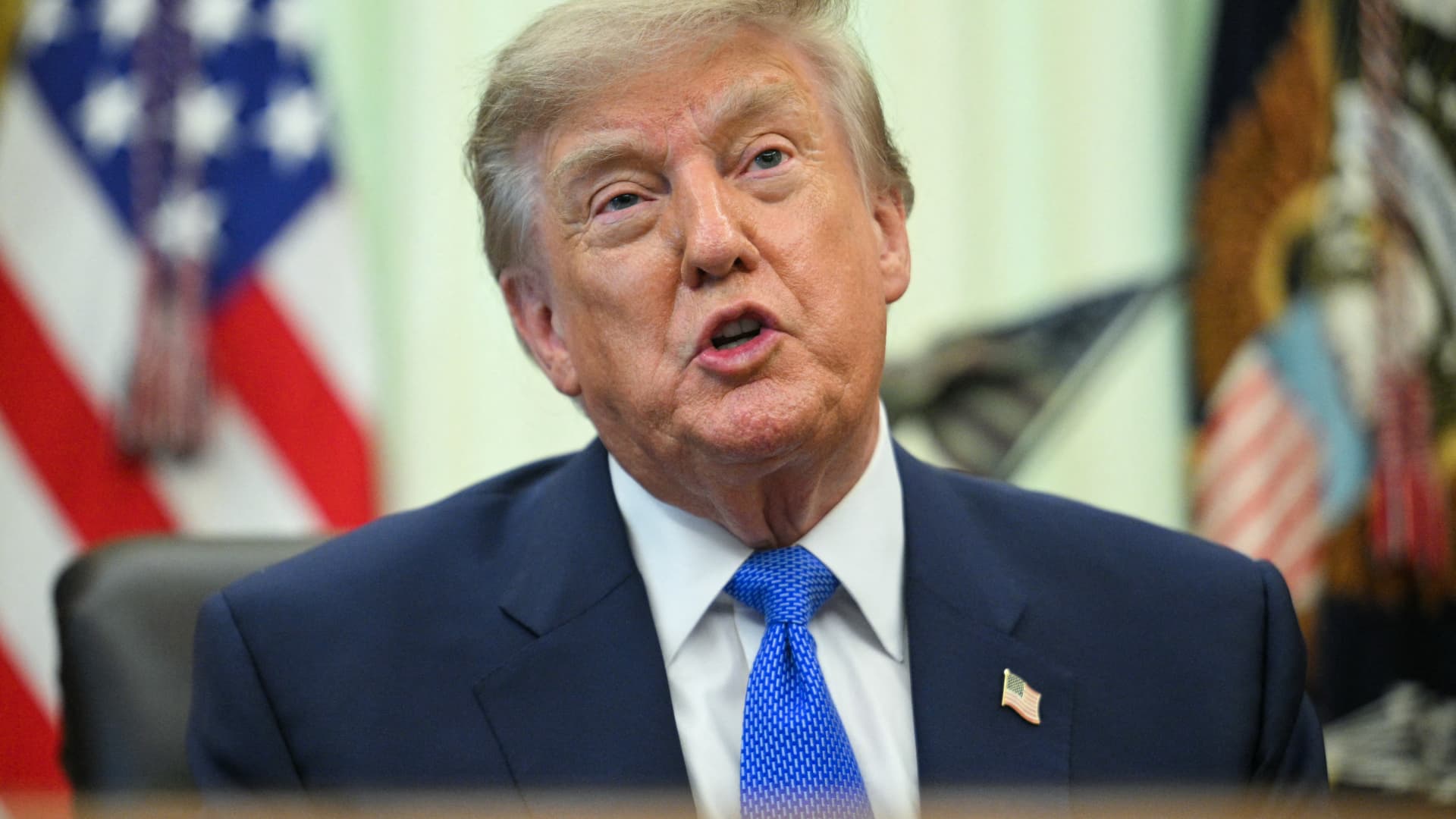
US President Donald Trump has claimed total control of the Strait of Hormuz and demanded that Iran pay reparations, a move that signals a sharp escalation in the standoff between Washington and Tehran. According to a report by CNBC, the dueling positions staked out by the two nations highlight how far apart they remain, even as both sides have expressed talk of winding down regional hostilities.
The immediate catalyst for this deepening crisis was Trump’s accusation that Iran shot down a US Army AH-64 Apache helicopter over the Strait on Monday night. Following the incident, the US President issued a statement on Tuesday accusing Tehran of the downing and vowing a necessary response. This assertion of control and the demand for reparations represent a hardening of the US stance, contrasting with earlier indications that negotiations to end the Middle East conflict were underway.
Prior to these developments, Trump had engaged in discussions with Chinese President Xi Jinping in Beijing. The talks covered a range of issues including trade, artificial intelligence, and security within the Strait of Hormuz. However, the subsequent military incident and Trump’s subsequent claims suggest that diplomatic channels may be struggling to contain the rising tensions in the region.
The claim of total control over the Strait is treated as a political assertion by the US President rather than an established military fact. The region remains a contested zone, and the extent to which the US actually exercises such control amidst ongoing military tensions and Iran’s stated capabilities is uncertain. Similarly, the specific nature and timeline of the reparations demanded by Washington have not been detailed.
Despite the rhetoric of de-escalation from both sides, the current trajectory points toward a more confrontational posture. The juxtaposition of talks about winding down hostilities with demands for reparations and claims of territorial control underscores a significant contradiction in the diplomatic stance of the involved parties. Investors and observers are now watching closely to see how this divergence will impact regional stability and global energy markets.