White House requests $87.6 billion in supplemental spending as Iran conflict deepens
President Donald Trump’s request for nearly $88 billion in extra funding, largely for military operations, follows a symbolic congressional resolution urging an end to hostilities without explicit legislative authorisation.
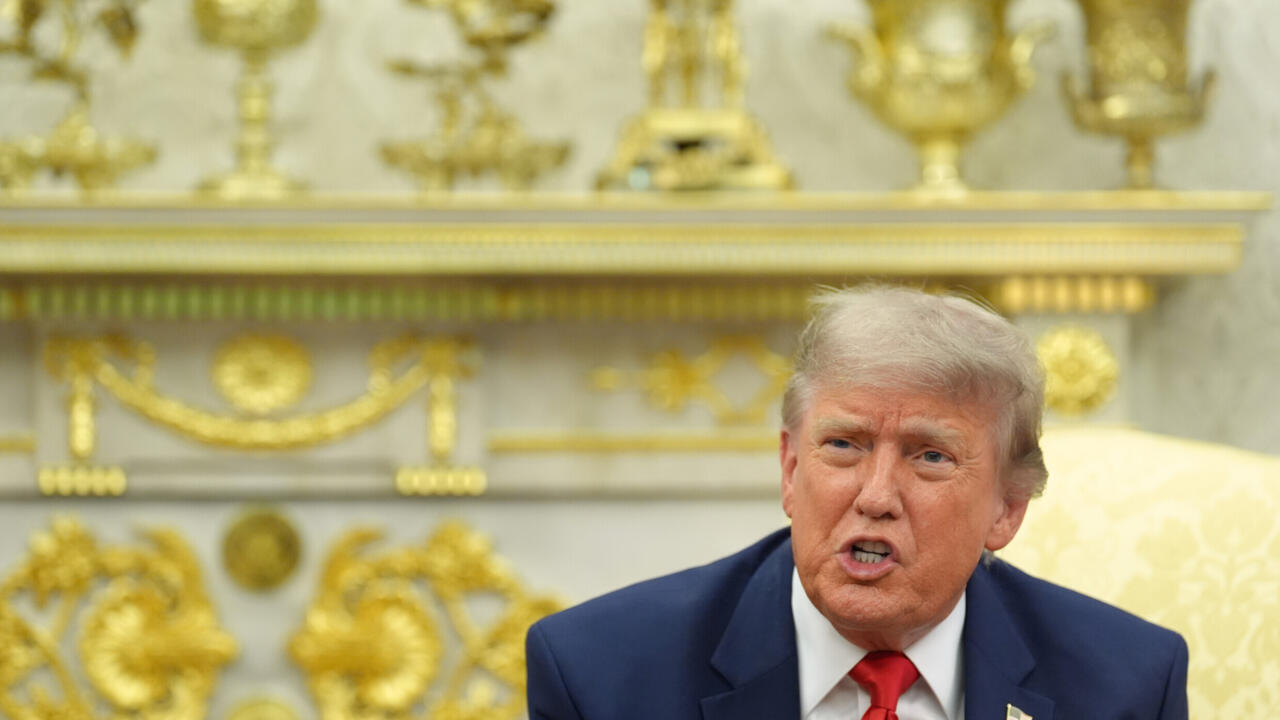
US President Donald Trump has formally requested $87.6 billion in supplemental spending from Congress, with the majority of the funds designated to cover the escalating costs of the ongoing war with Iran. The White House proposal, which includes substantial allocations for the Pentagon, also provides financial support for US farmers, Ebola response efforts in central Africa, and domestic infrastructure projects.
The request was submitted on Wednesday by Office of Management and Budget Director Russell Vought to House Speaker Mike Johnson, who was urged to take immediate legislative action. Approximately $67 billion of the total package is earmarked for the Department of Defense to sustain military operations, marking a significant financial commitment as the administration seeks to stabilise its position amidst growing political pressure.
The timing of the funding request coincides with heightened legislative scrutiny, arriving just one day after Congress passed a war powers resolution. This largely symbolic measure calls on the President to end hostilities with Iran unless lawmakers explicitly authorise military action, highlighting the complex relationship between the executive branch and Congress regarding the use of force.
The vote on the resolution exposed significant divisions within the Republican Party, challenging the administration’s legislative agenda. Senators Lisa Murkowski, Susan Collins, Bill Cassidy, and Rand Paul crossed party lines to support the measure, while two other senators did not vote on the issue. This internal rift underscores the growing unease within both major political parties regarding the conflict and its political cost.
Simultaneously, the Trump administration is pursuing diplomatic channels to finalise a settlement with Tehran, attempting to convert a preliminary agreement into a definitive accord. US Secretary of State Marco Rubio has been active in the region, meeting with leaders in Kuwait and the United Arab Emirates to pledge that the United States remains completely aligned with Gulf allies on security and navigation rights.
The months-long conflict has had profound economic repercussions, significantly disrupting global energy markets and driving up prices. As the administration navigates these diplomatic efforts and domestic political challenges, the requested supplemental funding represents a critical juncture in sustaining military operations while seeking a political resolution to the crisis.