White House college sports reform plan dismissed as 'fan fiction' amid structural critique
A White House committee’s discussion paper on college athletics has drawn sharp rebuke from industry observers who argue the measures ignore core governance issues and serve specific conference interests.
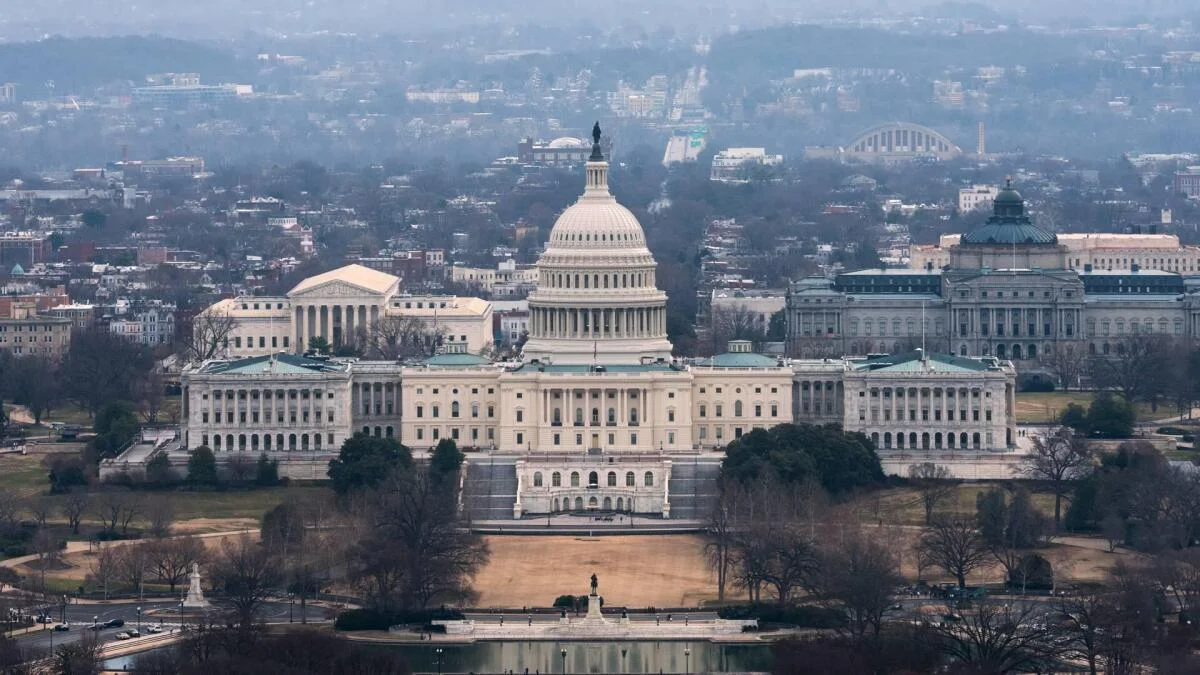
A White House committee tasked with reforming college sports has released a set of proposals that have been widely characterised as disconnected from the practical realities of the industry. The committee, which includes NBA Commissioner Adam Silver, issued a blog post last weekend outlining ideas for discussion, including a salary cap for coaches, a "Bird Rights" system for player retention, a Group of Six playoff structure, and the pooling of media rights.
Critics have described the output as "government-sponsored college football fan fiction," arguing that the measures fail to address fundamental structural issues such as eligibility rules and antitrust exemptions. The source material suggests that the proposals may be counterproductive, potentially driven by the interests of specific conferences rather than the broader ecosystem of collegiate athletics.
The proposal for a coach salary cap has drawn particular scrutiny regarding enforcement and unintended consequences. Concerns have been raised about potential loopholes, such as side deals for radio appearances, and the risk of a "brain drain" to the NFL, where salaries are not capped. Detractors argue that strict enforcement could push top talent away from the college game, undermining the competitive balance the reforms aim to preserve.
Similarly, the "Bird Rights" system, designed to allow teams to exceed salary caps to retain existing players, has been criticised for potentially reducing parity. While the system is intended to help smaller-market teams keep star players, critics note that the recent rise of Name, Image, and Likeness (NIL) deals and the transfer portal has already levelled the playing field. Allowing wealthy programmes to bypass caps could reverse this progress, entrenching the dominance of established blue-blood institutions.
Other proposals, such as pooling media rights and creating a Group of Six playoff, have been met with scepticism regarding their necessity and motivation. The media rights pooling idea is viewed as ironic given that exploding television deals are seen as part of the problem, with noted support from figures like Texas Tech booster Cody Campbell and American Conference commissioner Tim Pernetti. Meanwhile, the Group of Six playoff proposal has been questioned on logistical grounds, with speculation that it serves to protect revenue shares for Power Four representation rather than genuinely reducing travel burdens.
The source material concludes that the committee’s efforts miss the mark on the two most critical needs: clear eligibility rules, such as a five-year window to play five seasons, and an antitrust exemption to allow for enforceable contracts with transfer fees similar to those in professional soccer. Without these foundational changes, the proposed reforms are seen as failing to provide a viable path forward for the sport.