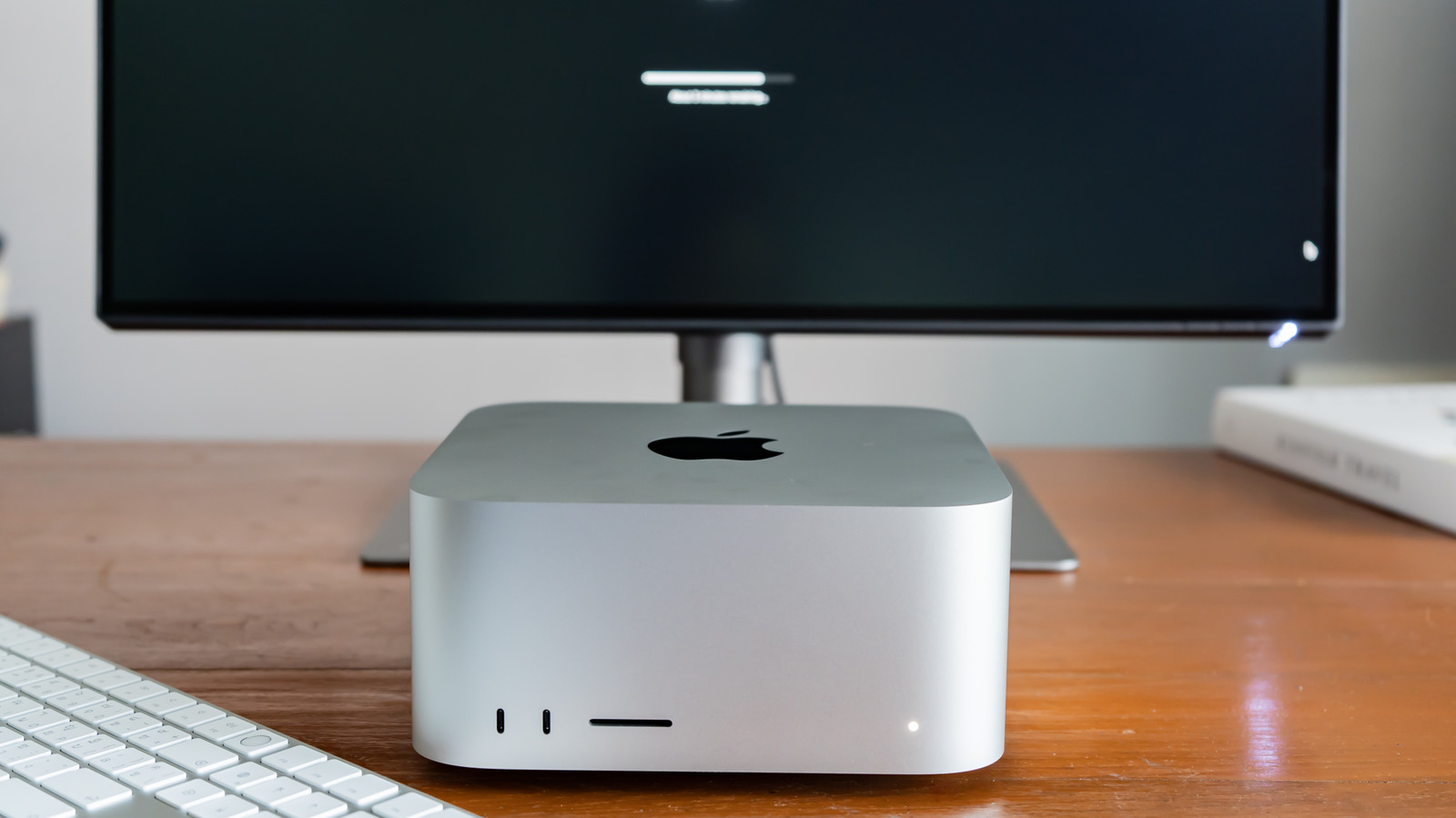
When does a sound system need a separate amplifier?
Engadget’s guide says many speakers and receivers already provide amplification, making a standalone unit a question of system requirements.
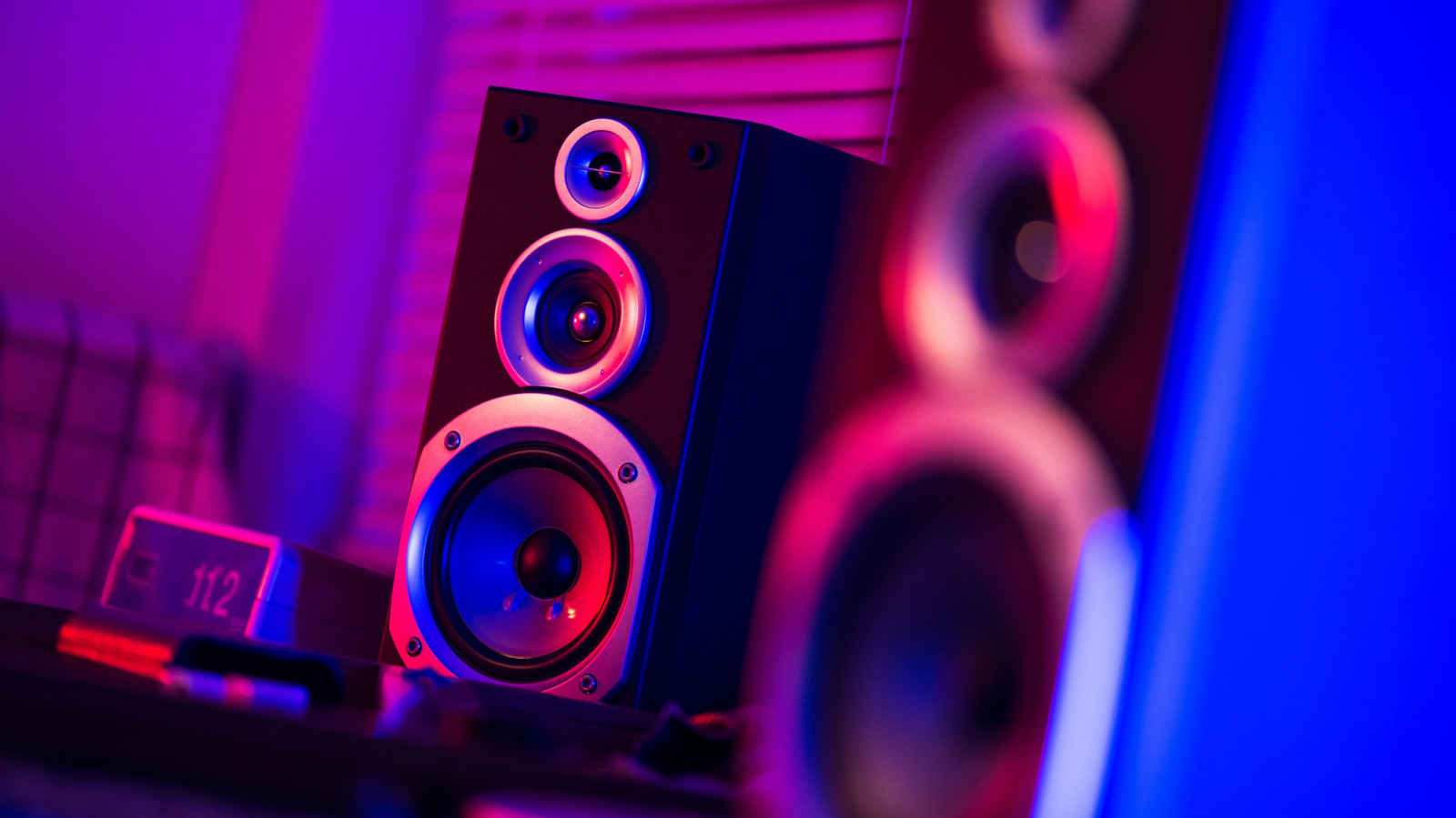
Amplifiers strengthen audio signals so speakers can reproduce sound at useful levels. They can also provide gain and equalisation controls. But buying one separately is not an automatic step when upgrading a sound system, Engadget says.
Many active speakers have amplification built in, while receivers often combine amplifier and preamp functions. Passive speakers need an external power source, though a receiver may already provide it. A separate amplifier may be warranted if a system exceeds the receiver’s power or channel capacity.
Engadget advises matching an amplifier’s power and impedance specifications to the speakers. Incorrect gain or equaliser settings can also contribute to clipping, distortion or hardware damage.
For most home theatre systems, the article recommends solid-state amplifiers. Its guidance is that tube models are typically less suited to surround sound and require more maintenance.
A standalone amplifier may not be the most effective upgrade. Engadget suggests better speakers or room adjustments, such as reducing rattling and reverb or repositioning speakers, can improve a system at lower cost. The right choice depends on the equipment and room.