West Bengal markets empty as BJP enforces cattle slaughter laws ahead of Eid
Traders report a climate of fear and significant financial losses as new Chief Minister Suvendu Adhikari orders strict implementation of the 1950 cattle protection act, disrupting traditional Eid al-Adha preparations.
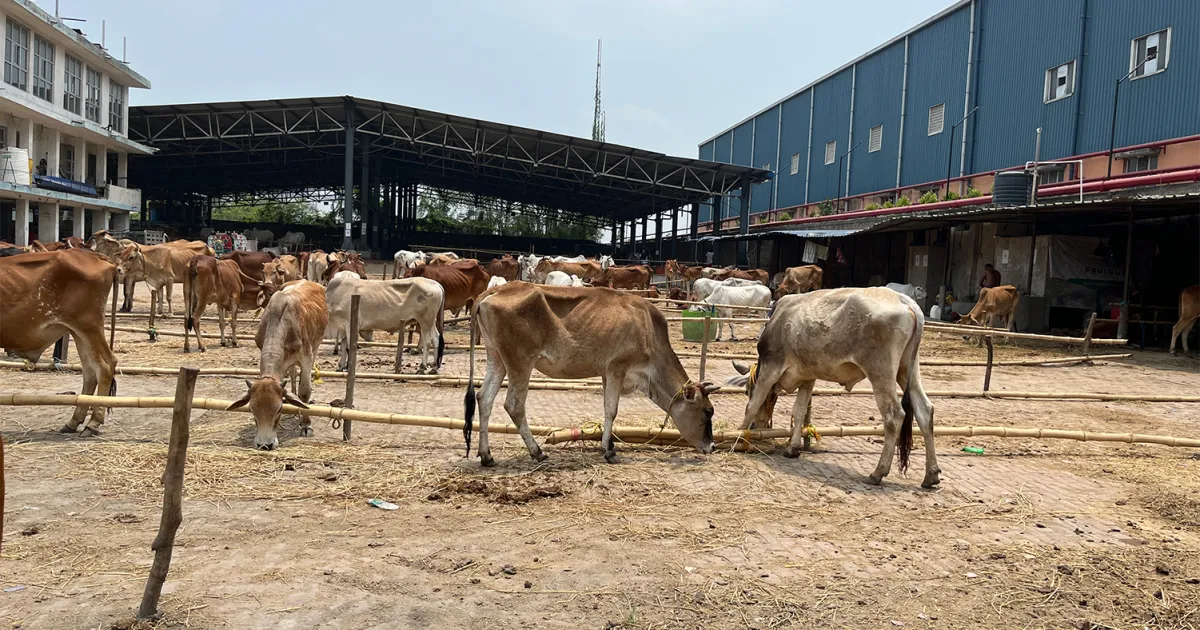
The Dhulagarh cattle market, a traditional hub for livestock trade on the outskirts of Kolkata, has become largely deserted less than a week before Eid al-Adha. Traders report a pervasive climate of fear following the Bharatiya Janata Party’s (BJP) first electoral victory in West Bengal on May 6. The political transition has precipitated a sharp regulatory crackdown, with new Chief Minister Suvendu Adhikari ordering the strict enforcement of a 1950 law that prohibits cattle slaughter without government certification.
Under the newly enforced regulations, any cattle intended for slaughter must be certified as fit by a government official, be at least 14 years of age, and be processed only in designated municipal slaughterhouses. This marks a significant departure from the previous administration, which was dominated by Marxist or centrist forces that historically did not strictly implement the prohibition. The change has disrupted a long-standing cultural and economic practice in the state, where nearly 27 per cent of the population is Muslim and ritual sacrifice is a central component of the festival.
The economic impact has been immediate and severe. Live cow prices have plummeted from 400 rupees ($5) per kilogram to as low as 150 rupees ($1.70). Hindu cattle traders, who typically supply the market, report heavy losses, with some estimating a loss of 5,000 rupees for every unsold animal. Many have taken out high-interest loans to purchase stock, only to face a collapse in demand. Muslim meat sellers and Hindu traders alike have reported closing businesses or suffering significant financial damage due to the sudden drop in sales and increased police scrutiny.
Beyond the cattle trade, the regulatory environment has extended to other aspects of daily life. Residents in Muslim neighbourhoods across Kolkata, including Mullick Bazaar and Park Circus, report being ordered by newly elected BJP legislators to cease offering street prayers, known as namaz. This restriction has further disrupted traditional preparations, leading to empty streets and closed shops in areas that are usually bustling with activity. A local restaurant, The Burger Shop, announced it had paused its beef burger offerings after its vendor was called to a police station and told to temporarily shut down.
Legal experts and activists argue that the enforcement of these laws extends beyond animal welfare. Jayasimha Nuggehalli, a lawyer and former member of the Animal Welfare Board of India, noted that such regulations are often linked to issues of identity and rural livelihoods rather than comprehensive welfare policy. Meanwhile, activist Harsh Mander described the BJP’s actions as part of an ideological project aimed at reshaping citizenship, suggesting that the current measures reflect a broader trend of political contestation over cattle and meat regulation in India.