West Bengal government launches targeted deportation drive, sparking diplomatic friction
Chief Minister Suvendu Adhikari reports nearly 5,000 deportations as rights groups condemn the lack of due process and religiously selective enforcement.
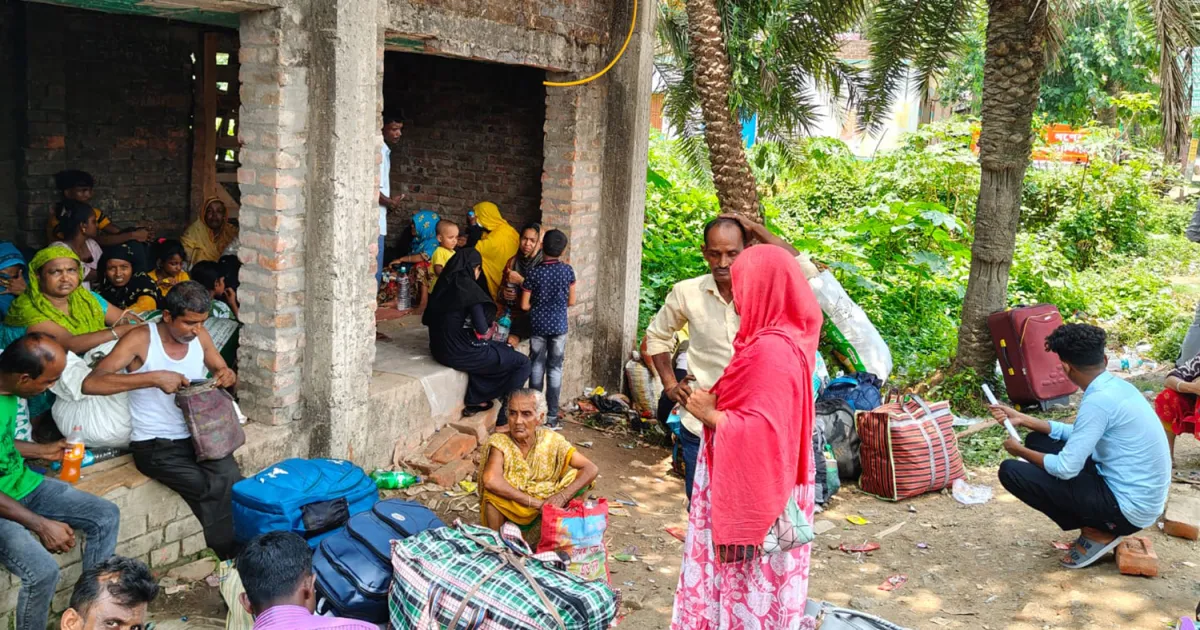
The Bharatiya Janata Party (BJP) government in West Bengal has initiated a comprehensive crackdown on undocumented Muslim migrants from Bangladesh, ordering their detention and subsequent deportation. Chief Minister Suvendu Adhikari confirmed that nearly 5,000 individuals have been removed from the state, with 836 currently held in designated holding centres across all districts. The policy, implemented shortly after the BJP’s electoral victory in the state, specifically targets Muslim migrants while exempting Hindus and those of other faiths, citing a constitutional amendment that imposes a religious test on asylum seekers.
Authorities are bypassing standard judicial procedures, placing the onus on detainees to prove why they should not be sent back to Bangladesh. West Bengal’s Chief Minister Adhikari clarified that individuals will not be taken to court before deportation. This approach follows a December 2025 Supreme Court declaration that foreign nationals possess almost no rights under the Indian constitution. Consequently, security forces are rounding up migrants and driving them to the border to be pushed back, or detaining them in centres where biometric details are recorded for a digital registry.
The move has triggered significant diplomatic tensions with Bangladesh, which has called for adherence to established verification procedures. Foreign Affairs Adviser Shama Obaid stated that Dhaka has sent 12 to 13 letters to New Delhi regarding the issue, warning that the crackdown could strain bilateral relations. The Border Guard Bangladesh (BGB) reported thwarting at least 18 attempts by India’s Border Security Force (BSF) to push approximately 180 migrants across the border since June 4. In response, the BSF and BGB began three-day talks on Monday to address the deportations.
India’s foreign ministry spokesperson Randhir Jaiswal defended the actions, stating that New Delhi has shared details of more than 2,800 suspected Bangladeshis with Dhaka for nationality verification. He noted that these requests remain pending with the Bangladeshi side and affirmed that a bilateral mechanism is in place to deal with illegal foreign nationals. However, rights groups have condemned the deportations as illegal and unethical. Human Rights Watch Asia director Elaine Pearson expressed deep concern over the lack of legal representation for detainees, while activist Teesta Setalvad accused authorities of acting on a preconceived agenda and randomly detaining individuals.
The crackdown has intensified religious tensions in West Bengal, where Muslims comprise 27 percent of the population. Critics argue the policy aligns with the BJP’s broader strategy of marginalising India’s Muslim community. At border checkpoints like Hakimpur, migrants describe arriving in search of livelihoods only to face harassment and forced removal. As the state government establishes its enforcement framework, the situation remains volatile, with hundreds of migrants awaiting deportation and diplomatic channels working to manage the fallout.