West Bengal deportation drive tests BJP’s border policy amid diplomatic friction
The ruling Bharatiya Janata Party’s first major implementation of its “detect, delete and deport” pledge in West Bengal has triggered objections from Dhaka and domestic critics over the verification of citizenship status.
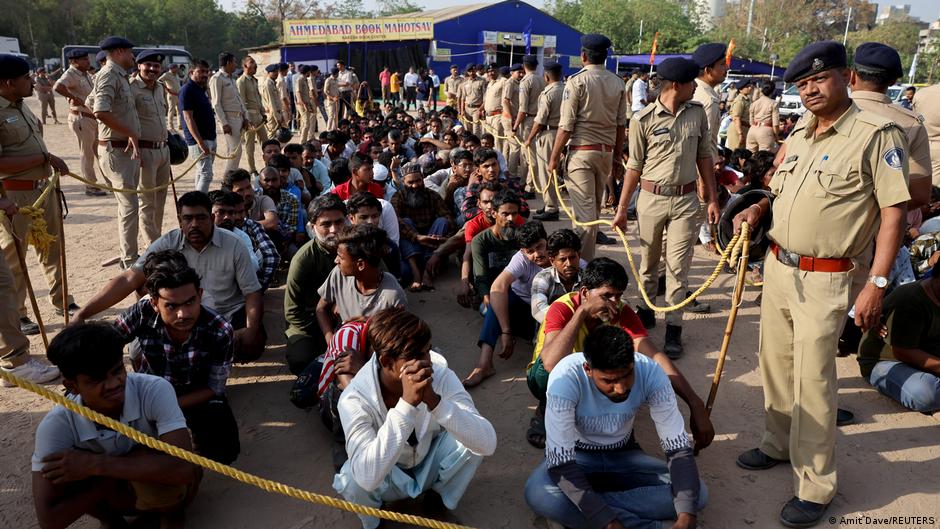
The reported deportation of approximately 4,800 undocumented Bangladeshi nationals from India’s West Bengal state marks the first significant test of the ruling Bharatiya Janata Party’s (BJP) election promise to “detect, delete and deport” following its landslide victory in the state last month. West Bengal Chief Minister Suvendu Adhikari confirmed that around 4,800 people have been sent across the border, with an additional 836 individuals remaining in custody pending further verification.
The operation fulfils a central campaign pledge for the BJP, which has long argued that unchecked migration from neighbouring Bangladesh has altered demographics, distorted electoral rolls, and strained welfare resources. India’s Home Minister Amit Shah stated that the government intends to make the Bangladesh border “impenetrable” to prevent what he described as a conspiracy to change the country’s demography. Shah emphasised that the state would not only stop infiltration but also identify and remove every individual deemed an infiltrator.
However, the move has strained ties with Bangladesh, which has formally objected to the pushbacks. Last month, Bangladesh’s Foreign Ministry issued a complaint describing the repatriations as “unacceptable,” insisting that the Indian government only accept individuals confirmed as Bangladeshi citizens through proper channels. Dhaka argues that the current process bypasses necessary verification steps, raising concerns that people are being returned without conclusive proof of nationality.
Domestic opposition and human rights groups have warned that the lack of due process risks the wrongful expulsion of Indian citizens, particularly Bengali-speaking Muslims. TMC lawmaker Sagarika Ghose criticised the approach, stating that deportations cannot be hostage to communal politics and that proper legal procedures must be followed. Human rights activist Harsh Mander highlighted that when the burden of proving citizenship falls on marginalised communities, the risk of serious injustice rises sharply.
The debate in West Bengal has evolved from a discussion on illegal immigration to a broader dispute over citizenship, identity, and state responsibility. While many BJP supporters view the crackdown as evidence of government delivery, critics argue that treating deportations as a public spectacle rather than a coordinated diplomatic process undermines bilateral trust. Bangladesh expert Sreeradha Datta noted that a cooperative solution would require closer work with Dhaka on verification and repatriation.
For the BJP, the drive demonstrates resolve on an issue that has historically delivered political dividends, particularly in border districts where the party accuses the previous All India Trinamool Congress government of turning a blind eye to migration for electoral gain. With more than half of India’s 4,000-kilometre border with Bangladesh running through West Bengal, the state now represents the last major stretch of the border under BJP control, offering the party an opportunity to translate long-standing rhetoric into policy.
As holding centres are established for undocumented Bangladeshis and ethnic minority Rohingyas, the uncertainty among long-term residents remains palpable. Nasreen Begum, a homemaker in North 24 Parganas district, expressed anxiety among locals who fear they may one day have to prove their citizenship despite generations of residence. The outcome of this operation will likely define the limits of the BJP’s border strategy and its capacity to manage complex bilateral relations.