West Bengal beef supplies tighten as slaughter rules and licences disrupt trade
Stricter enforcement, an inactive Kolkata slaughterhouse and unresolved trader licences have reduced supplies, raised prices and pushed some restaurants and households towards alternatives.
Beef supplies have reportedly declined across West Bengal since May, after the Bharatiya Janata Party (BJP) came to power in the state and enforcement of existing cattle-slaughter rules tightened. The disruption has affected traders, restaurants and households, although the available reporting does not establish that the BJP government alone caused the shortage.
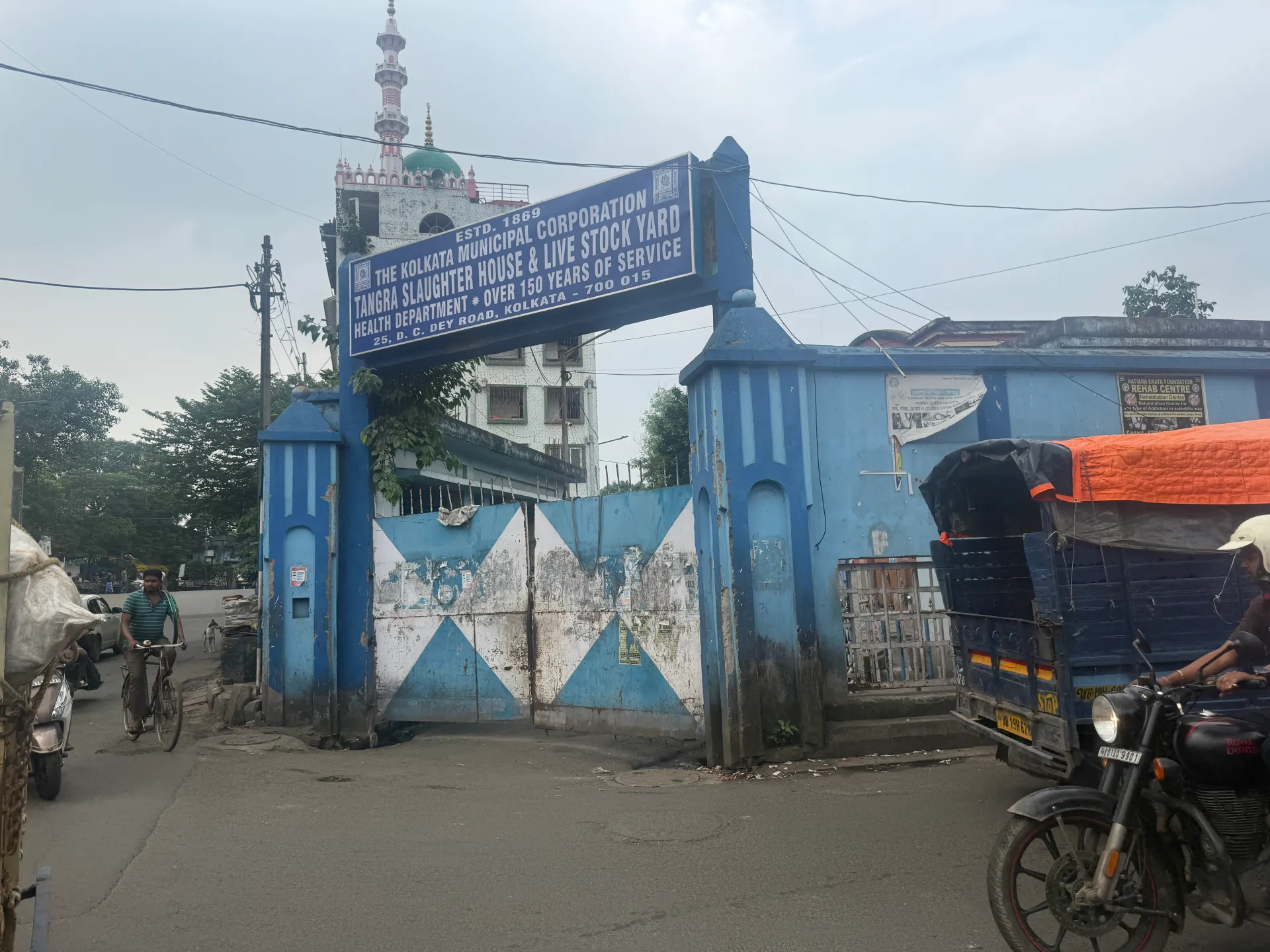
Kolkata’s Tangra municipal slaughterhouse has been largely inactive since May, despite officials saying it has not formally closed. West Bengal law requires specified cattle to receive fitness certificates before slaughter and limits slaughter to authorised facilities. The conditions include age, incapacity or unsuitability for work or breeding.
A second administrative bottleneck has affected meat suppliers in Kolkata. Renewals of trader licences have reportedly remained unresolved since the municipal corporation was dissolved in June. Officials from the Kolkata Municipal Corporation and the state’s Animal Resources Development Department gave conflicting accounts of which authority was responsible for the slaughterhouse, licences and fitness certificates.
Traders and restaurants report higher prices, inconsistent supplies and declining quality. Beef shops in Kolkata’s Park Circus reportedly recorded losses of 30 to 40 per cent, while Zam Zam removed beef dishes from its three branches and reported continuing losses. Olypub has retained its steak on the menu but says it is available only when supplies allow.
Some households have reduced beef consumption or switched to vegetables, fish, chicken and other cheaper foods. Residents in Baruipur reported shortages and higher weekly food costs, while accounts from Malda described informal supply networks operating amid fears of being caught handling beef.
West Bengal has historically been among India’s higher beef- and buffalo-meat-consuming states, with consumption reported among Muslim, Christian, Dalit and Indigenous communities. The source describes a tightening regulatory and administrative environment, rather than a statewide ban on beef.