Weather protocols halt France-Iraq World Cup fixture in Philadelphia
Severe thunderstorms force evacuation of the stadium during the Group I clash, testing the operational resilience of the 2026 FIFA World Cup host nation’s safety frameworks.
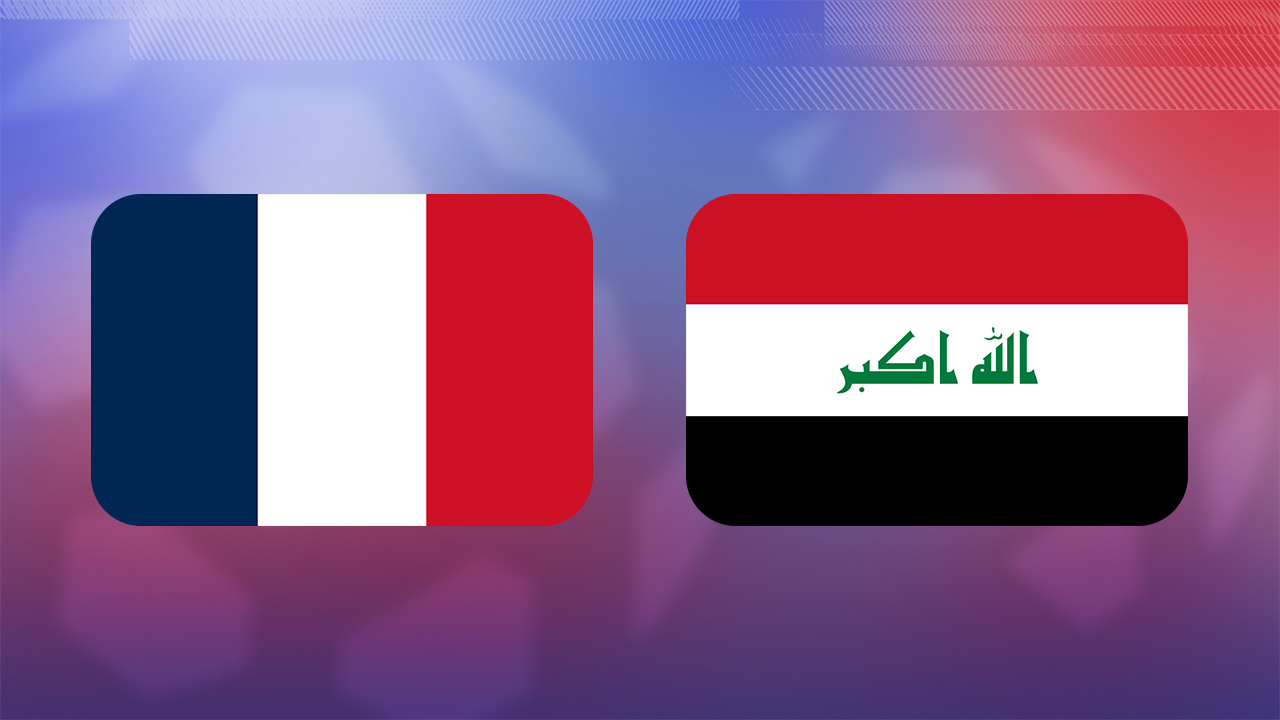
The France versus Iraq fixture at the 2026 FIFA World Cup in Philadelphia was suspended and the stadium evacuated following the detection of severe thunderstorms and lightning. The incident, which occurred on 22 June 2026, highlights the operational challenges posed by extreme weather events in host nations with strict safety mandates.
Lightning was first detected at 18:36 local time, prompting immediate action by stadium officials. Under United States safety regulations, play could not resume until a 30-minute window had elapsed without any lightning being detected within a 13-kilometre radius of the venue. This regulatory framework is designed to mitigate the risk of electrocution and ensure the safety of players, officials, and spectators.
During the delay, fans were relocated to covered areas and stadium concourses as precautionary measures. The suspension disrupted the flow of the Group I match, where France entered as supreme favourites seeking to cement their status among the tournament’s elite. The French side, managed by Didier Deschamps, had previously secured their place in the last 32 with a 3-1 victory over Senegal.
Iraq faced a more precarious position, having opened their Group I campaign with a defeat. The visitors required points to remain competitive in the group stage, making the weather-induced interruption a significant logistical disruption to their tournament trajectory. The match eventually resumed as daylight returned and the mandatory safety countdown concluded, though the final outcome of the fixture was not detailed in the immediate reports.
The event underscores the intersection of sporting logistics and public safety governance. With the World Cup hosted across the United States, adherence to local safety regulations is paramount. The suspension served as a practical application of these protocols, prioritising risk management over the continuity of play, a standard practice in North American sporting venues during severe weather events.