Waymo unveils custom 5nm chip to power next-generation robotaxis
The autonomous vehicle firm has developed in-house silicon to process data from its Ojai robotaxi, a move aimed at reducing costs and improving efficiency in dense urban environments.
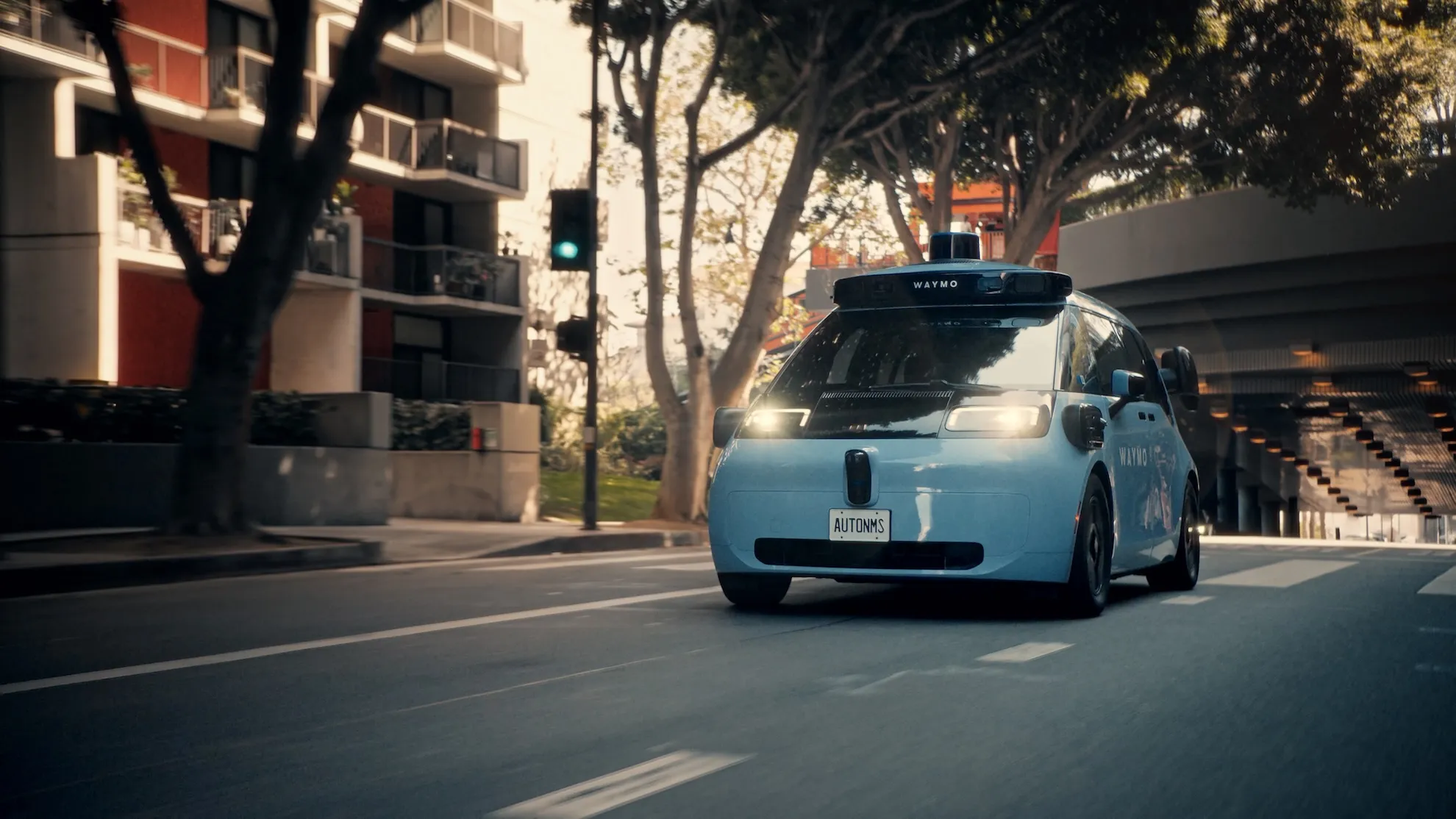
Waymo has revealed the development of a custom 5nm ASIC chip designed to handle the massive influx of raw data generated by its sixth-generation self-driving system. The silicon is a critical component of the Ojai robotaxi, which is now open to all riders in Los Angeles, Phoenix, and San Francisco. By processing data before it reaches the core self-driving system, the chip aims to enable efficient operation in complex, high-density urban settings.
The new chip delivers more than 1,000 TOPS of computing performance, a figure that places it in the same performance range as Nvidia’s DRIVE AGX Thor processor. This capability is essential for the Ojai vehicle, which is equipped with 13 high-fidelity cameras. Waymo stated that the system offers unmatched efficiency and performance, allowing the vehicle to react quickly and safely in challenging city conditions.
The move highlights the company’s increasing vertical integration as it seeks to turn a profit. Waymo has repeatedly emphasised that the next-generation Ojai vehicle is cheaper to build, operate, and maintain than previous models. While specific cost savings have not been quantified, the reduction in operational expenses is a key factor in the company’s long-term financial strategy.
The development was not achieved in isolation. Waymo listed a range of compute partners, including AMD, Micron, Nvidia, Samsung, Sandisk, Socionext, and TSMC. The involvement of these firms underscores the collaborative nature of the autonomous vehicle supply chain, even as Waymo takes control of key in-house components.
According to TechCrunch, the announcement comes as Waymo continues its rapid expansion. The company has been arriving in new cities or expanding within existing service areas with increasing frequency. The custom chip is intended to support this growth by ensuring the underlying technology can scale without compromising safety or efficiency.
The Ojai robotaxi represents a significant step in Waymo’s evolution from a service provider to a technology developer. By integrating custom silicon into its fleet, the company is positioning itself to compete more effectively in the emerging autonomous driving market. Investors will be watching closely to see if these hardware improvements translate into the cost efficiencies required for profitability.