Waymo opens next-generation Ojai robotaxi to all riders in three US cities
The Alphabet-backed autonomous vehicle unit has expanded access to its cost-effective Zeekr-built fleet in Los Angeles, Phoenix, and San Francisco, targeting 5,000 units by year-end despite tariff headwinds.
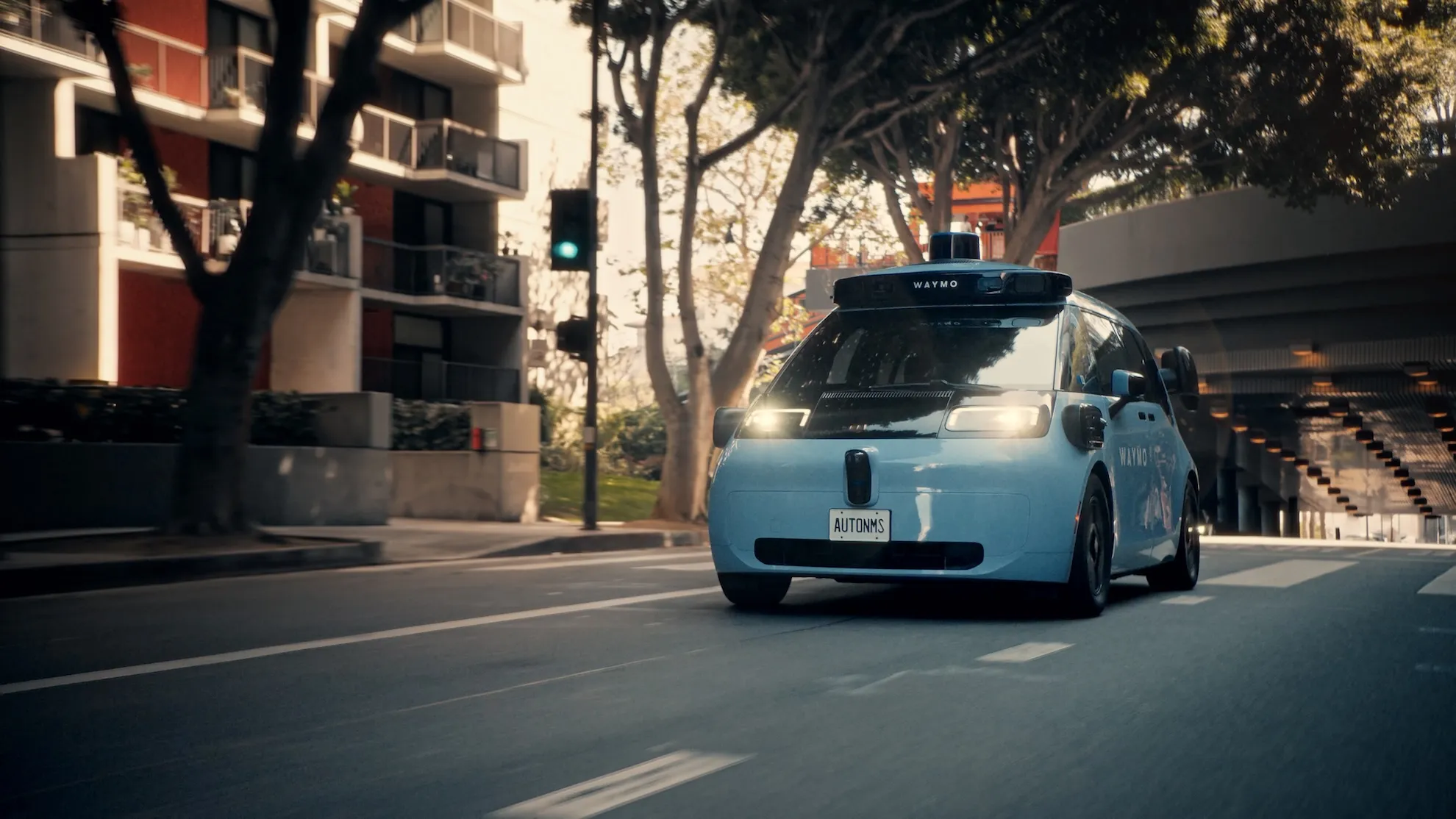
Waymo has made its next-generation robotaxi, the Ojai, available to all riders in Los Angeles, Phoenix, and San Francisco. This expansion marks a significant milestone for the Alphabet subsidiary as it seeks to scale its autonomous fleet using vehicles that are cheaper to build, operate, and maintain than its previous models. Currently, customers in these three markets may be matched with the Ojai when hailing a ride. Once the fleet size increases, riders will have the option to choose between the new vehicle and the older Jaguar I-Pace robotaxi.
The Ojai is central to Waymo’s push toward mass scale and profitability. For years, the company has relied on the modified Jaguar I-Pace, which now operates in 11 US cities. While the white, sensor-laden hatchback has become ubiquitous in markets such as San Francisco, it has served primarily as a stopgap. The Ojai is designed to be a more durable and cost-effective solution, capable of withstanding near-constant use while remaining attractive and accessible to riders.
Technologically, the Ojai is equipped with Waymo’s sixth-generation self-driving system, a modular platform designed to work across multiple vehicle types. The vehicle also features a redesigned user interface and Google’s Gemini AI, which functions as an in-car assistant. Under the hood, the Ojai is a minivan manufactured by Zeekr, a brand owned by China’s Geely Holding Group. Waymo partnered with Zeekr in 2021 to develop the vehicle, which is built on Zeekr’s SEA-M platform, an architecture designed for autonomous and delivery vehicles.
Despite the strategic advantages of the new vehicle, US trade policy presents financial challenges. Vehicles built in China face steep import tariffs, which increase Waymo’s costs for every Ojai brought into the country. To mitigate some regulatory and technical issues, the base Zeekr vehicles ship without Chinese connected-car technology. Upon arrival in the United States, they are sent to Waymo’s factory in Arizona, where they are outfitted with the self-driving system.
According to a company spokesperson, Waymo currently operates approximately 300 Ojai robotaxis in its commercial fleet. The company has announced plans to roll out the Ojai in Denver, Las Vegas, and San Diego later in 2026. New York-based research firm MoffettNathanson, which tracks Ojai imports through detailed shipping receipts, reports that Waymo is on pace to bring 5,000 Ojai vehicles to the United States by the end of 2026. This target would more than double the size of Waymo’s current Jaguar fleet.
The pace of expansion has been rapid, with 725 Ojai vehicles entering the country in July alone. This surge underscores the scale of Waymo’s efforts to transition from a pilot program to a large-scale commercial operation. As the company navigates tariff costs and logistical challenges, the Ojai represents a critical step in its long-term strategy to achieve sustainable profitability in the autonomous vehicle market.