Watford dismiss head coach Ed Still amid structural crisis and poor league finish
Owner Gino Pozzo confirms the end of the season is required to reset the organisation after five successive defeats.
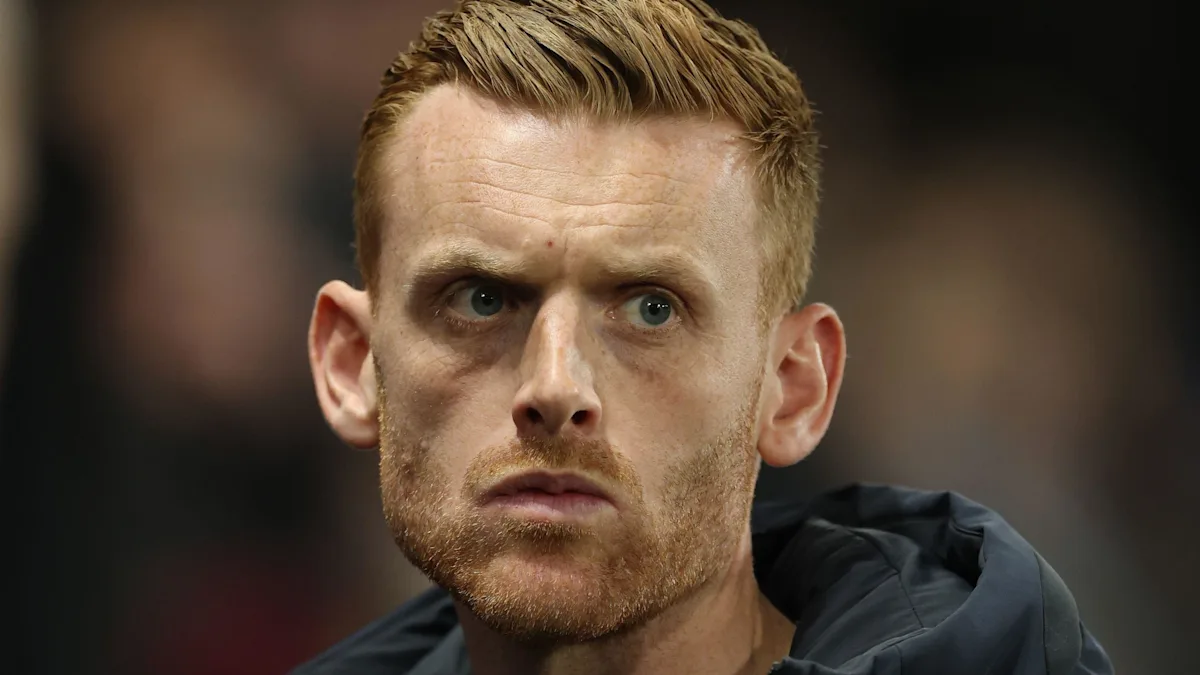
Watford have parted company with head coach Ed Still following a turbulent tenure that concluded with the club finishing 16th in the table. The dismissal marks the departure of the 35-year-old Belgian, who was appointed on 9 February on a two-and-a-half-year contract after the resignation of predecessor Javi Gracia.
Despite entering the season with the Hornets positioned 11th in the table, just three points outside the play-off places, the team managed only three wins from 15 league games under Still's guidance. The final result saw the club finish 16 points adrift of the top six and only 10 clear of the relegation zone, failing to meet the strategic objectives set at the start of the campaign.
The relationship between the coaching staff and the club deteriorated significantly towards the end of the season, culminating in a disastrous run of form. Still's final match as boss was a 4-0 defeat to Coventry, which saw the club concede 16 goals and score just one across five successive losses. This abject performance highlighted a lack of tactical structure and game-plan that had become evident in the results over the previous two months.
Owner Gino Pozzo has indicated that the conclusion of the season is necessary to allow the organisation to reset and reshape its approach. In a statement released this morning, the club confirmed that first-team coach Karim Belhocine had also departed alongside Still, wishing them well in their future endeavours. The club is now set to begin a search for a new head coach, a role that has changed hands 15 times since September 2019, excluding interim bosses.
The appointment of Still represents the 12th head coach the club has engaged since the end of the 2020-21 season, reflecting a broader pattern of frequent managerial changes. While the owner has emphasised the need for a fresh start from the summer, the rapid succession of leadership changes continues to define the club's recent history. As the search for a new manager commences, the focus will remain on stabilising the institution and addressing the structural issues that have hampered the team's progress.