Washington talks stall as Israel defies ceasefire terms and Iran demands withdrawal
Diplomatic efforts mediated by Qatar and Pakistan have established a de-confliction cell, but hardline Israeli positions and Hezbollah’s rejection of talks threaten to derail the fragile regional security architecture.
The United States has announced a new round of high-stakes talks between Israel and Lebanon to be held in Washington, DC, from Tuesday to Thursday this week. The announcement coincides with a renewed ceasefire in Lebanon, yet the diplomatic initiative faces immediate structural challenges as Israeli officials have refused to commit to a withdrawal timeline. Iran has explicitly made a ceasefire in Lebanon a key condition for its ongoing negotiations with the US regarding a memorandum of understanding (MoU), creating a direct link between the bilateral diplomatic track and the military situation on the ground.
Mediators Qatar and Pakistan reported encouraging progress in US-Iran talks in Switzerland, leading to the creation of a de-confliction cell aimed at overseeing the termination of military operations in Lebanon. A joint statement issued on Monday outlined the establishment of a high-level committee and direct communication channels. US Vice President JD Vance stated that coordination mechanisms would be established to oversee the ceasefire and de-mine the Strait of Hormuz, emphasising that protecting Lebanon’s territorial integrity requires coordination with Lebanese armed forces and Iranian restraint over Hezbollah.
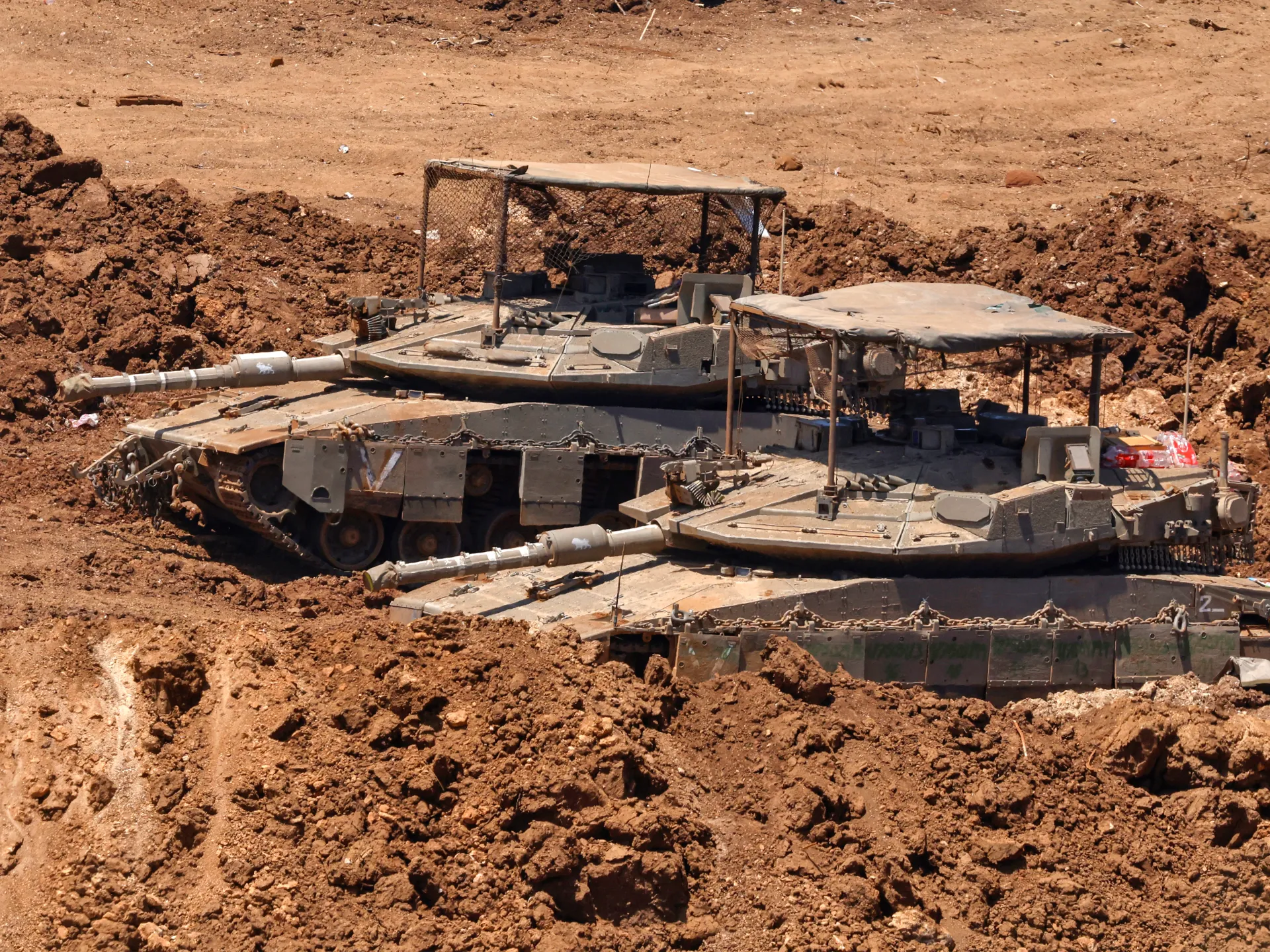
Despite the signing of the MoU by US President Donald Trump and Iran’s President Masoud Pezeshkian last Wednesday, Israeli officials have insisted that military forces will remain in southern Lebanon for an unlimited period. Prime Minister Benjamin Netanyahu and Defence Minister Israel Katz declared that the military would stay in security zones to protect borders against jihadist elements, a stance that has drawn criticism from Washington. Vance previously questioned Israel’s strategy, noting that a nation of nine million people cannot simply kill its way out of national security problems.
The diplomatic timeline has been further complicated by continued hostilities. Although the 60-day talks were originally due to start on Saturday, they were delayed by Israeli attacks on Lebanon. Israeli forces continued to carry out attacks until Saturday, killing dozens of people even after the MoU was signed. Iranian Foreign Minister Abbas Araghchi cautioned that the first real test of the agreement would be the effectiveness of the de-confliction cell, while Lebanese President Joseph Aoun discussed the mechanism with Vance and Qatari Prime Minister Sheikh Mohammed bin Abdulrahman bin Jassim Al Thani.
Hezbollah has condemned the upcoming Washington talks, demanding a full Israeli withdrawal from Lebanon before engaging in any diplomatic process. The group’s rejection highlights the fragility of the current arrangement, which follows a history of breached ceasefires and limited progress since direct talks resumed in April. With more than 4,000 people killed and over one million displaced in Lebanon since early March, the success of the new coordination mechanisms remains uncertain as regional actors hold divergent security objectives.