Washington seeks global consensus for 'greatest' economic isolation of Tehran
US Treasury Secretary Scott Bessent has framed the new sanctions regime as a binary choice for international partners, aiming to avoid a return to large-scale military conflict.
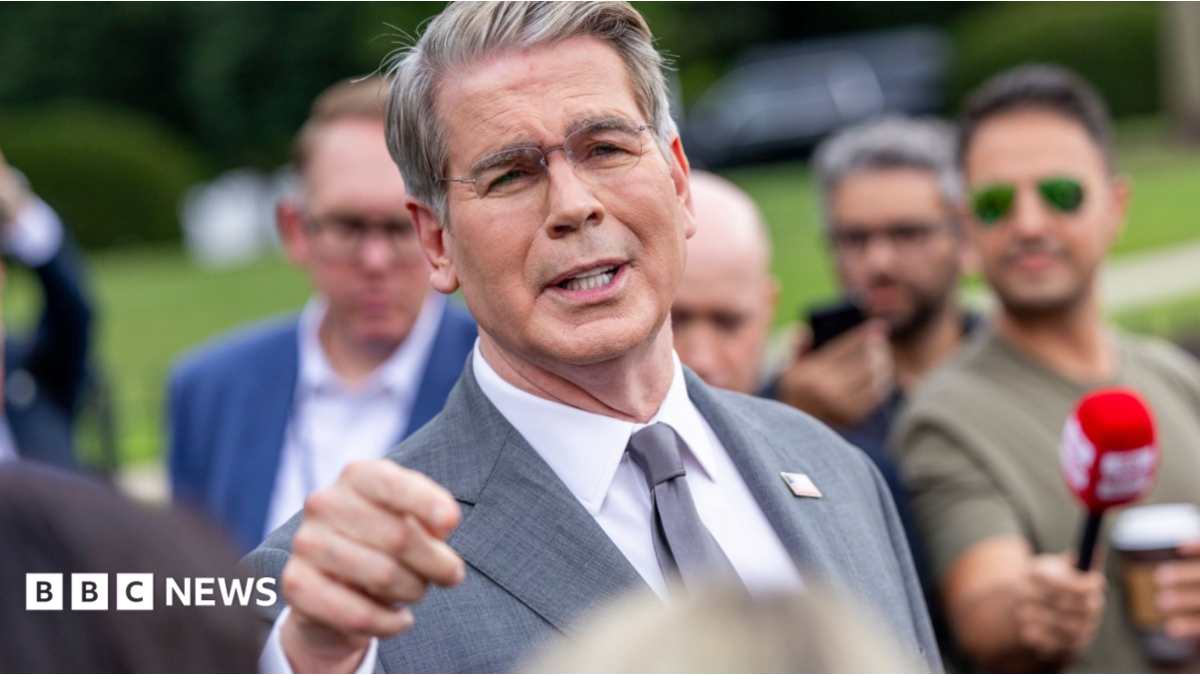
US Treasury Secretary Scott Bessent has urged international partners to support Washington’s plans to "squash" the Iranian economy, presenting the decision as a stark choice for allies to be "with us or against us". Speaking to broadcaster CNBC, Bessent described the planned measures as the "greatest coordinated economic isolation in the history of the world", warning that nations continuing to trade with Tehran face "tremendous economic consequences".
The remarks follow President Donald Trump’s statement on his Truth Social platform, which threatened countries providing "any type of lifeline" to the Iranian regime with severe economic repercussions. Bessent did not provide specific details on the enforcement mechanisms but stated that the US Treasury and government would deploy their "full might and force" against those transferring money or purchasing Iranian oil.
The primary objective of the new pressure campaign is to minimise the need for a "large-scale kinetic restart" of the conflict. Bessent confirmed that further details regarding the specific measures will be announced at a press conference on 24 August. This development effectively reverses a Memorandum of Understanding signed in June, which included a clause for the US to terminate all sanctions against Iran on an agreed schedule.
The Iranian economy has struggled under decades of international sanctions, with official figures indicating that basic necessities increased by an average of 60% and food prices doubled in the 12 months to February 2026. These economic pressures contributed to weeks of protests earlier this year, during which Trump urged demonstrators to "keep protesting" and stated that "help is on the way".
In April, the US launched "Operation Economic Fury" alongside a naval blockade to degrade Tehran’s warfighting capability after military operations failed to overthrow the regime. An Iranian businessman noted that the prospect of fresh sanctions is forcing global companies to carefully evaluate potential losses before making deals with Tehran, stating that the risk of secondary sanctions requires careful consideration before any investment.
Scepticism remains in Iran regarding the long-term impact of the new measures. Residents in Khuzestan province suggested that the country has become accustomed to sanctions and will find alternative ways to continue trading. One resident told the BBC that while the economy may weaken, the historical resilience of the Iranian market means the regime is unlikely to collapse solely due to fresh penalties.