Washington rules out military escalation with Cuba following Castro indictment
The White House has dismissed expectations of heightened conflict after the indictment of an individual referred to as Castro, despite recent sanctions and warnings from Havana.
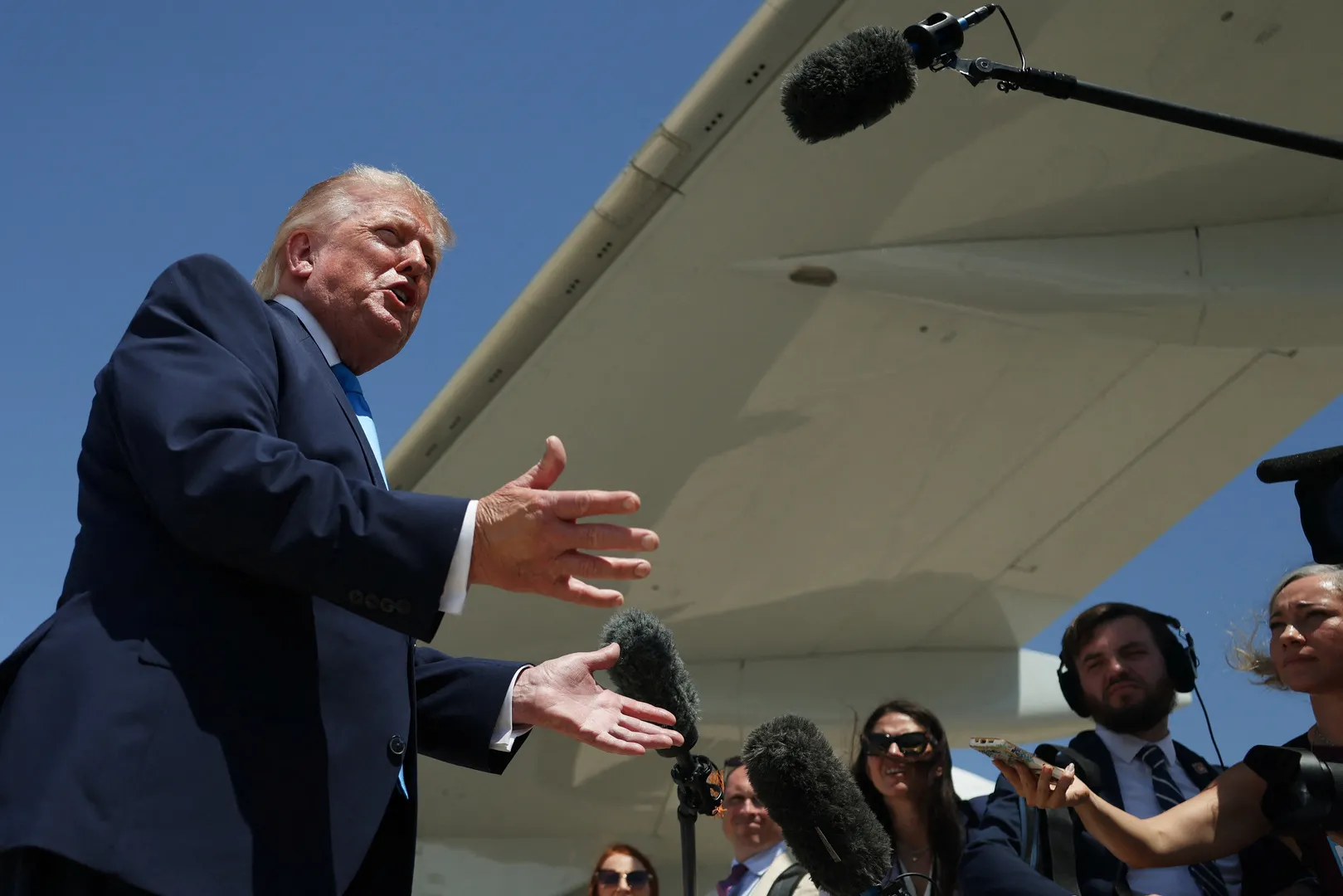
President Donald Trump has stated that the United States is “freeing up Cuba” and explicitly ruled out any military escalation following the US indictment of an individual identified as Castro. The comments were made in the context of a recent legal action taken by Washington, although the specific identity of the indicted party and the precise nature of the charges have not been detailed in available reports.
The administration’s stance comes amidst a period of heightened diplomatic and security tensions between the two nations. In the lead-up to these developments, the US Treasury Department imposed significant sanctions on Cuba’s main intelligence agency, nine Cuban nationals, and several senior officials within the Communist Party and the military.
These financial and legal measures were introduced against a backdrop of reported military developments in Havana. Intelligence reports indicate that Cuba has acquired over 300 military drones from Russia and Iran, a move that has contributed to the escalating friction between the two countries.
Cuban leadership has previously responded to the prospect of US aggression with strong rhetoric. President Miguel Diaz-Canel has warned of a “bloodbath” should the United States launch an attack, asserting Havana’s right to self-defence. This warning underscores the serious security concerns held by the Cuban government regarding potential US intervention.
Despite the recent sanctions and the acquisition of advanced military hardware, President Trump’s latest remarks suggest a desire to de-escalate immediate military threats. By stating that the US is “freeing up Cuba,” the President indicated a shift in policy focus, distancing the current administration’s approach from the threat of direct military conflict.
The indictment of Castro appears to be a legal rather than military instrument of pressure. However, the lack of clarity regarding the individual’s identity and the specific legal proceedings leaves the long-term implications of this action uncertain. The US government has not provided further details on how this indictment fits into the broader strategy of “freeing up” the island nation.
As tensions remain high due to the drone acquisitions and sanctions, the administration’s refusal to anticipate escalation marks a significant pivot in public messaging. The focus now shifts to how the legal actions against Castro and the existing sanctions will impact Cuba’s political and economic landscape without resorting to military force.