Washington presents 14-point framework to conclude US-Israel conflict; Tehran reviews terms
The proposed memorandum seeks to lift sanctions and reopen the Strait of Hormuz within 30 days, but excludes key US demands regarding missile programmes and proxy groups
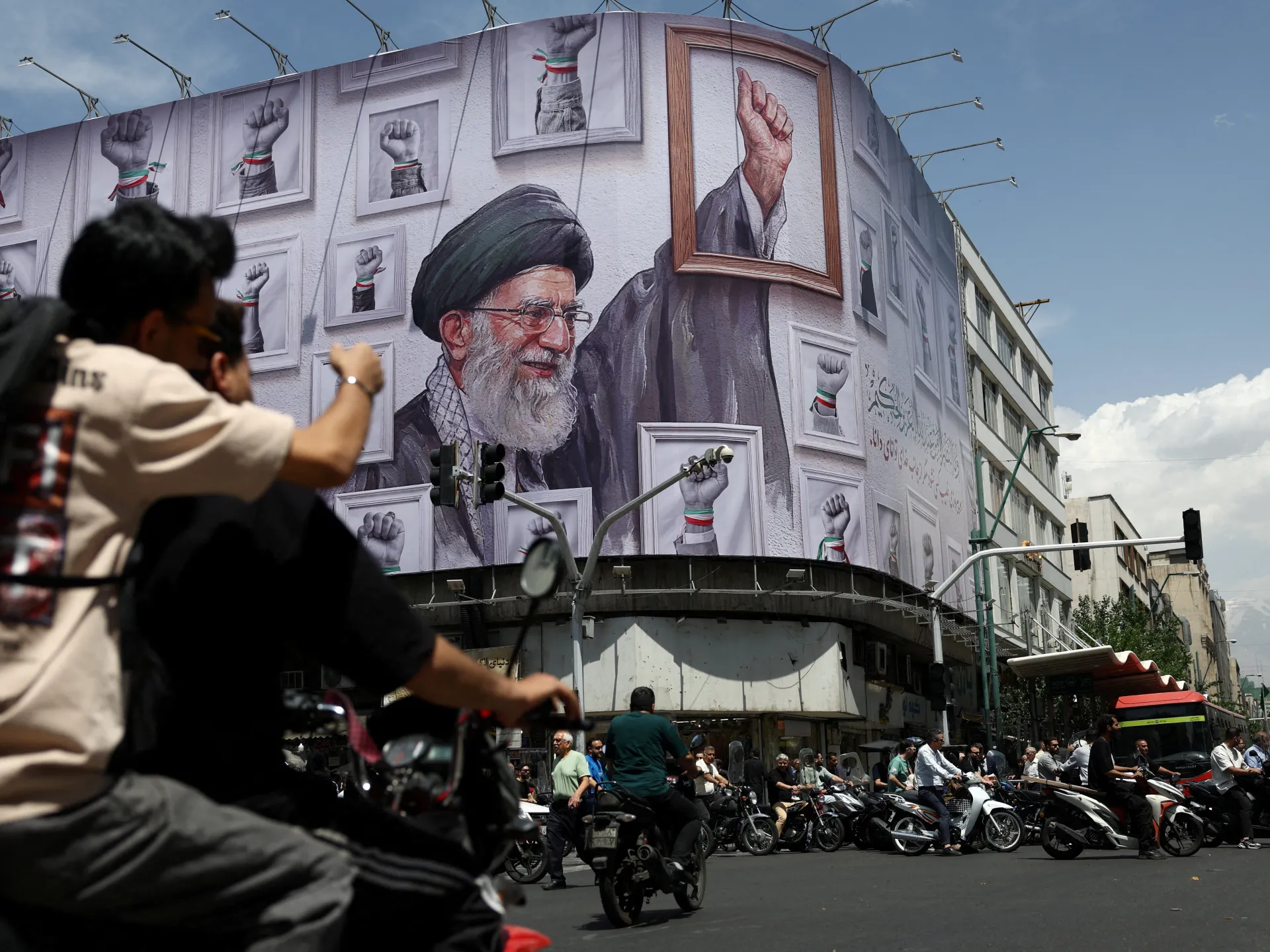
The United States has formally presented a draft 14-point memorandum to Iran intended to end the ongoing war between Washington and Israel, a conflict currently described as a global crisis. Sources indicate that the proposal outlines a structured path to peace, with the United States offering to lift sanctions and release billions of dollars in frozen Iranian assets. In return, the document reportedly requires Iran to halt uranium enrichment for a period of 12 years and refrain from developing nuclear weapons.
While US President Donald Trump asserts that an agreement is imminent following very good talks over the last 24 hours, Iranian officials have expressed significant scepticism regarding the draft text. Tehran has characterised the proposal as an American wish-list that fails to address core strategic interests. Iranian leaders have insisted that their nuclear enrichment rights are non-negotiable and have set a firm red line on this issue, demanding direct guarantees from the UN Security Council before any further discussion of the nuclear file can proceed.
The memorandum reportedly stipulates that both sides would reopen the Strait of Hormuz within 30 days of signing. This provision is critical given that the de facto blockade of the waterway, through which a fifth of global oil and gas supply passes, threatens to trigger a global recession. However, the current draft appears to omit key US demands that have historically been central to Washington's position, specifically curbs on Iran's missile programme and an end to its support for armed proxy groups in the Middle East.
Negotiations are reportedly being led by President Trump's envoy, Steve Witkoff, and his son-in-law, Jared Kushner. If a preliminary deal is agreed upon, a 30-day clock would commence for detailed negotiations to reach a full agreement. The timeline suggests that if the initial framework is accepted, the process would move quickly to unblock shipping and lift sanctions, though the nuclear component remains a point of contention.
A significant dispute exists regarding the status of Iran's nuclear capabilities. While the US and Israel claim that recent bombings obliterated the nuclear programme, experts and Iranian sources note that a substantial portion of enriched uranium stockpiles remains buried inside bombed sites. Former US Assistant Secretary of State Mark Kimmitt has described the demand to halt all enrichment as unrealistic, noting that Iran insists on its right to enrich uranium to 3.67 per cent under non-proliferation treaties.
As diplomatic stalemate persists, a French carrier has deployed to the Strait of Hormuz to monitor the situation. Iranian lawmakers have mocked reports of a near-deal, with one official describing the negotiations as a failed operation. Tehran is expected to present a formal response to Pakistani mediators later today, with the outcome of these talks likely to determine whether the proposed framework moves toward implementation or further diplomatic deadlock.