Washington peace talks expose deep fractures in Lebanese stance on Israel
As Lebanon and Israel enter talks in the US capital, public opinion remains sharply split between those seeking stability and hardline factions rejecting normalisation.
Unprecedented peace negotiations between Lebanon and Israel have commenced in Washington, facilitated by United States mediation. The diplomatic initiative marks a significant shift from previous stalemates, aiming to address the protracted conflict that has long destabilised the region. The talks represent a formalised attempt to bridge the gap between two nations that have rarely engaged in direct high-level dialogue regarding a comprehensive settlement.
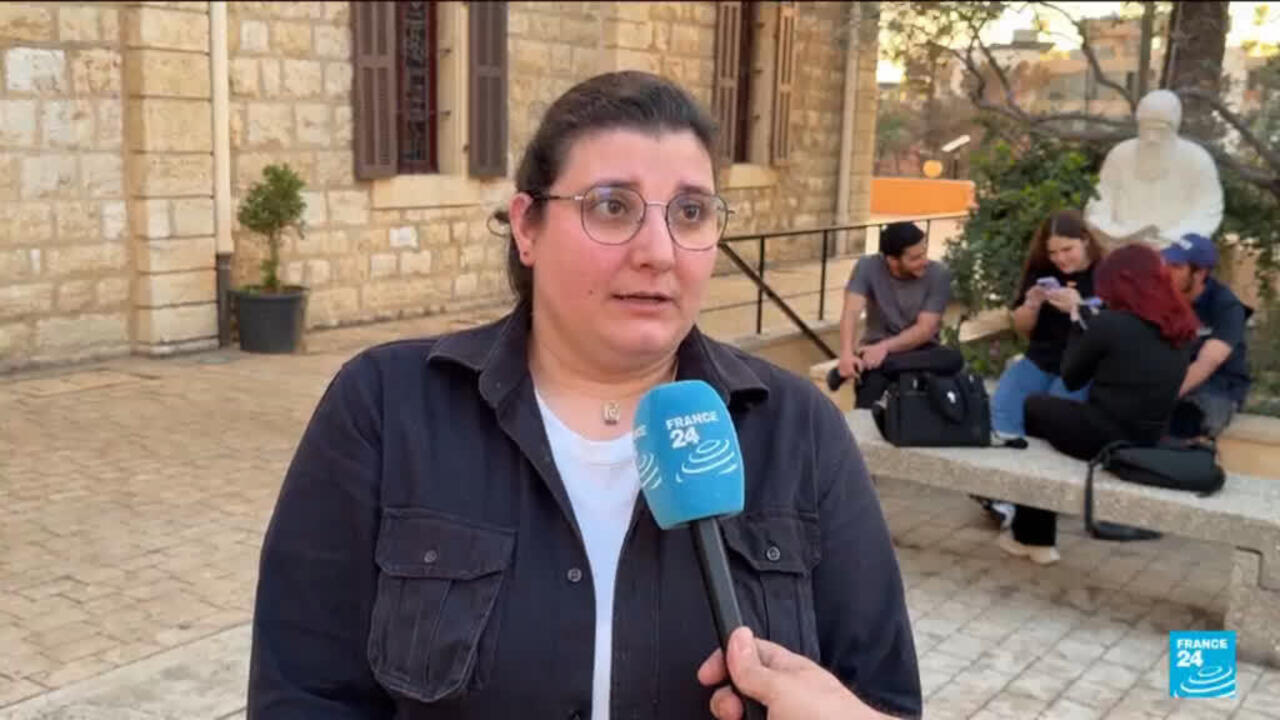
The emergence of these discussions has highlighted a profound fracture within Lebanese society. According to reporting by FRANCE 24 correspondents Serge Berberi and Renee Davis, a significant portion of the Lebanese population views the US-mediated talks as a viable pathway to restoring national stability. For many citizens weary of recurring conflict, the negotiations offer a potential mechanism to secure a more predictable political and economic environment.
Conversely, the political landscape remains heavily contested by entrenched opposition groups. Hezbollah maintains a firm and uncompromising rejection of any form of normalisation with Israel. This hardline stance underscores the deep division within the country, where the prospect of peace is not universally embraced but is instead viewed through the lens of ideological and strategic opposition by key political actors.
The contrast between the public desire for stability and the rigid opposition from groups like Hezbollah illustrates the complexity of the current diplomatic environment. While the Washington talks proceed under US auspices, the internal Lebanese consensus on the nature of peace with Israel remains elusive. The negotiations must therefore navigate not only bilateral demands but also the volatile domestic political dynamics that define Lebanon’s foreign policy options.
As the talks unfold, the specific outcomes and terms remain undefined in the immediate reporting. However, the very occurrence of these unprecedented discussions signals a renewed international focus on resolving the Lebanon-Israel conflict. The challenge for mediators lies in reconciling the external diplomatic push with the internal realities of a nation deeply divided on the path forward.