Washington escalates pressure on Tehran with new economic sanctions
With diplomatic efforts stalled after nearly six months of conflict, the United States has announced a new round of economic measures against Iran, urging global participation in what it describes as a historic isolation campaign.
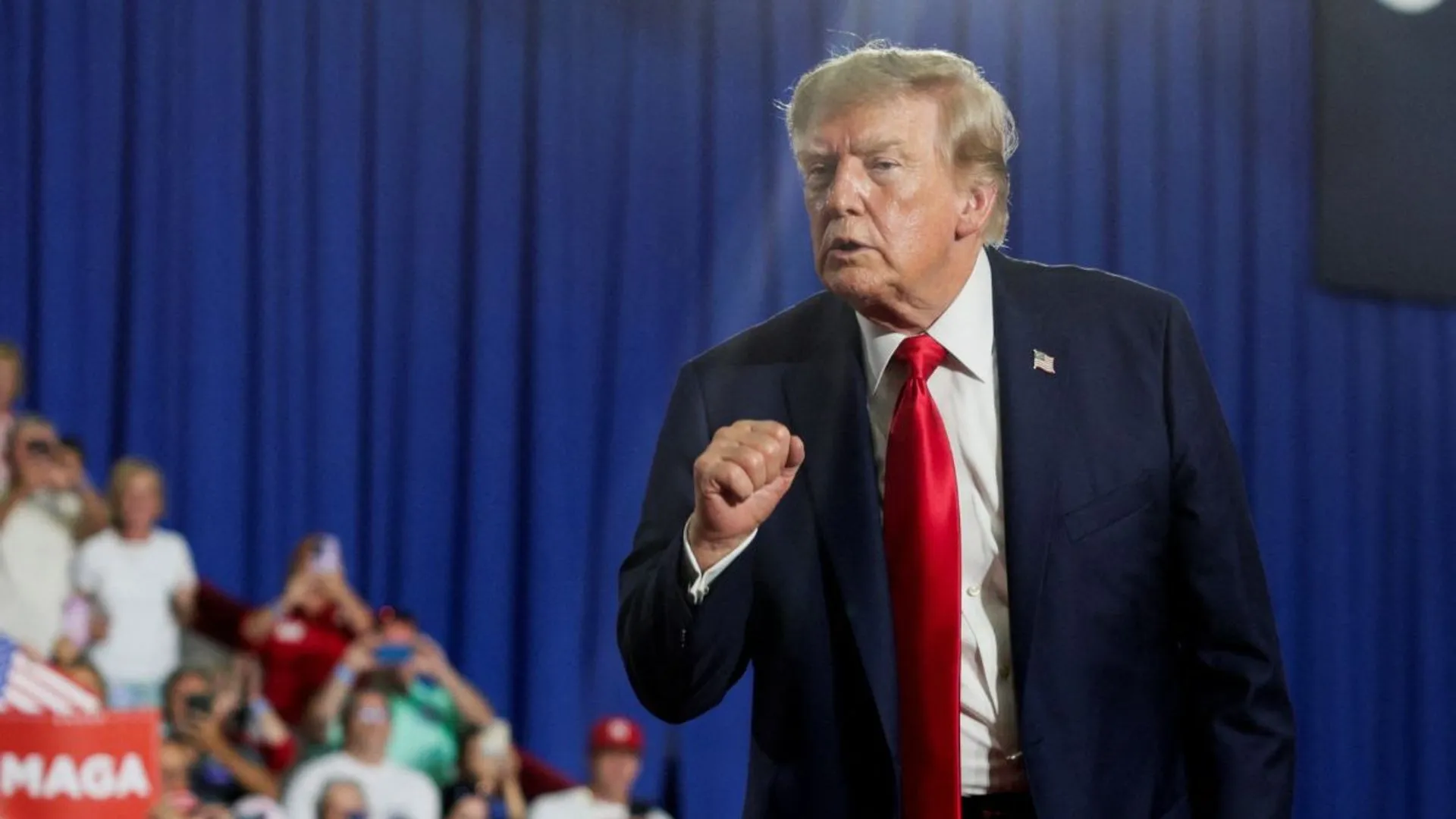
The United States has moved to intensify its economic pressure on Iran, with President Donald Trump announcing a new set of sanctions characterised as a “crushing economic operation.” The policy shift marks a distinct change in strategy following nearly six months of war between the two nations, during which previous attempts to reach a diplomatic agreement have stalled.
Washington is now actively calling on other countries to join the sanctions regime. The US administration has described the initiative as the greatest coordinated economic isolation in history, a claim that underscores the scale of the diplomatic push. However, the specific details and scope of the new measures have not been fully detailed, leaving the immediate operational impact under scrutiny.
Tehran has responded with a firm diplomatic warning, stating that any country participating in the US-led campaign will be treated as an enemy. This stance complicates the US effort to build a broad coalition, as nations must now weigh the economic benefits of joining the sanctions against the risk of being classified as adversaries by Iran.
The announcement has also contributed to heightened volatility in US financial markets. In response, Treasury Secretary Scott Bessent has attempted to lower bond yields, a move that has faced scepticism from market analysts. The financial turbulence highlights the interconnected risks of the escalating geopolitical standoff.
Harvard professor Stephen Walt has previously described the situation as a “hurting stalemate,” arguing that both sides are reluctant to escalate further. This assessment suggests that the new sanctions may be an attempt to break the deadlock, though the long-term effectiveness of the “crushing measures” remains to be seen.
As the conflict enters its next phase, the focus shifts to whether the economic isolation strategy can achieve what diplomacy has so far failed to secure. The coming weeks will determine if the new sanctions can alter the trajectory of the war or if the stalemate persists.