Washington escalates pressure on Havana amid regional security concerns
The Trump administration is increasing diplomatic and economic pressure on Cuba, with experts warning of significant geopolitical repercussions as Havana asserts its right to self-defence.
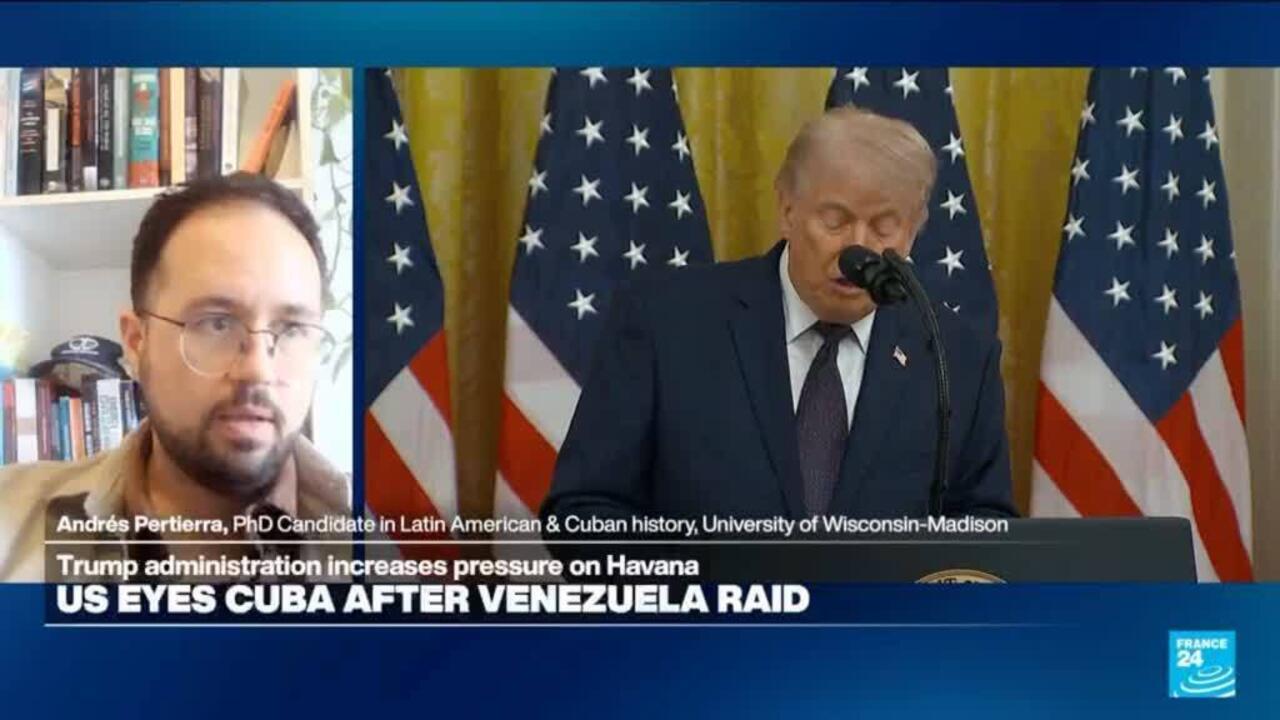
The Trump administration is intensifying pressure on Cuba in the wake of a recent raid in Venezuela, marking a significant escalation in Washington’s approach to the Caribbean nation. According to France 24 International, the shift in policy has prompted expert scrutiny, with Andrés Pertierra, a PhD candidate in Latin American and Cuban history at the University of Wisconsin-Madison, featured to discuss the implications of this strategic pivot.
This renewed focus on Havana occurs against a backdrop of heightened military and diplomatic tensions. Cuban President Miguel Diaz-Canel has previously issued stark warnings, cautioning that a US attack would result in a "bloodbath" and firmly asserting Havana’s right to self-defence. The administration’s current stance appears to be a direct response to evolving security dynamics in the region, particularly following the operational activities in Venezuela.
Economic and administrative measures have already been deployed to isolate the Cuban government. The US Treasury has imposed sanctions on Cuba’s main intelligence agency, targeting nine Cuban nationals alongside several senior Communist Party officials and generals. These actions represent a concerted effort to weaken the institutional frameworks supporting the Cuban state, aligning with the broader pressure campaign now being expanded.
Regional security concerns are further complicated by reports that Cuba has acquired over 300 military drones from Russia and Iran. This accumulation of advanced military technology has drawn international attention and likely informs the Trump administration’s decision to turn up the pressure, as Washington seeks to counter perceived threats to its strategic interests in the Western Hemisphere.
The involvement of academic experts such as Pertierra underscores the complexity of the situation, as policymakers navigate the intersection of historical context and immediate security threats. As the Trump administration refines its strategy, the interplay between US sanctions, Cuban military acquisitions, and regional stability remains a critical focal point for international observers.