Warsh’s No-Win Dilemma: Fed Chair Faces Inflation Surge and Political Pressure
With trailing 12-month inflation hitting 4.2% and President Donald Trump calling for rates near 1%, Kevin Warsh risks market backlash or credibility loss regardless of the Federal Open Market Committee’s decision.
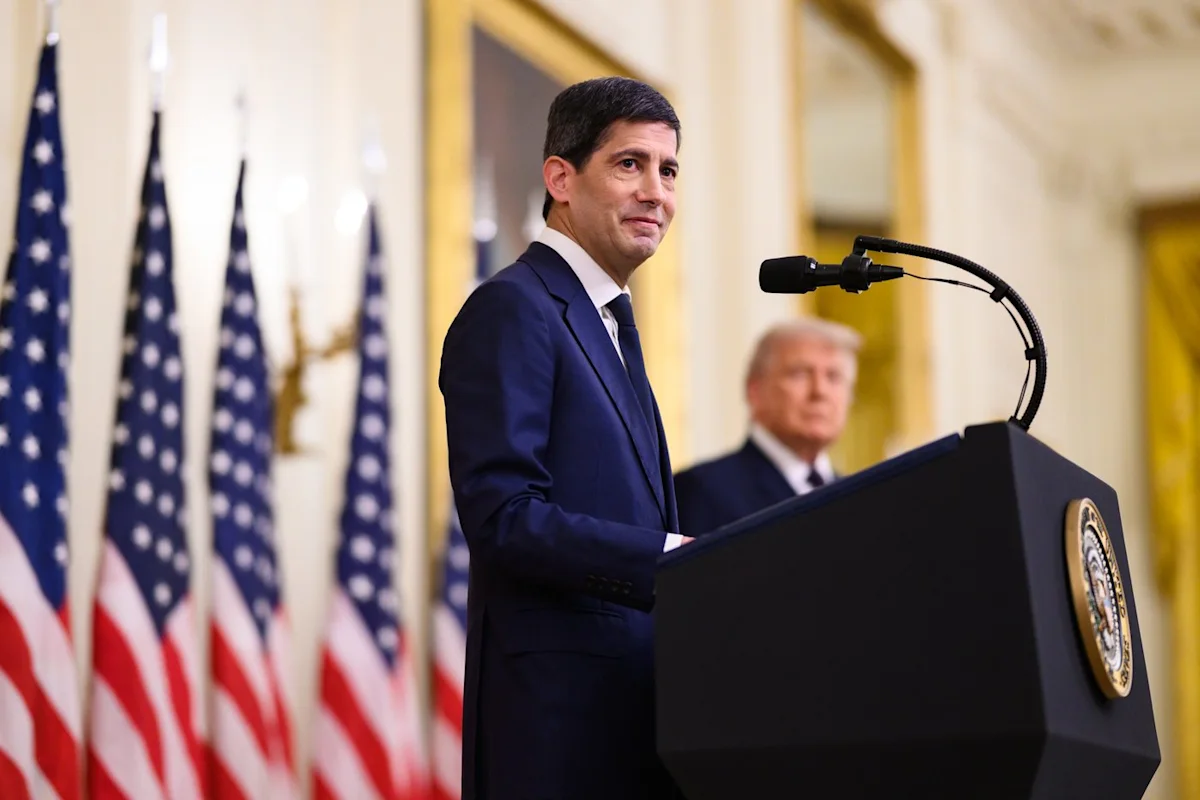
US Federal Reserve Chair Kevin Warsh has inherited a volatile monetary policy landscape, succeeding Jerome Powell on 22 May 2026 amid a sharp rise in inflationary pressures. Trailing 12-month inflation reached a three-year high of 4.2% in May, a significant jump from the 2.4% recorded in February 2026. This acceleration has placed the Federal Open Market Committee (FOMC) under intense scrutiny as it prepares for its scheduled meetings in late July and mid-September 2026.
The inflationary surge was largely driven by geopolitical developments, including the US attack on Iran on 28 February and the subsequent closure of the Strait of Hormuz by Tehran. This disruption halted approximately a fifth of the world’s petroleum liquids, sending energy prices soaring. Although crude oil prices have since retraced from those wartime highs, Core Personal Consumption Expenditures (PCE), a key inflation measure excluding volatile food and energy costs, continue to climb.
Compounding the economic complexity is the political pressure from President Donald Trump, who has publicly demanded that the FOMC cut interest rates to 1% or lower. The federal funds target rate currently sits between 3.50% and 3.75%, having been reduced six times between September 2024 and December 2025. Trump’s advocacy for lower rates is linked to broader economic goals, including stimulating hiring, supporting the artificial intelligence data centre build-out, and reducing the servicing costs of the $39.4 trillion national debt.
Wall Street has responded positively to the current environment, with the Dow Jones Industrial Average, S&P 500, and Nasdaq Composite reaching record highs since early June 2026. These gains have been partly fuelled by AI infrastructure investments financed through corporate debt. However, this market rally creates a precarious position for the central bank, as any policy shift could impact investor sentiment and corporate borrowing costs.
Warsh faces a structural dilemma where either policy path carries significant risks. If the FOMC raises rates to combat inflation, it risks angering the President and potentially ending the AI-driven market rally by making capital more expensive. Conversely, holding rates steady despite rising Core PCE and geopolitical tensions could be interpreted as capitulation to political pressure, potentially damaging the central bank’s long-held credibility and independence.
The upcoming FOMC meetings will serve as a critical test of the new chair’s ability to navigate these conflicting demands. With inflation more than double the Fed’s long-term target of 2%, the pressure to stabilise prices is evident, yet the political climate demands rate reductions. This dynamic leaves Warsh with limited options, as any decision is likely to draw criticism from either the White House or financial markets.