Warriors leadership defends roster strategy amid free agency silence
Golden State front office claims significant draft capital was offered to multiple targets, but fails to secure star talent as team aims to rebuild around Stephen Curry.
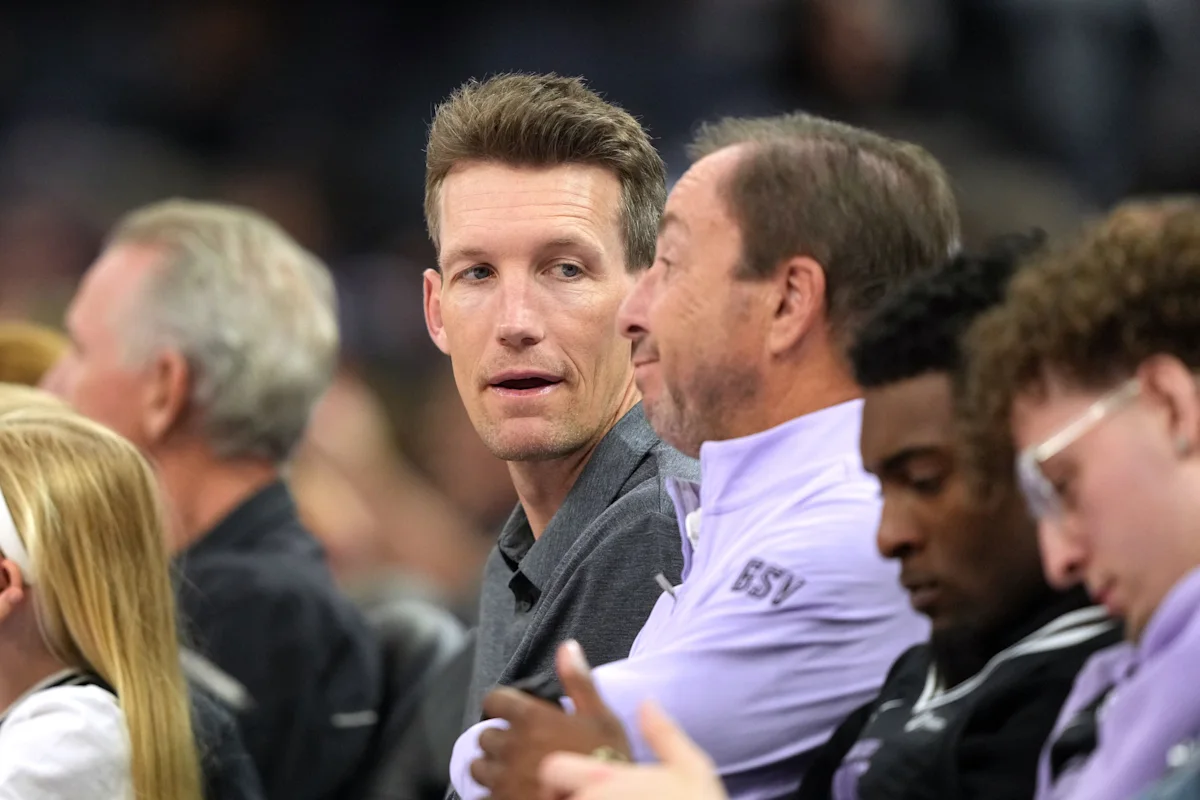
Golden State Warriors owner Joe Lacob and general manager Mike Dunleavy Jr have publicly defended the organisation’s approach to the NBA free agency period, responding to mounting criticism over the team’s failure to secure major star signings. The comments follow a quiet offseason that has drawn backlash from fans and analysts alike, with the front office seeking to clarify their strategic positioning despite the lack of high-profile acquisitions.
Dunleavy Jr described the team’s efforts as "super aggressive," suggesting that the extent of their outreach has been misunderstood. Speaking to the media, he indicated that the volume of negotiations conducted behind closed doors would surprise the public. "I mean, if people knew the cold calls I made, offering a lot of stuff for players, I think they'd realize how hard we're trying," Dunleavy stated, framing the lack of on-court results as a disconnect between internal activity and external perception.
Lacob provided further detail on the assets deployed during this period, confirming that the organisation made at least two substantial proposals over the past six months. He specified that these offers, submitted between the trade deadline and the start of the summer, involved multiple draft choices. Lacob emphasised that the front office remained willing to move these assets if they believed the return justified the cost, though he did not disclose the identities of the players targeted or the specific teams involved.
The defensive posture from the leadership comes against the backdrop of a challenging 37-45 record last season, which saw the Warriors finish 10th in the Western Conference. The organisation is currently attempting to construct a competitive roster around former two-time MVP Stephen Curry, but the absence of new star talent has led to a confusing narrative regarding the team’s direction.
While some supporters may view the internal evaluation of different roster avenues as a standard part of the process, the lack of tangible outcomes has intensified scrutiny. The Warriors’ situation highlights the difficulty of balancing long-term asset management with immediate contention needs, particularly when the primary goal is to build a contender around an established superstar without the necessary supporting cast.