War trauma and external manipulation drive surge in teenage bullying across Ukrainian schools
A steady increase in violence within Ukrainian classrooms is being attributed to chronic stress among students, with authorities citing deliberate incitement by foreign intelligence agents on social media platforms.
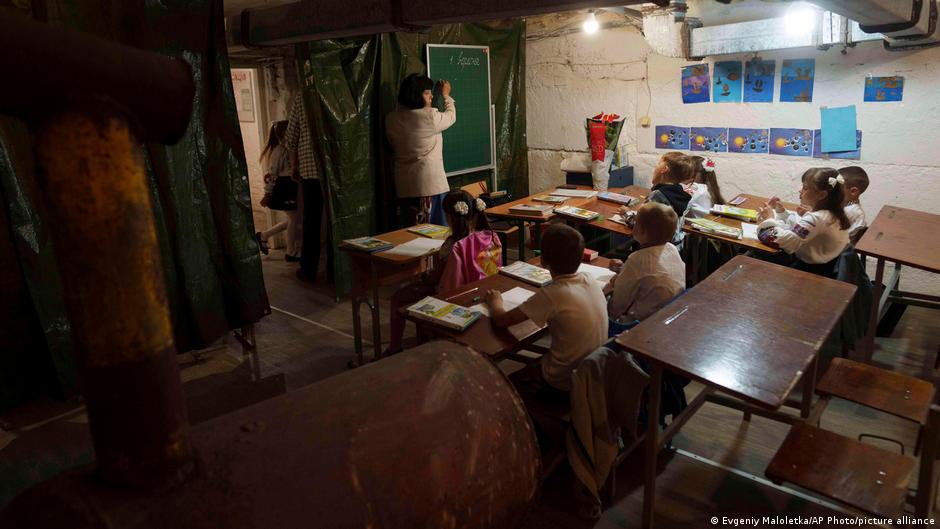
Reports indicate a steady rise in teenage bullying cases within Ukrainian schools, a trend experts attribute to the profound psychological toll of the ongoing conflict. The surge in aggression is linked to war trauma, chronic stress, and a marked increase in anxiety disorders and depression among minors. While some students have withdrawn from social interaction, others exhibit hostility to bolster their self-esteem, frequently targeting peers who have been displaced from their villages.
Education official Nadiya Leshik noted that while schools were initially preoccupied with survival at the start of the war, they have since observed a consistent escalation in violence cases. This observation is supported by research from the Mindset research institute in Kyiv, which concluded that three-quarters of all Ukrainian students suffer from symptoms of stress. The study highlights a divergence in coping mechanisms, where trauma experienced by some students manifests as aggressive behaviour towards others, often described as an attempt to act like "alpha males" at the expense of peers.
Authorities, including police teams, are now intervening to address both physical and cyberbullying, identifying psychological violence in the digital realm as a primary concern. Police officer Yana Vitalievna explained that the use of smartphones for safety alerts during air raids has inadvertently increased children's exposure to social media platforms where bullying occurs. In response, officers regularly visit institutions such as High School 45 in Kyiv to teach safety protocols alongside anti-bullying measures.
The Ukrainian government has warned that Russian intelligence agents are active in Telegram groups predominantly used by young people. These agents employ language that appeals to adolescents to turn them against each other and incite violence. Leshik stated that Russian authorities are exploiting the vulnerability of minors through massive propaganda campaigns on social media, using methods deliberately designed to make children and teenagers aggressive.
Families displaced by the war are noted as being in a difficult position to monitor unusually aggressive behaviour in their children, complicating efforts to manage the situation. Despite these challenges, officials maintain that when a whole generation is growing up with war trauma, bullying by teenagers cannot be tolerated. The clear identification of perpetrators and victims in such incidents underscores the necessity for a robust institutional response to protect the school environment.