WAFCON final highlights structural gaps in women’s football
As the Women’s Africa Cup of Nations reaches its climax, analysts point to systemic inequalities that distinguish the tournament from its male counterpart.
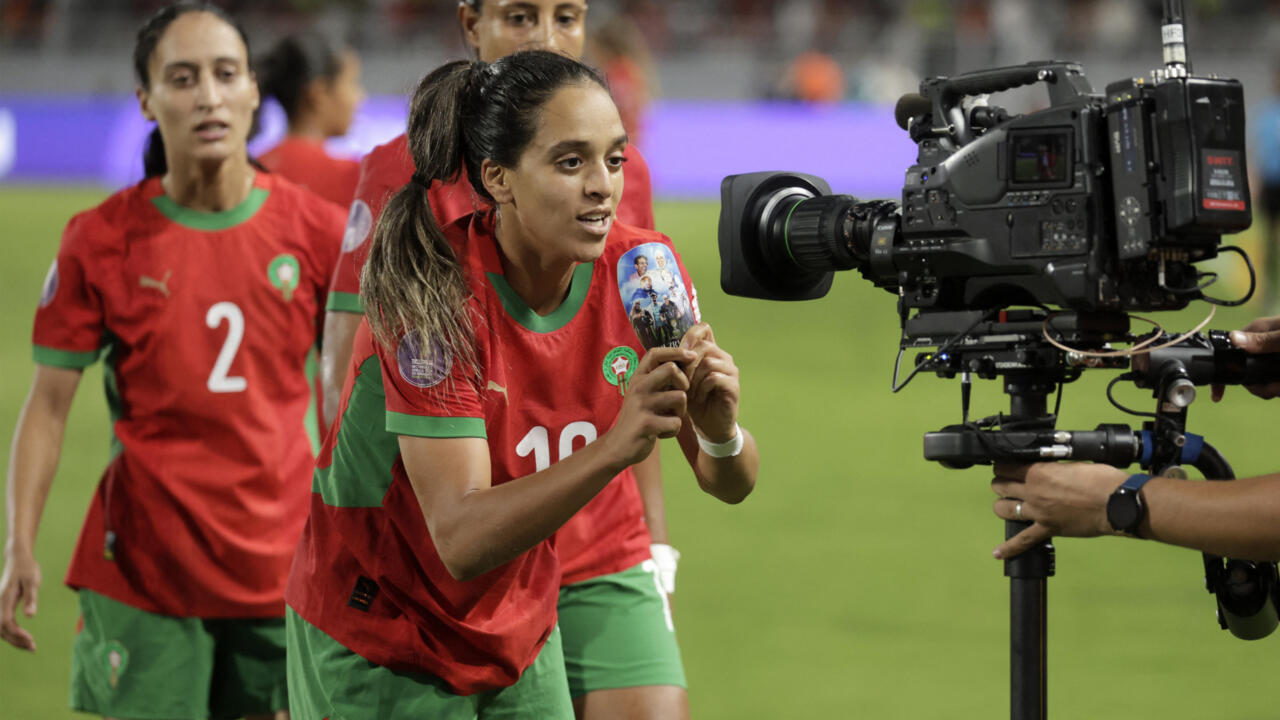
The Women’s Africa Cup of Nations (WAFCON) final is set to take place tonight in Rabat, featuring a historic contest between Malawi and Cameroon. The match represents a significant moment for the tournament, yet it also serves as a focal point for broader discussions regarding the institutional support and governance structures surrounding women’s sport in Africa.
According to sports journalist Charlotte Richardson, speaking to France 24, the growing popularity of women’s football has not been matched by proportional investment in infrastructure, funding, or media coverage. These persistent disparities remain a defining characteristic of the women’s game, creating a structural divide between the treatment of female and male athletes within the sport.
A notable example of this institutional imbalance occurred earlier this year when the WAFCON tournament faced a last-minute postponement. Richardson described such a decision as unthinkable in men’s football, highlighting a double standard in how administrative crises are managed across different tiers of the sport.
The postponement incident underscores the fragility of the administrative frameworks supporting women’s competitions. While men’s tournaments typically benefit from established protocols and greater political capital, women’s events often operate with fewer safeguards, making them more susceptible to sudden operational disruptions.
As Malawi and Cameroon prepare for the final, the event draws attention to the need for more robust governance models. The disparity in media coverage and financial backing continues to challenge the sustainability of women’s sport, despite its increasing visibility and fan engagement.