Visa restrictions cast diplomatic shadow over Iran’s World Cup deployment
The United States has refused visas for some support staff and mandated same-day entry and exit for the team, complicating logistics for three group stage games.
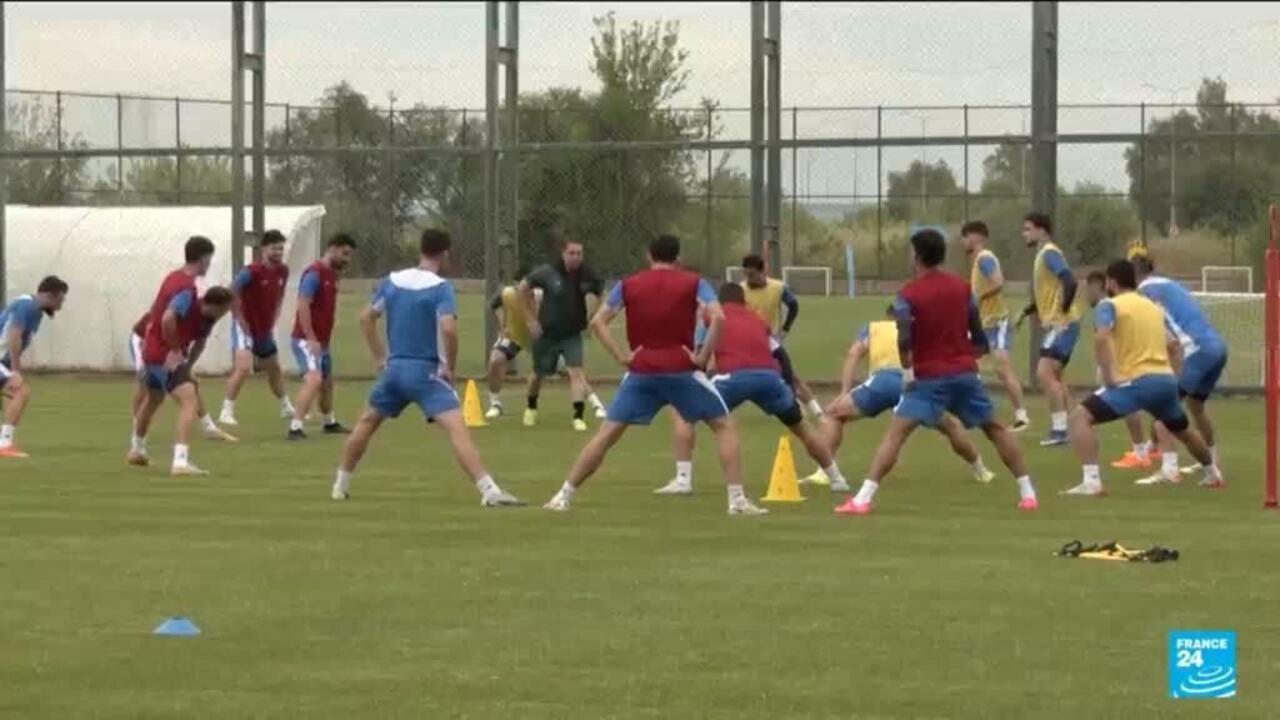
Iran’s World Cup squad is set to arrive in Mexico early Sunday, navigating a complex diplomatic environment defined by a standoff between Tehran and Washington. The arrival of the team comes in the wake of a diplomatic row in which the United States refused to issue visas for certain members of Iran’s team support staff, creating immediate logistical hurdles for the national side.
According to the Iranian ambassador to Mexico, the team has been formally notified that they must enter and leave US soil on the same day as their scheduled matches. This requirement imposes a strict operational constraint on the squad, limiting their ability to establish a base or conduct extended preparations within the host nation during their tournament run.
The logistical burden is compounded by the fact that Iran is scheduled to play three group games on US territory. The refusal to grant visas to support staff, combined with the same-day travel mandate, underscores the extent to which bilateral tensions are influencing the administrative and operational aspects of the team’s participation in the tournament.
This incident represents a continuation of broader diplomatic friction between Washington and Tehran, which has historically manifested in various non-military arenas. The current dispute over sports participation aligns with a pattern of geopolitical tension that has previously included military incidents, such as US military intercepts of Iranian drones in the Strait of Hormuz, particularly during periods of heightened economic discussion surrounding OPEC+ production responses.
While the specific number of support staff denied visas has not been detailed, the structural restrictions placed on the team’s movement highlight the persistent institutional barriers between the two nations. The visa standoff serves as a tangible example of how diplomatic disputes continue to impact international sporting events, even as the squad prepares to compete on the global stage.