Visa restrictions and border controls cast shadow over 2026 World Cup accessibility
As the tournament unfolds across North America, visa denials, mandatory quarantines, and the forced relocation of national teams highlight the growing tension between sporting events and border security protocols.
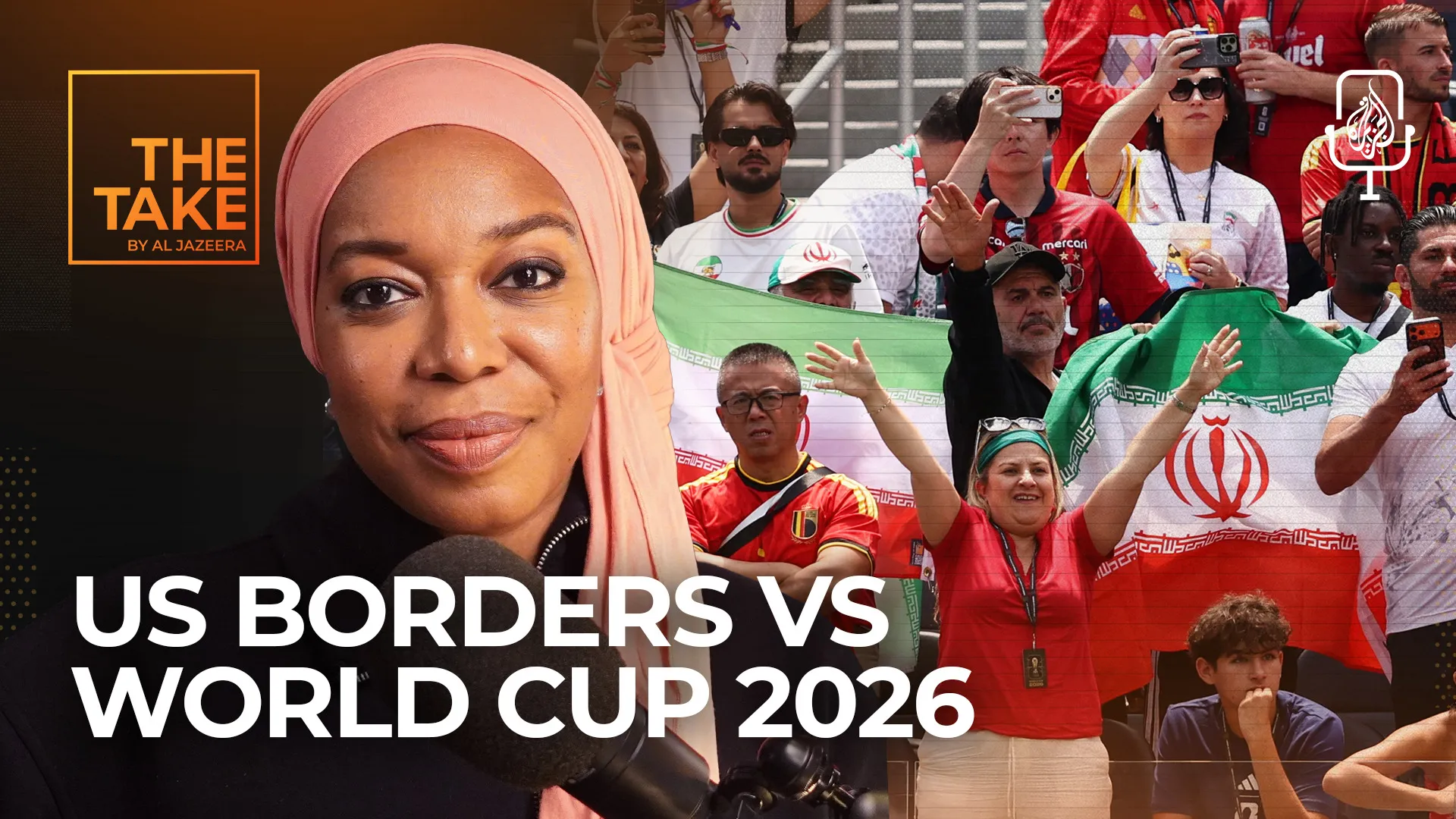
The 2026 FIFA World Cup, currently underway across North America, is facing significant logistical and diplomatic friction stemming from United States immigration and health policies. Reports indicate that visa denials and intensified border searches, including the use of sniffer dogs, are hindering access for international fans and players. A notable incident involves the Iranian national team being compelled to base its operations outside the United States due to current immigration regulations under President Donald Trump.
These restrictions contrast sharply with the tournament's on-field developments, where format changes have accelerated team eliminations and qualifications. The implementation of new tiebreaking rules, prioritising head-to-head records over goal difference, has led to eight teams being eliminated or qualified after only two matches. This structural shift has created early exits for sides such as Iraq, who were eliminated after remaining pointless, while France secured their knockout berth with a 3-0 victory over Iraq in Philadelphia.
Beyond the pitch, health protocols have also impacted travel logistics. The DR Congo squad arrived in the United States after completing a 21-day quarantine required by US authorities due to an Ebola outbreak in the Democratic Republic of Congo. This requirement underscores the additional layers of border health restrictions that international squads must navigate to participate in the tournament.
The opening stages of the competition have seen high-profile matches and record-breaking performances. The tournament began with the USA defeating Paraguay 4-1 at SoFi Stadium in Inglewood, California. On 22 June, Argentina played Algeria in their opening match, with Lionel Messi scoring a hat-trick, before facing Austria in Arlington, Texas, in front of 70,649 spectators. Austria also secured a 3-1 victory over Jordan in their opening fixture.
As the event progresses, the collision between global sport and US immigration policy remains a central concern. The incidents involving visa denials, border searches, and the forced relocation of teams highlight the impact of these policies on the tournament's global accessibility. With the format changes already determining early qualifiers and casualties, the off-field administrative hurdles continue to pose challenges for the smooth operation of the world's largest sporting event.