Visa complications disrupt 2026 World Cup as FIFA asserts limited jurisdiction over US immigration
Human rights experts and sports officials criticise US entry denials, while FIFA president Gianni Infantino maintains the organisation cannot override sovereign border decisions.
The 2026 FIFA World Cup, which commenced in the United States on Thursday, has been marred by significant administrative friction regarding entry visas for athletes, officials, and fans. The US government is facing mounting criticism from human rights experts and sports advocates over a series of visa-related complications and entry denials that have disrupted preparations for the tournament.
Somali referee Omar Artan, 34, was denied entry at Miami airport and flown back to Istanbul despite holding a valid visa and all required documentation. The US Department of Homeland Security confirmed that Artan was determined to be inadmissible due to vetting concerns, despite his inclusion in FIFA’s list of 52 World Cup referees. Artan returned to Somalia to a hero’s welcome, maintaining a positive attitude following the incident.
The Iranian national football team faced substantial logistical disruptions after the US awarded visas to all players on Friday, just 10 days before their first match. However, several key managerial and administrative members of the support squad were denied visas. Consequently, the team was forced to base in Tijuana, Mexico, rather than their planned location in Arizona, with the US Department of Homeland Security stating the squad could only enter the US on the day before each of their three group stage matches.
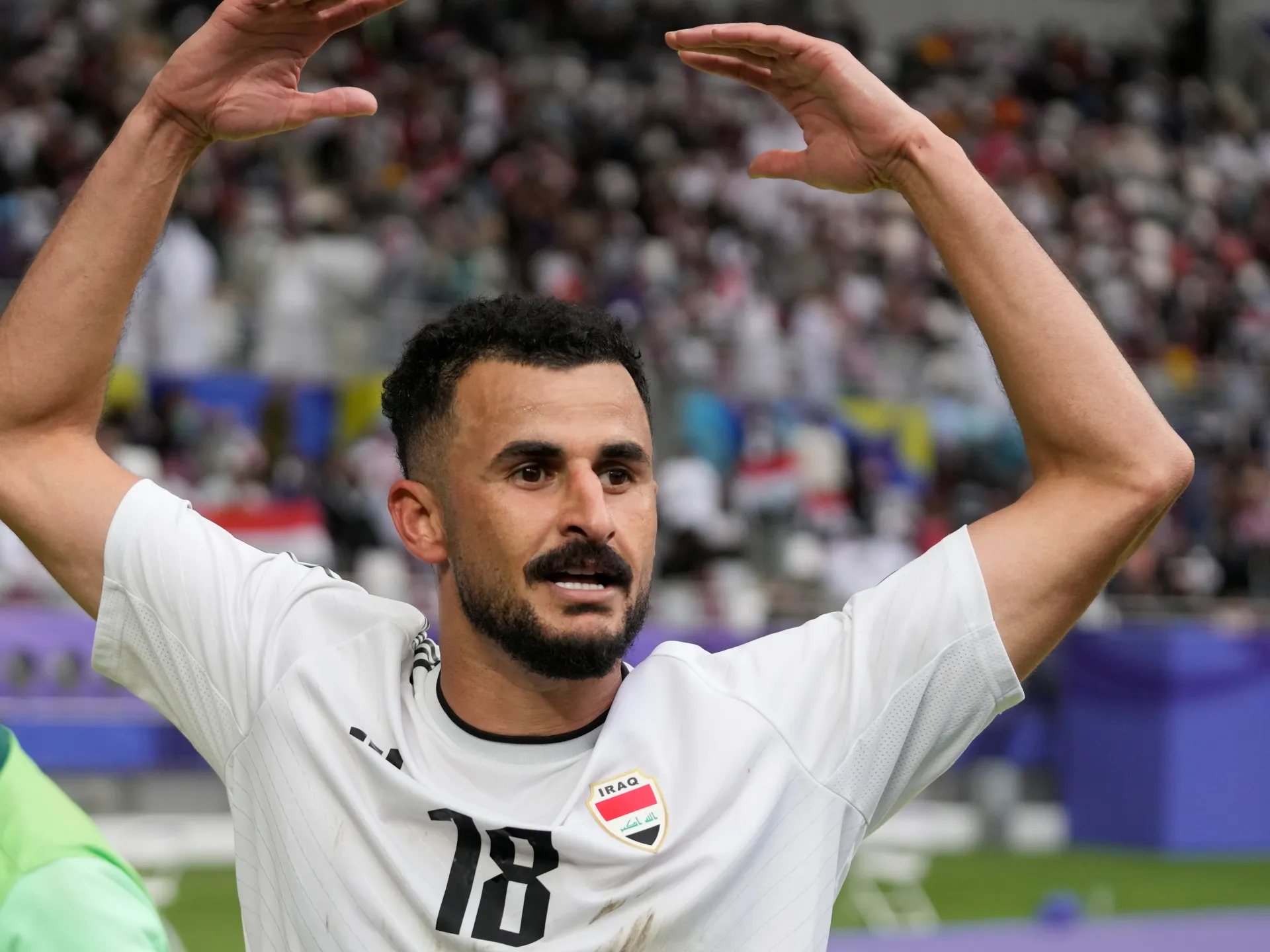
Other participants have also encountered significant hurdles. Iraqi striker Aymen Hussein was detained for nearly seven hours at Chicago O’Hare airport before being allowed entry, while national team photographer Talal Salah was held for over 10 hours and ultimately denied entry. Swiss forward Breel Embolo was cleared for travel only after a visa flag review linked to a previous conviction, and Haitian midfielder Woodensky Pierre arrived at Miami airport around half-time of a friendly match against New Zealand after receiving a late visa.
UN High Commissioner for Human Rights Volker Turk has called for a massive rethink of US immigration policies, expressing concern that issues surrounding racial profiling and surveillance may affect the tournament. International sports lawyer Khayran Noor noted that while states retain sovereign responsibilities for border control, hosting major sporting events carries responsibilities regarding meaningful inclusion and access.
FIFA president Gianni Infantino has addressed the growing controversy, stating that the organisation cannot override US government immigration decisions. Speaking in Mexico City, Infantino emphasised that FIFA is a sports organisation and lacks the jurisdiction to rule over governments or police forces, urging stakeholders to maintain perspective as the tournament proceeds.