Virologist downplays hantavirus outbreak risk compared to COVID-19
Warner, from the Vaccine and Infectious Disease Organization, addresses reports of suspected human-to-human spread, noting the low likelihood of a pandemic-scale event.
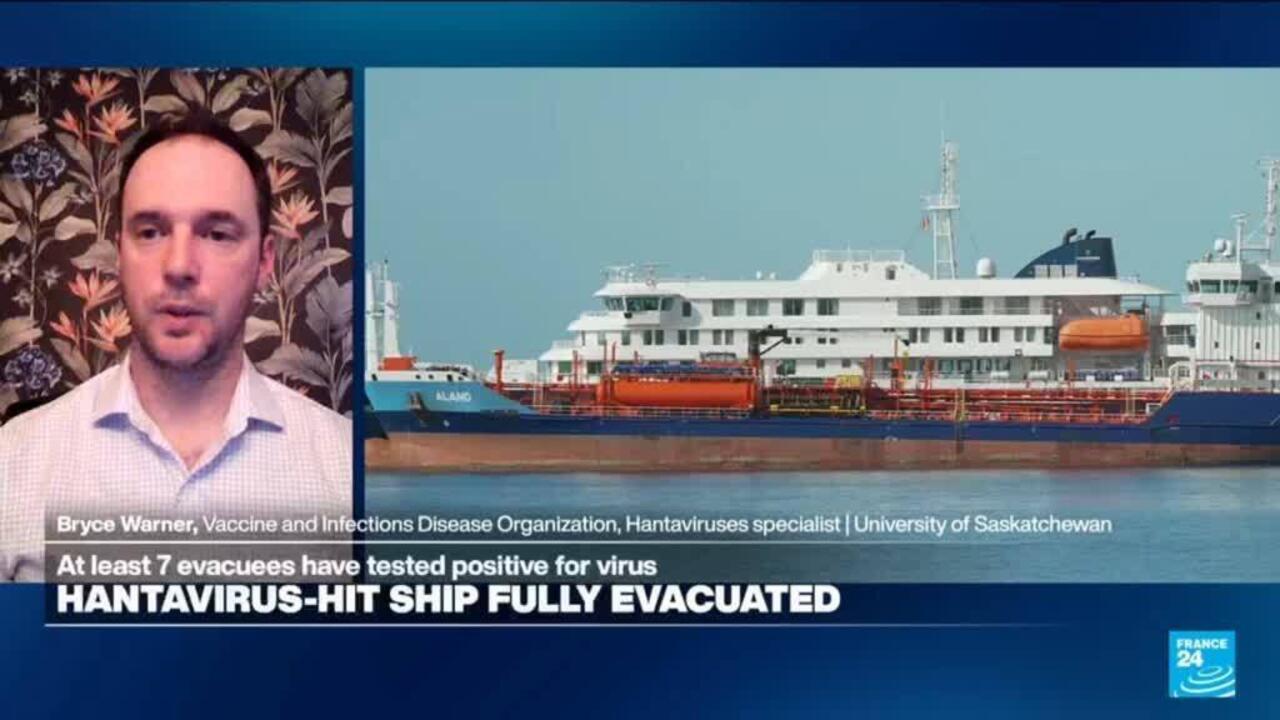
Canadian virologist Bryce Warner has assessed the risk of a widespread outbreak of the Andes virus as low, citing the pathogen's limited transmission efficiency. Warner, a research scientist at the Vaccine and Infectious Disease Organization and affiliated with the University of Saskatchewan, provided this assessment in response to recent reports concerning suspected human-to-human transmission of the virus.
The Andes virus represents a specific strain of hantavirus and holds the distinction of being the only hantavirus with previously documented cases of human-to-human spread. Warner acknowledged this unique characteristic but emphasised that the efficiency of such transmission remains significantly lower than that of SARS-CoV-2, the virus responsible for the COVID-19 pandemic.
Warner’s commentary addresses public concerns that have been amplified by memories of early pandemic events, including cruise ship outbreaks, quarantine protocols, and international evacuations. He characterised the current scientific reality as distinct from those historical precedents, framing the Andes virus cases within decades of established virological evidence rather than as a precursor to a new global health crisis.
While Warner confirmed the documented history of human-to-human spread for the Andes virus, he noted that the transmission efficiency is still relatively low. This distinction serves to temper alarmist narratives, suggesting that the likelihood of a pandemic-scale event driven by this specific strain is minimal compared to the high transmissibility observed with SARS-CoV-2.
The assessment comes at a time when media coverage has drawn comparisons between the current situation and the early days of the COVID-19 pandemic. Warner’s analysis aims to provide a measured perspective, highlighting that while the Andes virus is an exception among hantaviruses in terms of transmission capability, it does not possess the same epidemiological profile as the coronavirus.
Specific quantitative data regarding the current transmission rate or the exact number of cases is not provided in the available source material. The reports refer to the human-to-human transmission cases as suspected, indicating that they are not yet fully confirmed or characterised in the provided text.