Violence persists in southern Lebanon as US-brokered ceasefire enters third week
The Lebanese Ministry of Public Health reports 19 new casualties across multiple towns, while authorities insist on a halt to hostilities before negotiations commence.
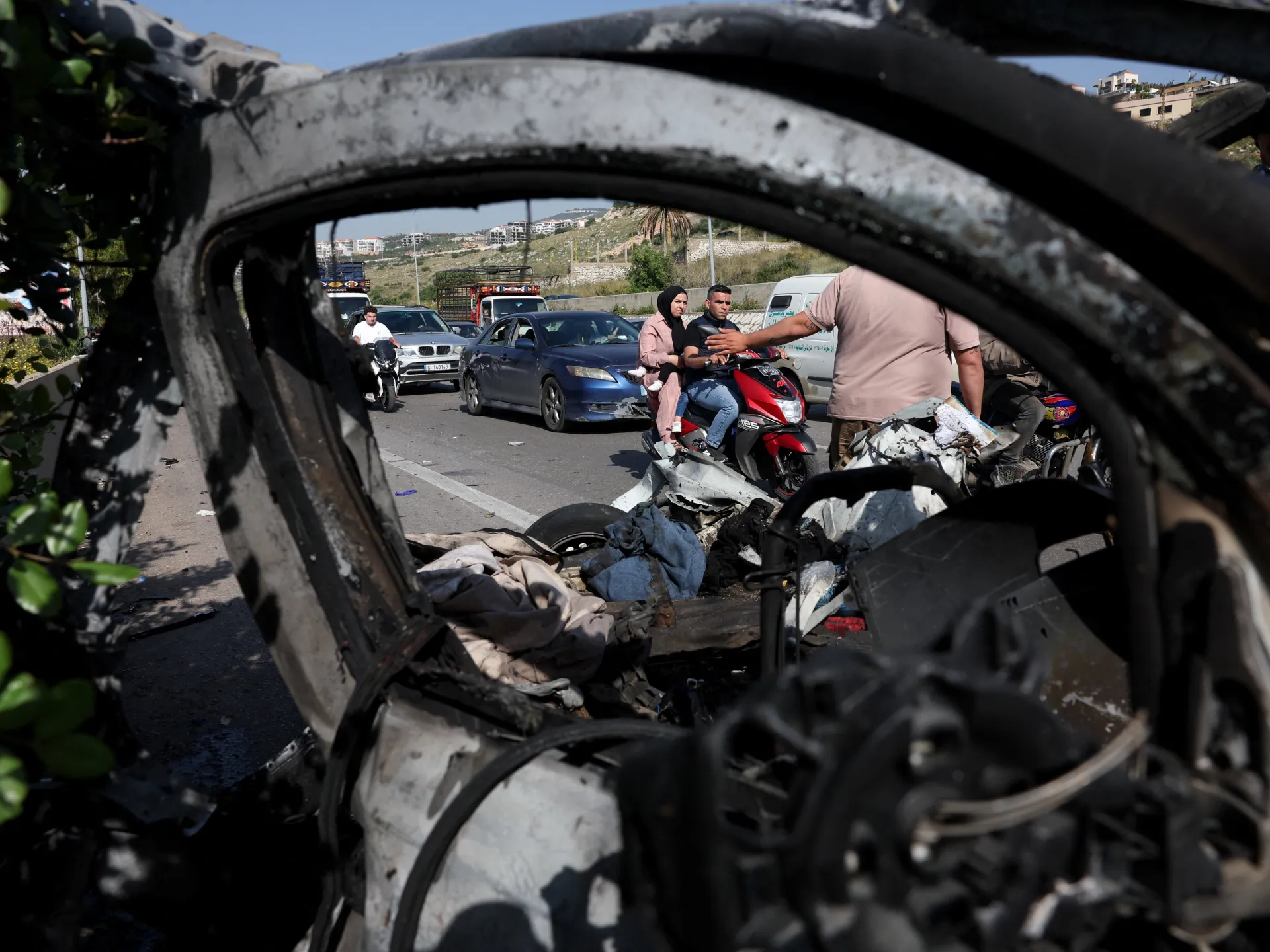
Israeli strikes across southern Lebanon have resulted in at least 19 deaths, including civilians and children, despite a United States-brokered ceasefire now in its third week. The Lebanese Ministry of Public Health confirmed that the violence affected several localities, with the town of al-Saksakieh in the southern Sidon district recording seven fatalities and 15 injuries. Further casualties were reported in Nabatieh, Nahrain, Saadiyat, Haboush, and Mefdoun.
The accumulation of these incidents highlights a significant divergence between diplomatic timelines and the reality on the ground. While the United States announced mediation for new talks scheduled for 14 to 15 May in Washington, DC, Lebanese authorities have made it clear that a cessation of strikes is a prerequisite for any meaningful negotiation. The US Department of State stated that the upcoming discussions aim to advance a comprehensive peace and security agreement addressing the core concerns of both nations.
President Joseph Aoun recently received former Ambassador Simon Karam, who is leading the Lebanese delegation for the Washington mission, and provided him with directives ahead of the trip. However, the exclusion of Hezbollah from these US-mediated talks has created a complex dynamic, with the group continuing to launch artillery and drone attacks on Israeli positions in southern Lebanon and northern Israel. Hezbollah claimed responsibility for strikes in Biyyada, Rachaf, and Misgav Am, while also targeting an Israeli army bulldozer in al-Abbad.
The broader context of the conflict remains severe, with the Lebanese Ministry of Public Health stating that total deaths since the invasion began on 3 March now exceed 2,750. Nearly 500 people have been killed since 16 April alone. Concurrently, the Israeli army has issued new forced displacement orders for several towns, maintaining a buffer zone that prevents the return of hundreds of thousands of displaced people and involves the demolition of houses within the occupied areas.
Reporting from Tyre indicates that there are no signs of a ceasefire on the ground, with the death toll from violent strikes continuing to rise throughout the day. Later on Saturday, Lebanese state media reported additional air attacks on several towns across southern Lebanon, though there was no immediate information regarding casualties from these specific incidents. The Israeli army noted that several explosive drones entered Israeli territory, with air defences intercepting multiple projectiles launched from southern Lebanon.
As diplomatic channels open in Washington, the operational tempo of the conflict remains high, with both sides engaging in active hostilities. The lack of a comprehensive inclusion of all key actors in the current negotiation framework, combined with the ongoing violence and displacement, suggests that the path to a substantive resolution remains obstructed by the immediate reality of the fighting.