Violence persists in southern Lebanon as ceasefire deal fails to halt Israeli strikes
Despite a US-brokered agreement announced on 16 April, fighting between Israel and Hezbollah continues with retaliatory drone attacks and ongoing ground operations in the south
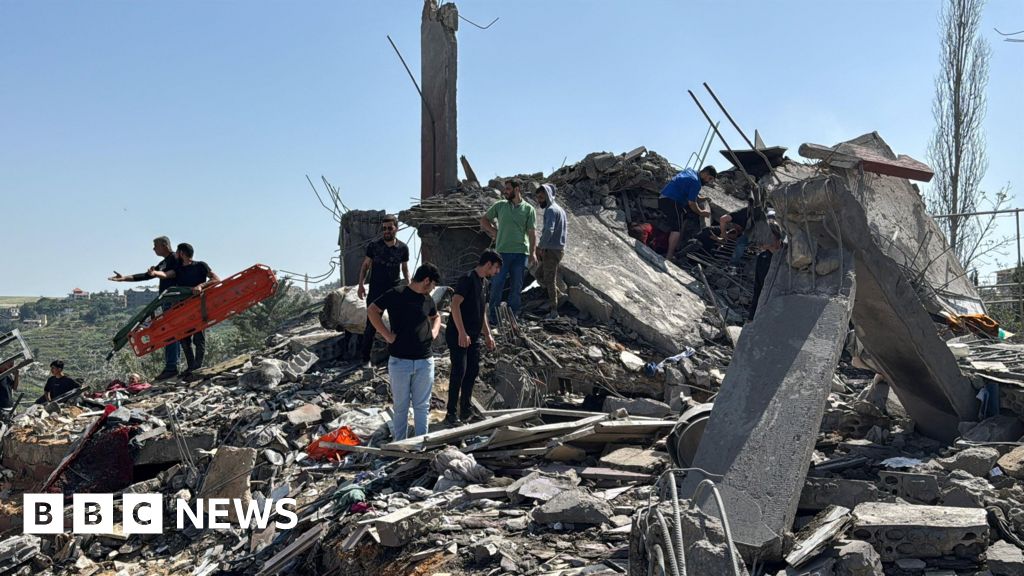
Lebanon's health ministry has reported that Israeli strikes killed 39 people on Saturday, marking a continuation of intense violence despite a ceasefire deal announced by US President Donald Trump on 16 April. The specific toll includes at least seven fatalities in the southern town of Saksakiyeh and the death of a Syrian national alongside his daughter in Nabatieh. These figures highlight the ongoing instability in the region even as diplomatic efforts were intended to de-escalate the conflict.
The details of the recent casualties reveal the indiscriminate nature of the strikes reported by the health ministry. In Saksakiyeh, one strike resulted in seven deaths, including a child, while another incident in Nabatieh involved a triple-drone attack that killed the Syrian father and seriously injured his 12-year-old daughter. The ministry noted that the girl is currently undergoing life-saving surgery, yet it has not distinguished between combatants and civilians in its aggregate casualty counts.
In response to the continued hostilities, Hezbollah launched a drone attack targeting northern Israel. The Israeli military confirmed that the explosive drone was identified near the border and stated that three army reservists were wounded in the incident, with one suffering serious injuries. This retaliatory action underscores the reciprocal nature of the violence that has characterised the conflict since the initial escalation in early March.
The broader context of the conflict remains severe, with the Lebanese health ministry stating that over 120 people have been killed across the country in the last week alone. Since the invasion began on 3 March following the US and Israeli attack on Iran, the total death toll in Lebanon has exceeded 2,795. The ministry reports that nearly 500 people have been killed since the ceasefire was announced, indicating a significant gap between the diplomatic agreement and the reality on the ground.
Israeli forces maintain a 10km strip of occupied territory in southern Lebanon, a zone described as a Hezbollah-free security zone intended to protect northern communities. Since re-entering the area in early March, the military has destroyed several villages in actions similar to those deployed in Gaza. Rights groups have raised concerns that some of these actions could amount to war crimes, while the exclusion of Hezbollah from recent US-mediated talks has further complicated diplomatic efforts.
The persistence of fighting suggests that the ceasefire deal has not effectively curbed military operations. While the agreement was brokered by the United States, both sides have continued to trade fire, with Israeli forces striking infrastructure and people linked to the Iranian-backed militia. The situation remains volatile as the security zone expands and the humanitarian cost of the conflict continues to mount.