US President Trump Rejects Iran Ceasefire Proposal as 'Incredibly Fragile'
Washington views the proposed armistice as dangerously unstable, likening the situation to a state dependent on life-support systems
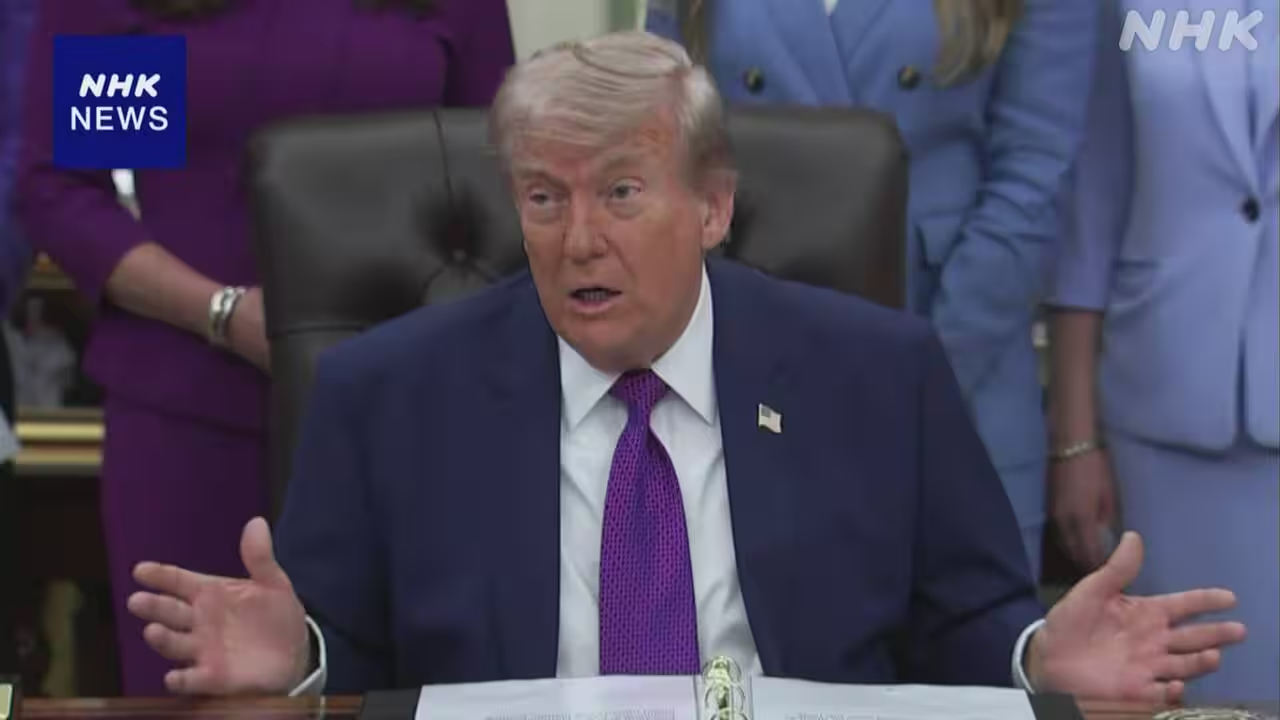
US President Donald Trump has formally rejected a ceasefire proposal submitted by Iran during active negotiations aimed at ending hostilities between the two nations. The White House leadership characterised the Iranian offer as absurd, signalling a continued divergence in positions regarding the terms required to conclude the conflict.
In statements released on 12 May 2026, President Trump described the proposed arrangement as incredibly fragile. He employed a stark metaphor to illustrate the administration's assessment of the situation, comparing the potential ceasefire to a state connected to a life-support system. This imagery underscores the perceived critical nature of the current military standoff from the US perspective.
While the US administration has dismissed the proposal, Iranian officials have maintained that their requirements are not excessive. Despite these assertions from Tehran, the specific terms and conditions of the ceasefire offer remain undetailed in the available reporting. The lack of public detail on the Iranian side contrasts with the explicit rejection received from Washington.
The rejection of this proposal follows a period of heightened diplomatic activity and regional concern. Previous reporting from 11 May highlighted the growing gap between the two sides, with Iran insisting on the reasonableness of its demands while the US administration maintained its refusal to engage with the current framework.
Concurrent with these diplomatic developments, regional tensions persist across the wider area. Japanese shipping companies are reportedly considering alternative routes around the Strait of Hormuz, reflecting the practical risks associated with the ongoing conflict. Furthermore, diplomatic engagement between the US and Japan has intensified, with discussions focusing on financial matters and broader strategic alignment.
The current impasse relies heavily on the interpretation of the US President's subjective judgement regarding the quality of the Iranian proposal. Without corroborating details from the White House or direct quotes from Iranian officials beyond the initial rejection, the precise path forward remains uncertain as negotiations continue to stall.