Victory Day parade in Moscow scaled back as heavy weaponry omitted from Red Square display
President Vladimir Putin is set to address a significantly reduced military show on Saturday, 9 May 2026, following a US-brokered ceasefire that aims to prevent disruption to the festivities.
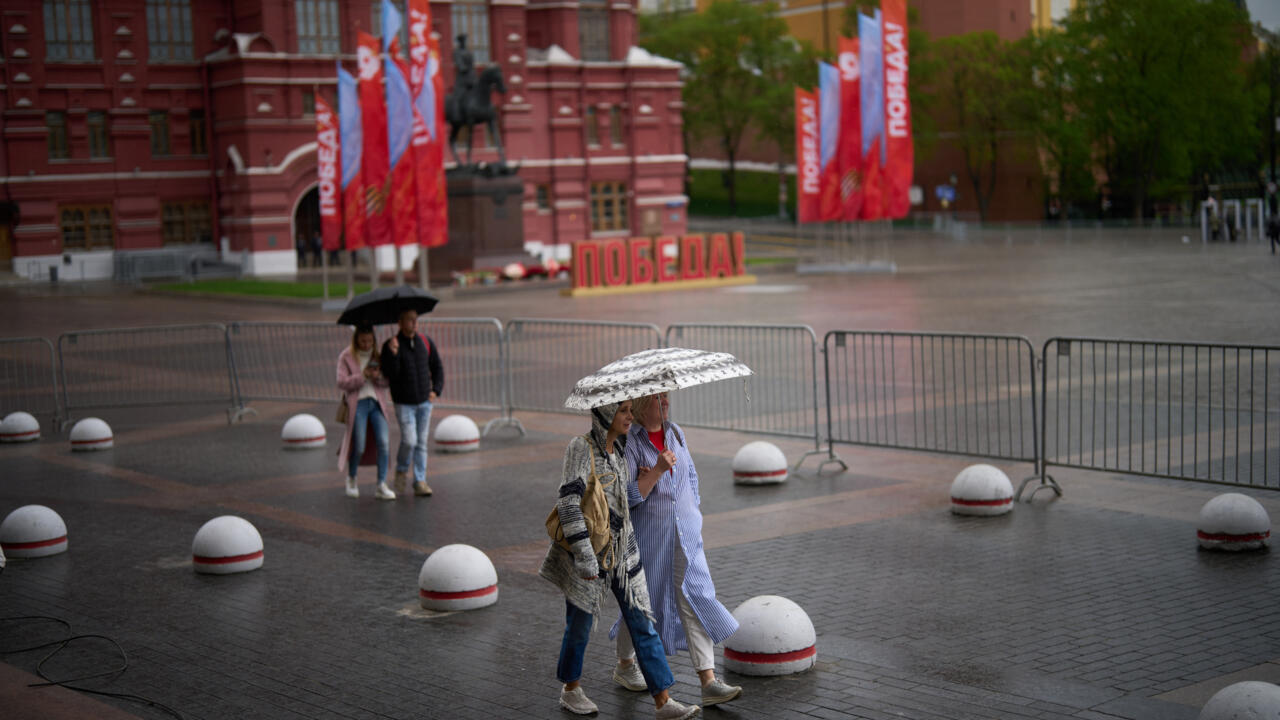
President Vladimir Putin is scheduled to address a Victory Day parade in Moscow's Red Square on Saturday, 9 May 2026, marking a significant departure from recent traditions. For the first time in nearly two decades, the event will be stripped of its heavy weaponry, with no tanks, missiles, or other ground-based armaments displayed. Officials have confirmed that the only military component will be a flyover of combat jets, a move attributed to the current operational situation and specific fears of Ukrainian drone attacks.
The decision to scale back the display coincides with a fragile truce facilitated by US President Donald Trump. A three-day ceasefire, running from Saturday through Monday, has been announced to ensure the safety of the commemorations, which traditionally serve as a showcase of Russia's military might and a rallying point for national pride. This follows years of conflict where the holiday was used to underline Moscow's position as a global power, despite the war in Ukraine entering its fifth year.
In an effort to secure the event against potential disruption, Russian authorities have implemented stringent measures across the capital. Mobile internet access and text messaging services have been temporarily restricted to prevent the coordination of attacks or the spread of unverified information. Kremlin spokesman Dmitry Peskov dismissed warnings from Ukrainian President Volodymyr Zelensky regarding drone threats as a "silly joke," asserting that Russia does not require permission to celebrate its victory.
Diplomatic attendance remains a key feature of the day, with leaders from Kazakhstan, Uzbekistan, Belarus, and Malaysia expected to be present in the Russian capital. However, the participation of Slovak Prime Minister Robert Fico will be limited; while he is confirmed to meet with President Putin and lay flowers at the Tomb of the Unknown Soldier, he plans to avoid the main parade in Red Square. This contrasts with previous years where the event featured a broad array of heavy equipment, including nuclear-tipped intercontinental ballistic missiles, every year since 2008.
The security posture reflects the ongoing volatility of the conflict, with the Russian Defense Ministry issuing a stark warning of a "massive missile strike" on Kyiv should the festivities be disrupted. While the EU stated its diplomats would not leave the Ukrainian capital despite such threats, the situation underscores the delicate balance required to hold such a significant state event amidst active hostilities. The reduction in visible military hardware signals a shift in how the regime intends to manage the optics of the celebration under these constrained conditions.