Victims’ groups question readiness of UK’s new offender restriction zones
Campaigners argue the Ministry of Justice has prioritised headlines over operational detail, leaving key questions on eligibility and monitoring capacity unanswered ahead of the October rollout.
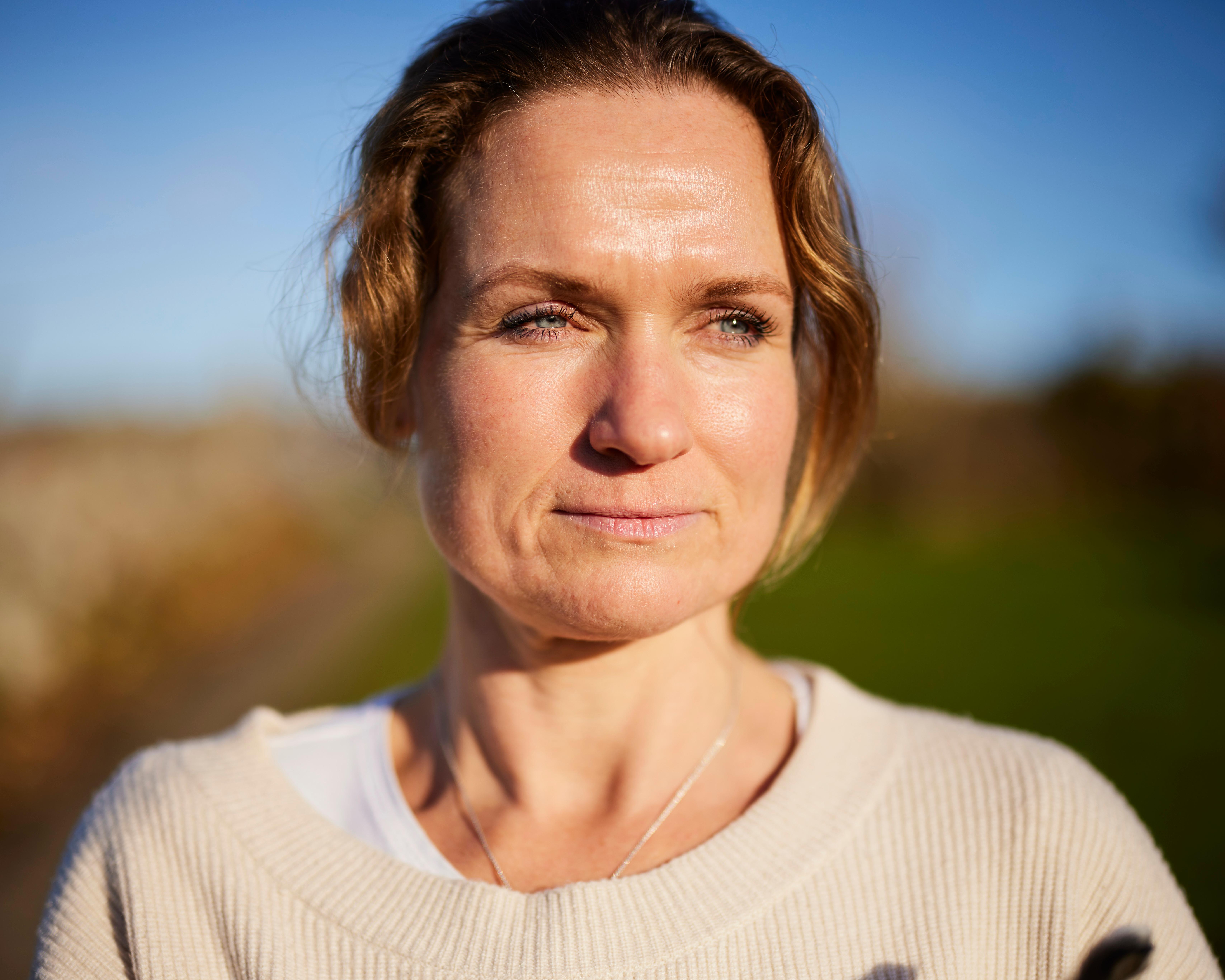
Survivors of violent crime and victims’ families have criticised the UK Ministry of Justice (MoJ) for announcing plans to introduce “world first” restriction zones without providing sufficient operational detail. The scheme, set to be introduced in October in England and Wales, will use tagging technology to confine serious sexual and violent offenders to specific areas of a few miles.
Key campaigners, including Rhianon Bragg and Hetti Barkworth-Nanton, argue that ministers are seeking headlines before a working system is ready. Bragg, who became a leading voice on domestic violence after being stalked and held hostage at gunpoint by her ex-partner, stated that the announcement leaves critical questions unanswered regarding eligibility, implementation, and monitoring capacity.
Justice Secretary Alex Norris announced the scheme, describing it as a “more rigorous” version of existing exclusion zones, which currently ban offenders from specific locations such as a victim’s home or place of work. Norris stated that no victim should “fear the shadow of an abuser,” though campaigners noted that the definition of “serious” offenders remains vague, potentially excluding some domestic abuse cases that pose significant risks.
Bragg and Barkworth-Nanton wrote to the government before the parliamentary recess requesting a meeting to discuss specifics, but no meeting had taken place as of the source date. Barkworth-Nanton, co-founder of the Joanna Simpson Foundation, emphasised that the size of the zone is less critical than its distance from the victim and the capacity of the Probation Service to monitor compliance.
The MoJ stated that further details would be announced “in due course” and that the government would work closely with victims’ groups and other stakeholders as the scheme is rolled out. However, campaigners warn that the lack of transparency creates uncertainty and trauma for victims who do not know if their specific offender will be subject to the new restrictions.
Natalie Queiroz, a victims’ advocate in the West Midlands, highlighted concerns that many domestic abuse offenders who still pose a significant risk may not fall under the definition of “serious sexual and violent offenders.” She argued that the effectiveness of the zones relies heavily on proper monitoring and clear commitments to investment in active oversight.