Venezuela’s power cuts test government response as protests grow
Daily outages are disrupting households, businesses and medical care. The government cites El Niño and has pledged new generation, while an energy specialist points to neglected infrastructure and rising demand from oil production.
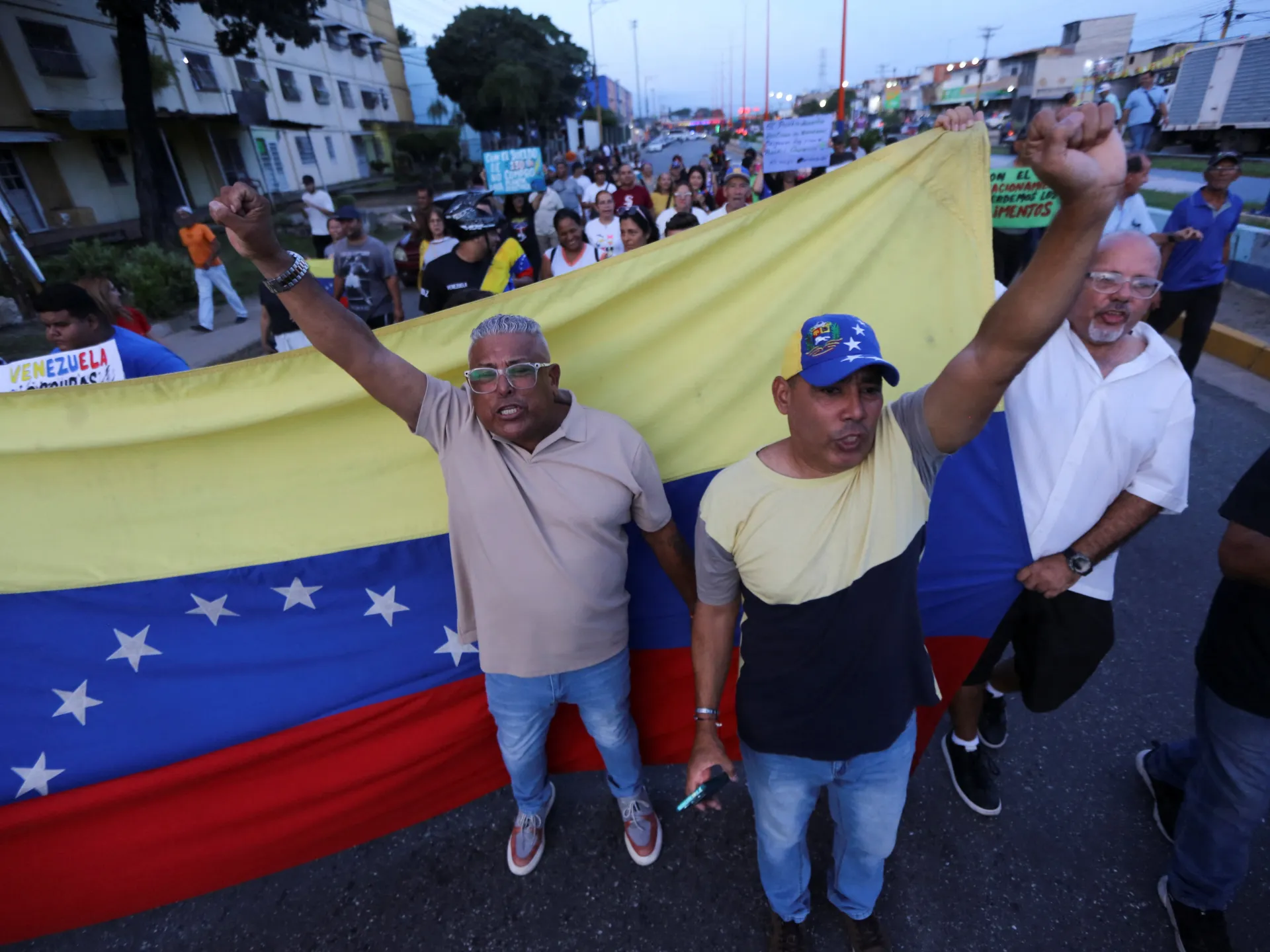
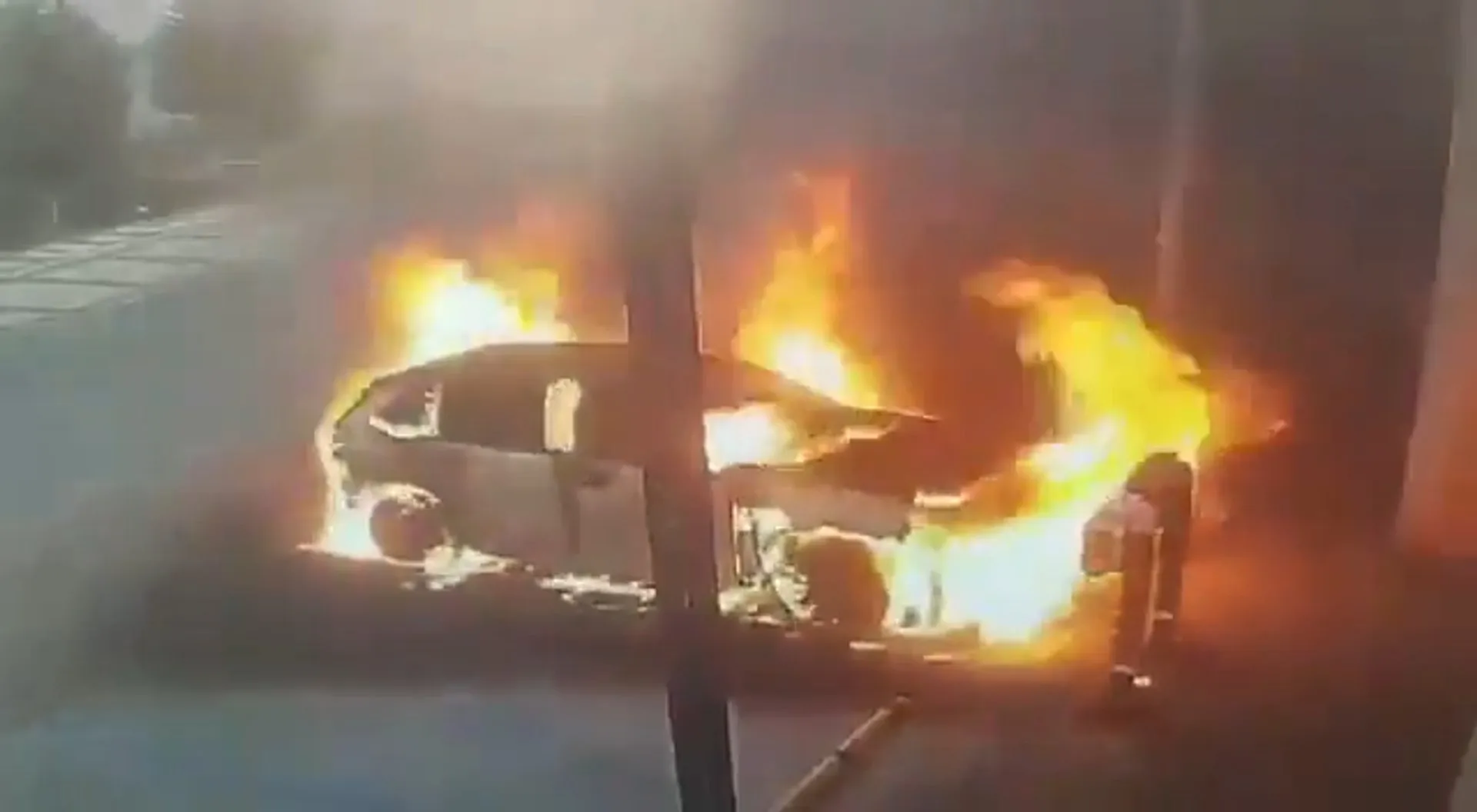
Power cuts across Venezuela are disrupting homes, businesses and essential services, including dialysis treatment, as public frustration spills into protests. Demonstrators have banged pots and pans, blocked roads and set tyres alight.
Residents in parts of Carabobo told Al Jazeera that outages now occur daily and can last about seven hours. In Valencia, interruptions have affected a dialysis patient’s treatment after a clinic’s emergency batteries ran down and its backup generator stopped working.
A study by ANOVA Policy Research, cited by Al Jazeera, found 62.8 per cent of households experienced daily electricity cuts in 2026, up from 37.1 per cent in 2024. Only 6.9 per cent reported continuous supply. The package does not provide details of the study’s methodology.
Interim President Delcy Rodríguez’s government attributes the crisis to El Niño and says it plans to add 1,300 megawatts of generation in the final quarter of 2026. It has also required energy companies to invest in their own electrical infrastructure.
Energy specialist Nelson Hernandez points to ageing infrastructure and management failures, while saying increased oil production is adding pressure to the grid. OPEC figures cited by Al Jazeera put output at 1.201 million barrels a day in August, up from 924,000 in January. The report does not quantify how much climate conditions, infrastructure or oil demand each contribute to outages.