Venezuela’s new slogan tests the limits of political change
Chávez and Maduro imagery is being covered across Caracas as the interim government promotes “Venezuela renace”, but institutional change remains unresolved.
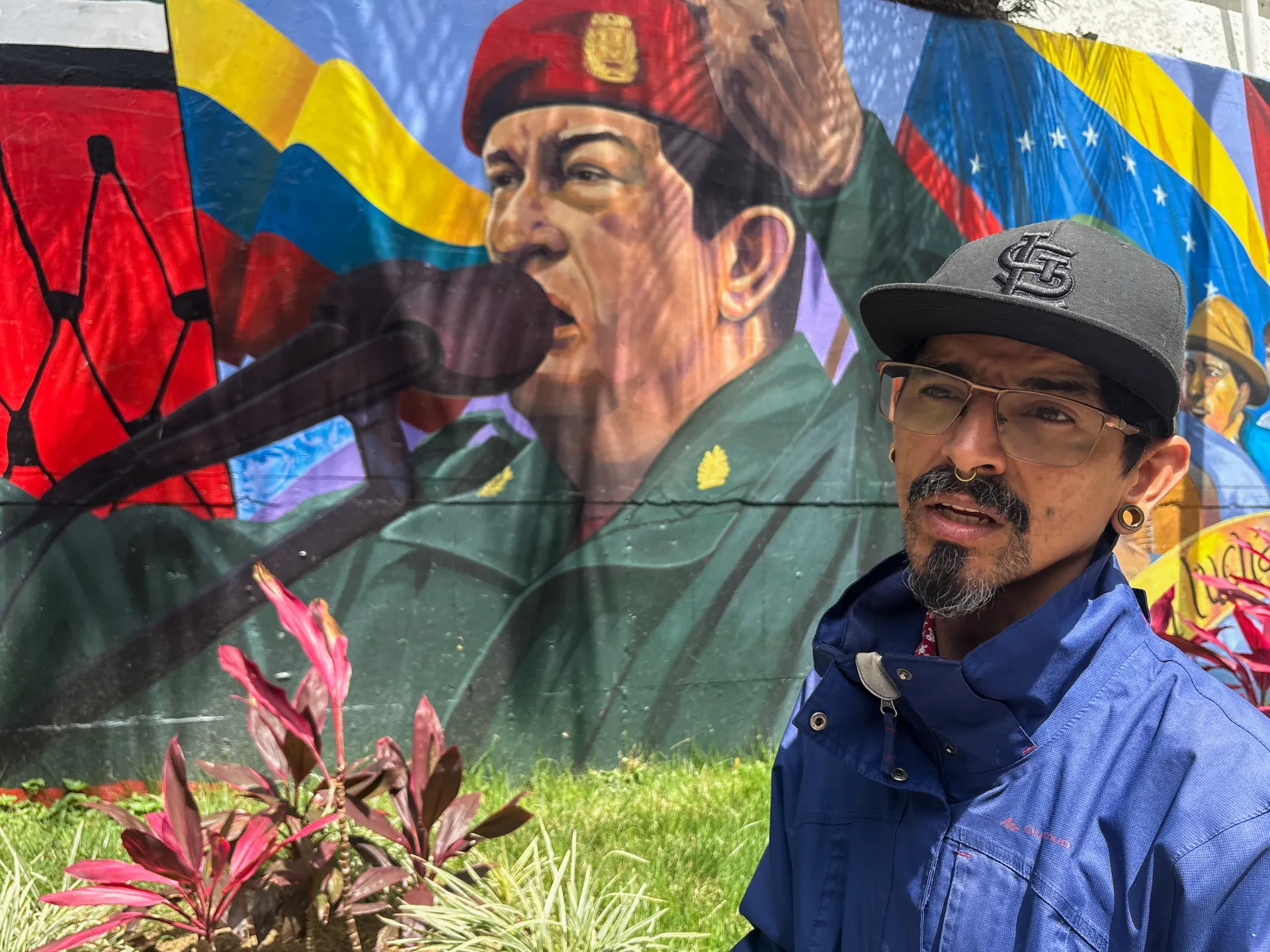
Murals, portraits and billboards depicting Hugo Chávez and Nicolás Maduro are being removed or covered across Caracas as interim President Delcy Rodríguez’s government promotes the slogan “Venezuela renace”, or “Venezuela reborn”.
At the Palace of Justice, portraits of Chávez and independence leader Simón Bolívar have reportedly been covered by blue banners carrying the new slogan. Similar blue-and-yellow signs have appeared on government housing blocks and alongside major roads.
The campaign began after twin earthquakes struck Venezuela on 24 June, killing at least 6,500 people, according to Al Jazeera Global News. After criticism of the initial response, the government made reconstruction central to its public messaging, promising temporary accommodation, new housing before the end of 2026 and subsidies for affected families.
The imagery shift has exposed divisions over the future of chavismo, the political movement established under Chávez and continued by his successors. Supporters of the former president regard preserving his murals as resistance, while opponents see them as symbols of repression and government violence.
Political scientist Orlando Perez described the new branding as an effort by Rodríguez to establish an identity based on reconstruction rather than revolutionary history. But Irina Troconis, an author who has written about Chávez’s influence, warned that chavismo has repeatedly adapted through rebranding without necessarily undergoing substantive internal change.
The government has also begun negotiations with opposition lawmakers, including talks over institutional and electoral guarantees. An agreement reached in August would overhaul the government-aligned Supreme Court, but no new electoral calendar has been announced. The supplied reporting indicates that public symbols have shifted faster than the country’s institutions.