Venezuela earthquake response stalls as 12,500 remain in camps
Two months after twin earthquakes struck La Guaira, survivors continue to face exposure to the elements and limited access to essential medical services and humanitarian aid.
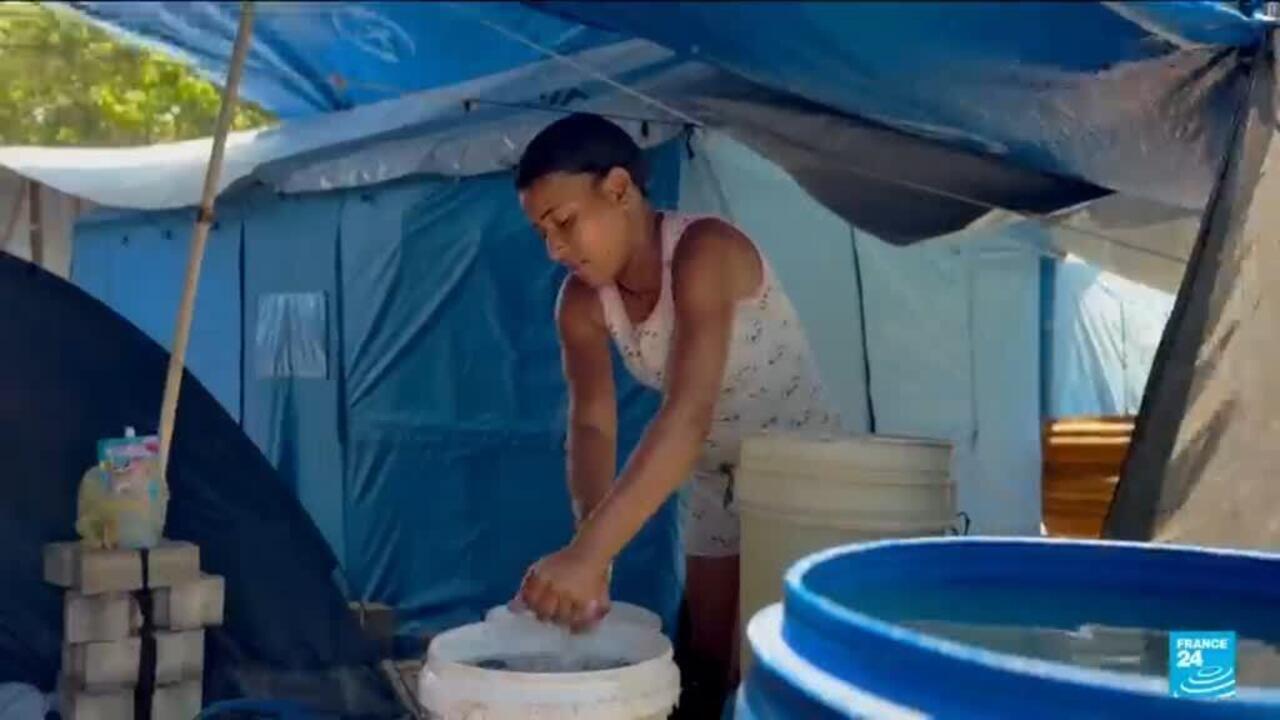
Two months after two earthquakes struck Venezuela, the scale of the displacement crisis in La Guaira remains significant, with more than 12,500 people still residing in temporary camps. The persistence of this population in makeshift accommodation highlights the ongoing challenges in the immediate post-disaster governance response.
Survivors in these camps are reported to be struggling to come to terms with the loss of both their homes and loved ones. The psychological toll of the disaster is compounded by the physical environment, where residents have been forced to adapt to precarious living conditions.
The primary operational challenges facing the displaced population include direct exposure to the elements. Without adequate shelter infrastructure, survivors are vulnerable to weather conditions that exacerbate the strain on their daily survival.
Access to essential services remains a critical concern. Reports indicate that there is little access to medical care and humanitarian aid within the camps. This shortage of resources suggests that the distribution mechanisms for emergency relief may not be reaching all affected individuals effectively.
France 24 reporters Herminia Fernández and Julio Uribarris visited three specific camps housing earthquake survivors to assess the situation on the ground. Their observations confirm that the temporary nature of the shelters has not yet transitioned into a more stable housing solution for the affected families.
The situation in La Guaira underscores the gap between the initial shock of the seismic events and the longer-term institutional response required to restore normalcy. As the two-month mark passes, the focus shifts to the sustainability of aid delivery and the pace of reconstruction.