Venezuela declares state of emergency as twin earthquakes kill 32 and injure over 700
Acting President Delcy Rodríguez warns of rising casualty figures as the US and regional neighbours offer humanitarian aid following the country’s most significant seismic event in over a century.
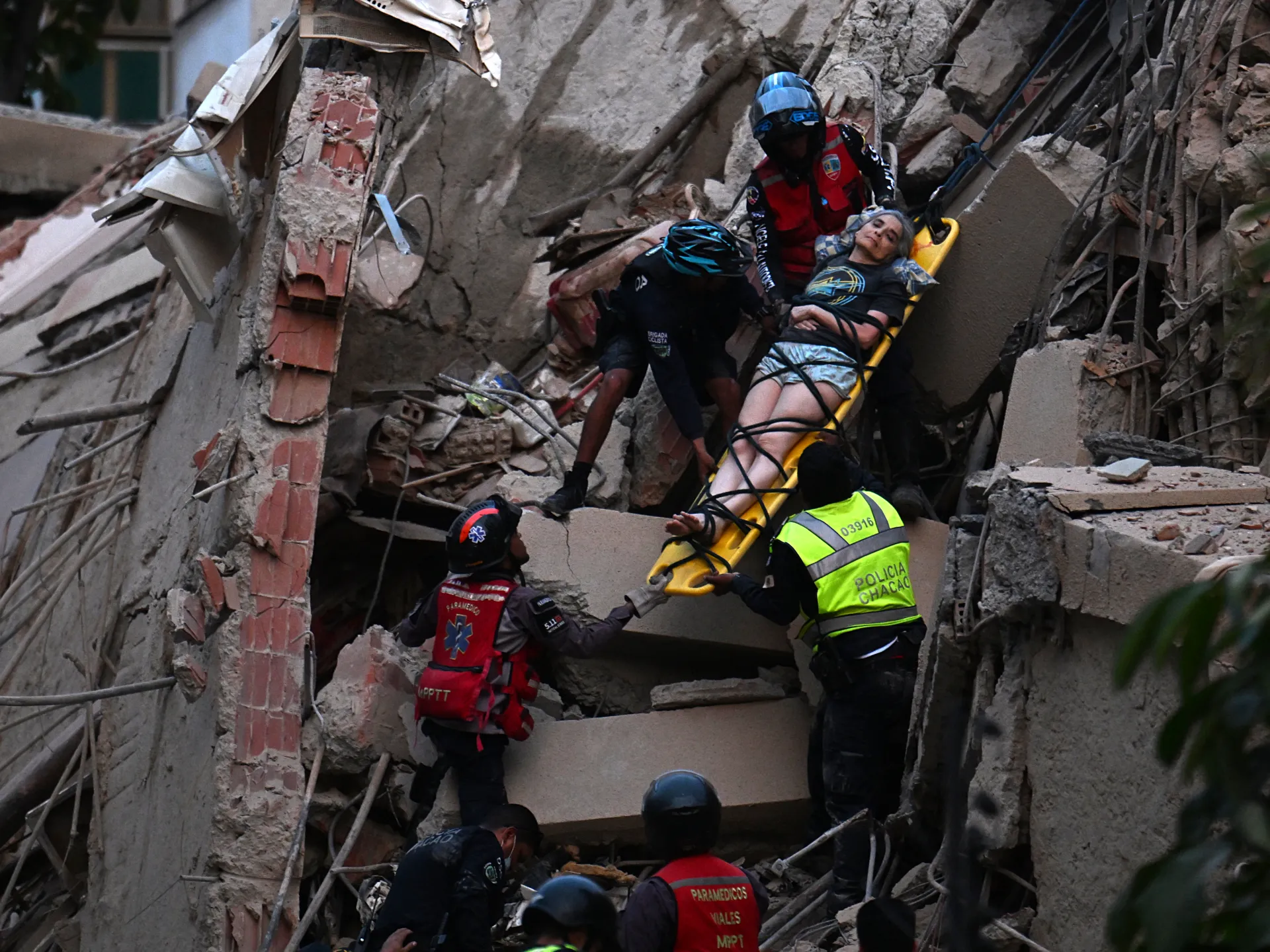
Venezuela has declared a state of emergency in the La Guaira region following twin earthquakes that killed at least 32 people and injured more than 700. The seismic events, measuring magnitude 7.2 and 7.5, struck within a minute of each other near the coastal town of Morón, approximately 170km west of the capital, Caracas. Acting President Delcy Rodríguez described the situation in La Guaira as a "true tragedy" and a "disaster zone," noting that dozens of buildings had collapsed.
The intensity of the tremors triggered significant structural failures across Caracas. Simón Bolívar International Airport was closed due to serious damage, and metro services in the capital were suspended. Residents reported widespread power outages and loss of phone coverage, prompting many to remain in the streets overnight. Interior Minister Diosdado Cabello advised citizens to avoid damaged homes amid ongoing aftershocks and ordered the cutting of gas supplies to prevent fires.
Rodríguez warned early on Thursday that the death toll was expected to rise as rescue teams accessed collapsed structures and remote areas. The twin quakes are among the strongest to hit Venezuela in more than a century, a notable event in a country where major seismic activity is relatively rare compared to other parts of Latin America. The tremors were felt as far away as Colombia and Brazil’s Amazon region.
International response has begun to materialise, with the United States and several Latin American governments offering search-and-rescue and humanitarian assistance. The countries providing aid include Brazil, Mexico, Ecuador, and Bolivia. The offer of assistance highlights the regional concern over the scale of the disaster and the capacity of local authorities to manage the aftermath.
As recovery efforts commence, the focus remains on stabilising infrastructure and accounting for those missing in the hardest-hit zones. The suspension of transport and communication services in the capital underscores the immediate logistical challenges facing the government as it coordinates the emergency response.