Venezuela Announces Withdrawal from International Criminal Court Over Bias Claims
The announcement, confirmed via Al Jazeera on 27 July 2026, marks a significant diplomatic shift as Caracas challenges the institution’s perceived alignment with Western interests.
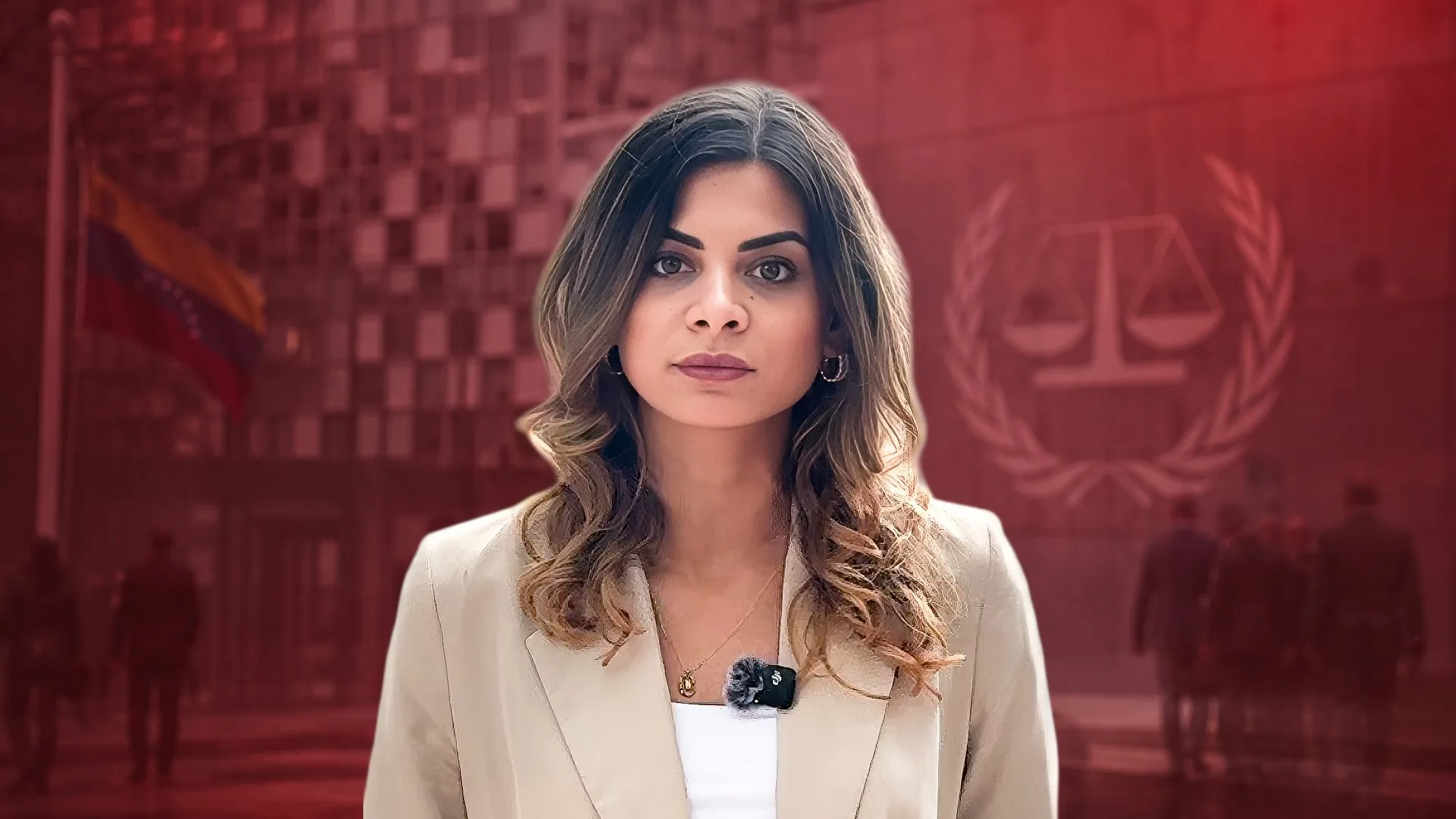
Venezuela has formally announced its withdrawal from the International Criminal Court (ICC), a permanent tribunal established to prosecute individuals for genocide, crimes against humanity, war crimes, and the crime of aggression. The decision, reported by Al Jazeera Global News on 27 July 2026, represents a direct challenge to the court’s institutional authority and highlights growing tensions between certain Global South nations and international legal bodies.
The Venezuelan government has justified the move by citing accusations of bias against the Global South. This term generally refers to developing nations in Africa, Latin America, Asia, and Oceania, often characterised by historical colonialism and ongoing economic disparities. By framing the withdrawal around these allegations, Caracas is positioning the exit as a response to perceived systemic prejudice rather than a reaction to specific legal proceedings against its own officials.
It is crucial to note that the claim of bias remains an accusation made by the Venezuelan government and should be reported as such, rather than as an established fact. The precise diplomatic or legal mechanisms Venezuela is using to effectuate this exit are not specified in the available reporting. Consequently, while the political announcement has been made, the withdrawal is subject to international law procedures and has not yet been finalised as a legal reality.
The specific legal timeline for the withdrawal’s effectiveness is not detailed in the source material. Under the Rome Statute, ICC withdrawals typically require a one-year notice period before they take effect. This procedural gap means that Venezuela remains a party to the court’s jurisdiction for the immediate future, despite the government’s declared intent to leave.
This development underscores the ongoing geopolitical friction surrounding the ICC’s jurisdiction and its perceived focus on African and Latin American leaders. As Venezuela moves to disentangle itself from the tribunal, the move may encourage other nations to re-evaluate their commitments to international criminal justice, potentially reshaping the court’s operational landscape in the coming years.