Venezuela and Israel restore consular ties in diplomatic realignment
Interim President Delcy Rodriguez’s administration moves to strengthen ties with Israel following earthquake relief efforts and a broader pivot toward US-aligned governance.
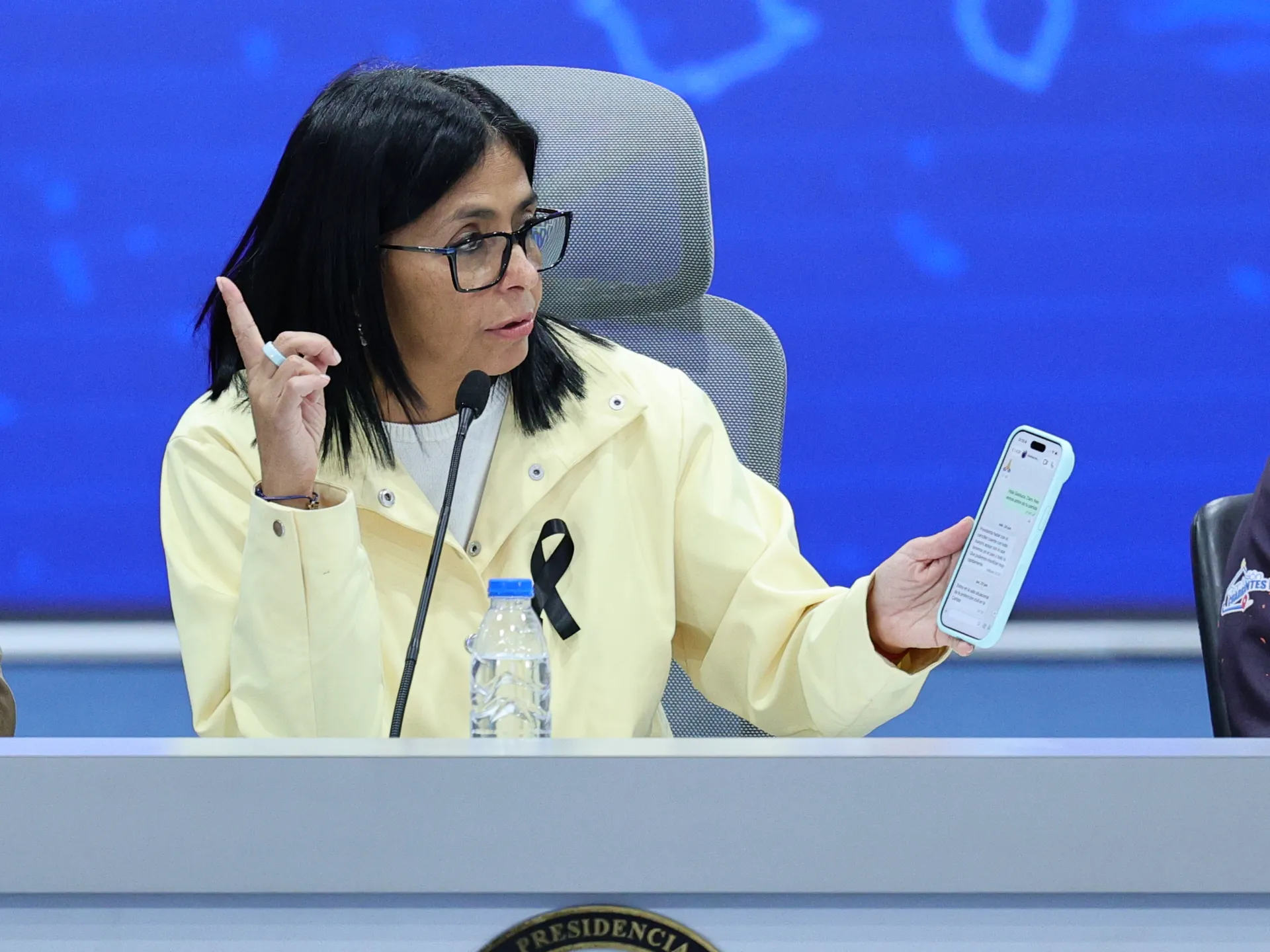
Venezuela and Israel have formally agreed to restore consular relations, a decision announced jointly by both governments on Tuesday that signals a significant departure from the hostile posture maintained under former leader Nicolas Maduro. The agreement establishes a coordination mechanism for consular services and confirms the continuation of bilateral technical cooperation, effectively reversing the severance of diplomatic ties that occurred in 2009.
The restoration of these ties follows the deployment of an Israeli team to Venezuela to assist with recovery efforts after twin earthquakes devastated the country. Felix Plasencia Gonzalez, Venezuela’s minister of foreign relations, confirmed the development via a statement on X, citing the emergency response as a catalyst for the renewed engagement. The statement outlined the mutual commitment to providing consular services to citizens residing in both nations.
This diplomatic shift occurs within the context of a major geopolitical realignment under interim President Delcy Rodriguez. Since the abduction of Maduro in January, Rodriguez has pursued closer alignment with the United States and its allies, a move that includes distancing Venezuela from its longtime partner, Cuba. The interim president has also hewed closely to the administration of US President Donald Trump, reflecting a broader strategic pivot away from the ideological opposition to Israel that characterised the previous administration.
The Israeli government’s Spanish-language account described the agreement as a recognition of the bond between the State of Israel and the Jewish community in Venezuela, framing the move as a historical bridge of friendship. While consular relations facilitate services for travellers and do not constitute full diplomatic re-establishment, they typically indicate a warming of bilateral relations and a willingness to engage on practical matters.
The development mirrors a wider trend across Latin America, where several nations are strengthening ties with Israel following shifts in local leadership. Recent elections of right-wing candidates in the region have spurred a push to repair relations strained by the conflict in Gaza. Chile and Honduras recently restored their ambassadors to Israel, while Argentinian President Javier Milei announced the relocation of Argentina’s embassy to Jerusalem.
Colombia’s new right-wing president, Abelardo de la Espriella, also recognised Israel’s claim of sovereignty over the occupied Syrian Golan Heights upon taking office last week, a stance that reverses the position of his predecessor, Gustavo Petro. The United Nations considers the Golan Heights part of Syria, highlighting the significant policy changes occurring across the region.
In July, Venezuela announced its withdrawal from the International Criminal Court, citing alleged bias against the Global South. This move aligns with the Trump administration’s antagonistic approach to the tribunal, which has pledged to disable the institution. The convergence of these policy shifts suggests a coordinated effort by the new Venezuelan leadership to integrate with Western-aligned governance structures.