Vatican urges ‘disarming’ of AI in first encyclical by Pope Leo XIV
Pope Leo XIV’s first encyclical, “Magnifica Humanitas”, calls for robust legal frameworks and independent oversight to prevent artificial intelligence from becoming an instrument of domination, exclusion, and death.
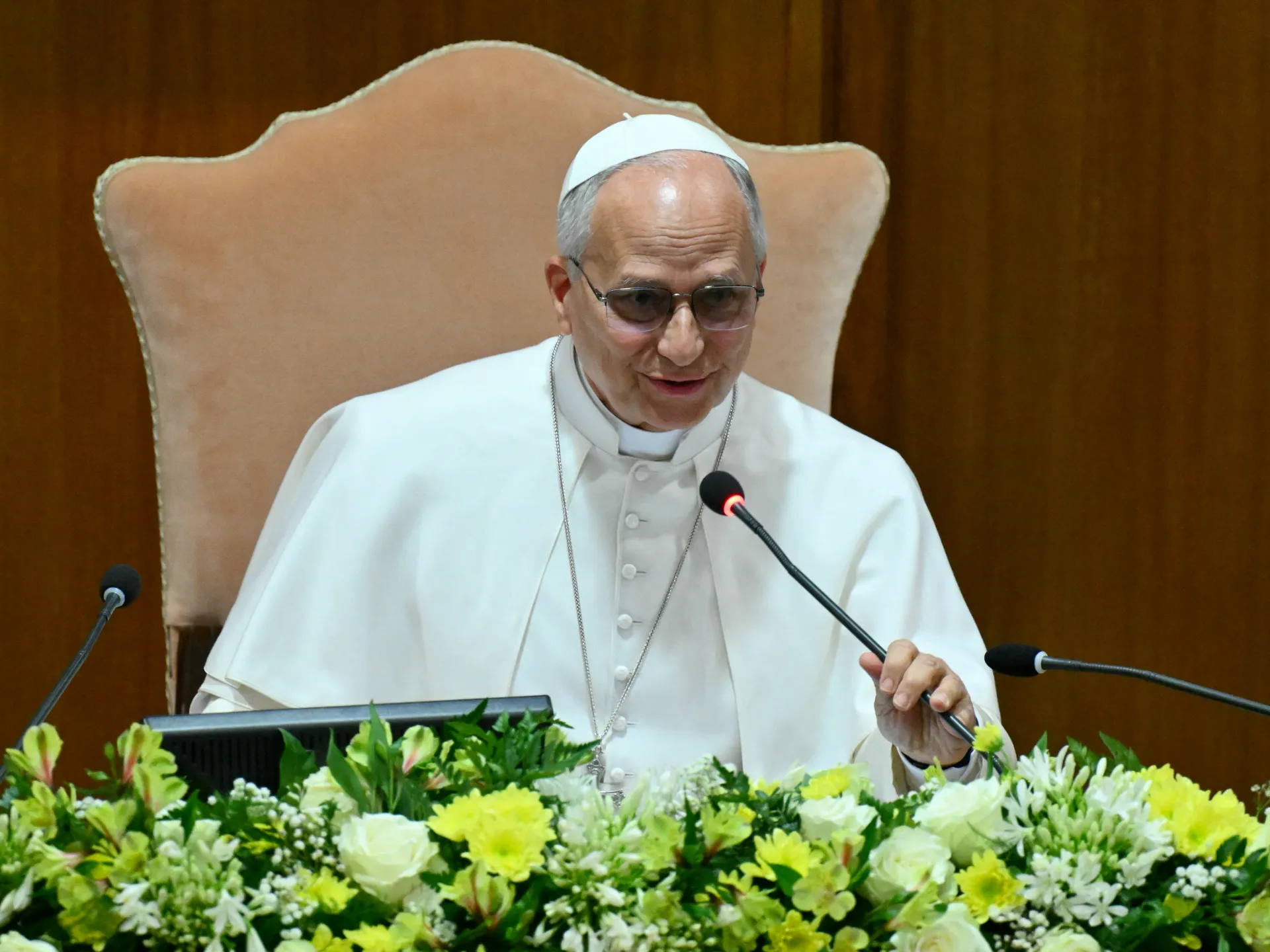
Pope Leo XIV has issued his first encyclical, titled “Magnifica Humanitas”, urging the “disarming” of artificial intelligence to prevent what he described as new forms of slavery and systemic domination. The 43,000-word document, presented at the Vatican on Monday, warns against a “race for ever more powerful algorithms and larger datasets” driven by geopolitical or commercial interests, insisting that AI data ownership must not remain solely in private hands.
The Pontiff argued that technology governed by a small group cannot serve the common good, drawing historical parallels to the societal shifts triggered by the Industrial Revolution. He insisted that AI, like nuclear energy, must be placed at the service of all and called for “robust legal frameworks, independent oversight, informed users and a political system that does not abdicate its responsibility”. Leo stated that what is needed is “a more active political involvement that is capable of slowing things down when everything is accelerating”.
The encyclical also condemned AI-directed weaponry, stating that it is “not permissible to entrust lethal” decisions to technology. In a direct challenge to current US foreign policy, Leo rejected the “just war” theory recently espoused by the administration of US President Donald Trump, describing it as “outdated” and asserting that “no algorithm can make war morally acceptable”. This stance follows recent clashes between the Vatican and the White House over the US-Israel war on Iran and the administration’s use of religion to justify conflict.
The document was presented alongside Christopher Olah, co-founder of US AI company Anthropic, highlighting the intersection of religious authority and technological governance. Anthropic is currently involved in a legal battle with the United States military regarding its opposition to the use of its technology for lethal autonomous warfare and mass surveillance. Olah stated that AI companies operate within incentives that can conflict with ethical outcomes and welcomed external input from the Catholic Church to help push events in a better direction.
Olah highlighted three urgent areas requiring attention: the risk of widespread job losses, the need for global distribution of AI benefits, and the challenge of interpreting opaque system behaviour. The encyclical, which has been in development since Pope Leo’s election a little more than a year ago, frames AI as a lens to examine entrenched societal issues such as inequality, democratic erosion, and the concentration of power within a tech elite.