Vatican urges ‘disarming’ of AI in first encyclical by Pope Leo XIV
In a 200-page document released on Monday, Pope Leo XIV draws parallels between artificial intelligence and the Industrial Revolution, calling for stricter oversight and the inclusion of broader societal perspectives in tech development.
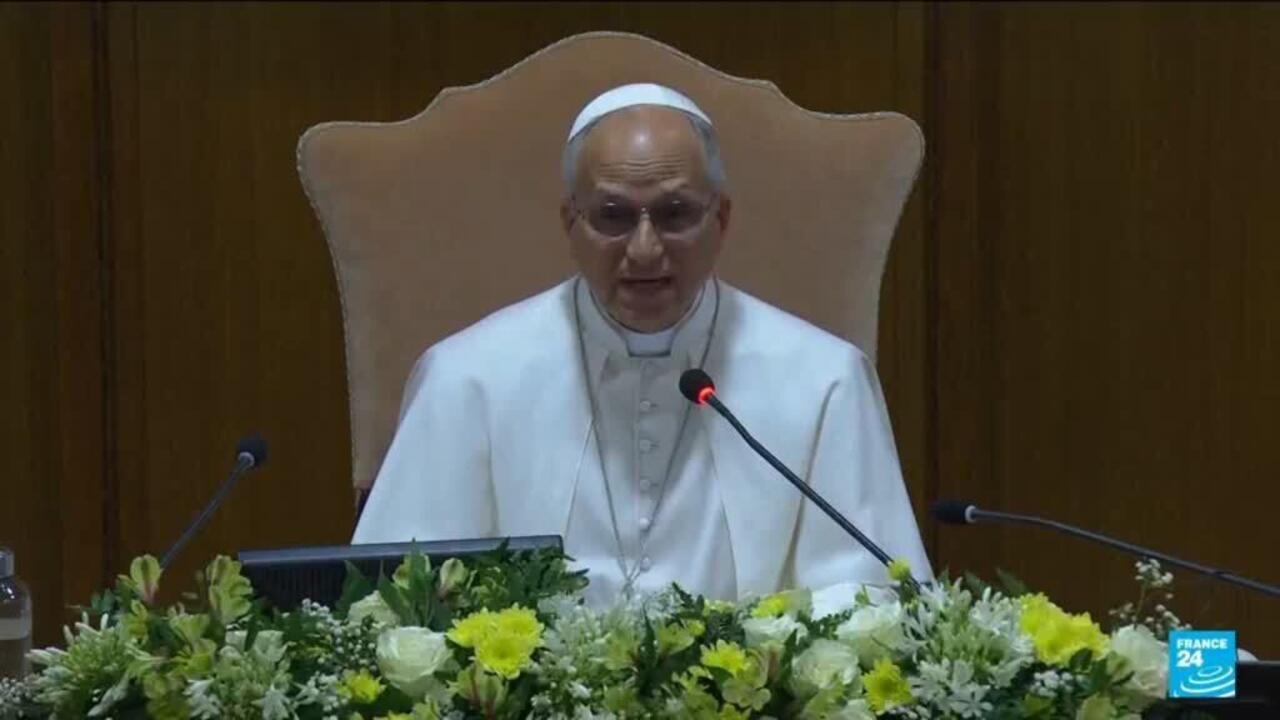
Pope Leo XIV has issued his first encyclical, titled Magnifica Humanitas, presenting a stark warning that artificial intelligence must be “disarmed” to safeguard humanity. Released at the Vatican on Monday, the 200-page document frames the rapid advancement of AI as a defining challenge of the modern era, drawing historical parallels to the societal shifts triggered by the Industrial Revolution.
The Pontiff argued that without effective oversight, the technology risks deepening global conflicts and dehumanising society. In his address, joined by Anthropic co-founder Chris Olah, the Pope emphasised that technology governed by a small group cannot serve the common good. He called for broader regulation and the inclusion of diverse voices in the development of AI systems to ensure they align with ethical standards and public interest.
The encyclical utilises artificial intelligence as a lens to examine entrenched societal issues, including inequality, democratic erosion, and the concentration of power within a tech elite. By highlighting these risks, the document suggests that the current trajectory of technological governance poses significant threats to social cohesion and democratic institutions.
Pope Leo XIV’s intervention marks a significant moment in the intersection of religious authority and emerging technology. By characterising AI as a force that requires “disarming,” the Vatican is signalling a shift towards viewing unchecked technological growth as a moral and political hazard rather than merely an economic opportunity.
The call for diverse oversight reflects a growing concern among global leaders about the lack of transparency in how AI models are created and deployed. The encyclical urges that the development of these systems must move beyond the control of a limited elite to prevent the exacerbation of existing power imbalances.
As the debate over AI regulation intensifies worldwide, the Vatican’s stance adds a moral dimension to the policy discussion. The document serves as a reminder that the governance of powerful technologies requires not just technical solutions, but a broad consensus on their role in human society.