Vance: Economic pressure is key to US-Iran stalemate
US Vice President JD Vance has described the current diplomatic dynamic with Iran as a "delicate dance," arguing that sustained economic pressure remains the most effective lever for Washington to achieve its strategic objectives.
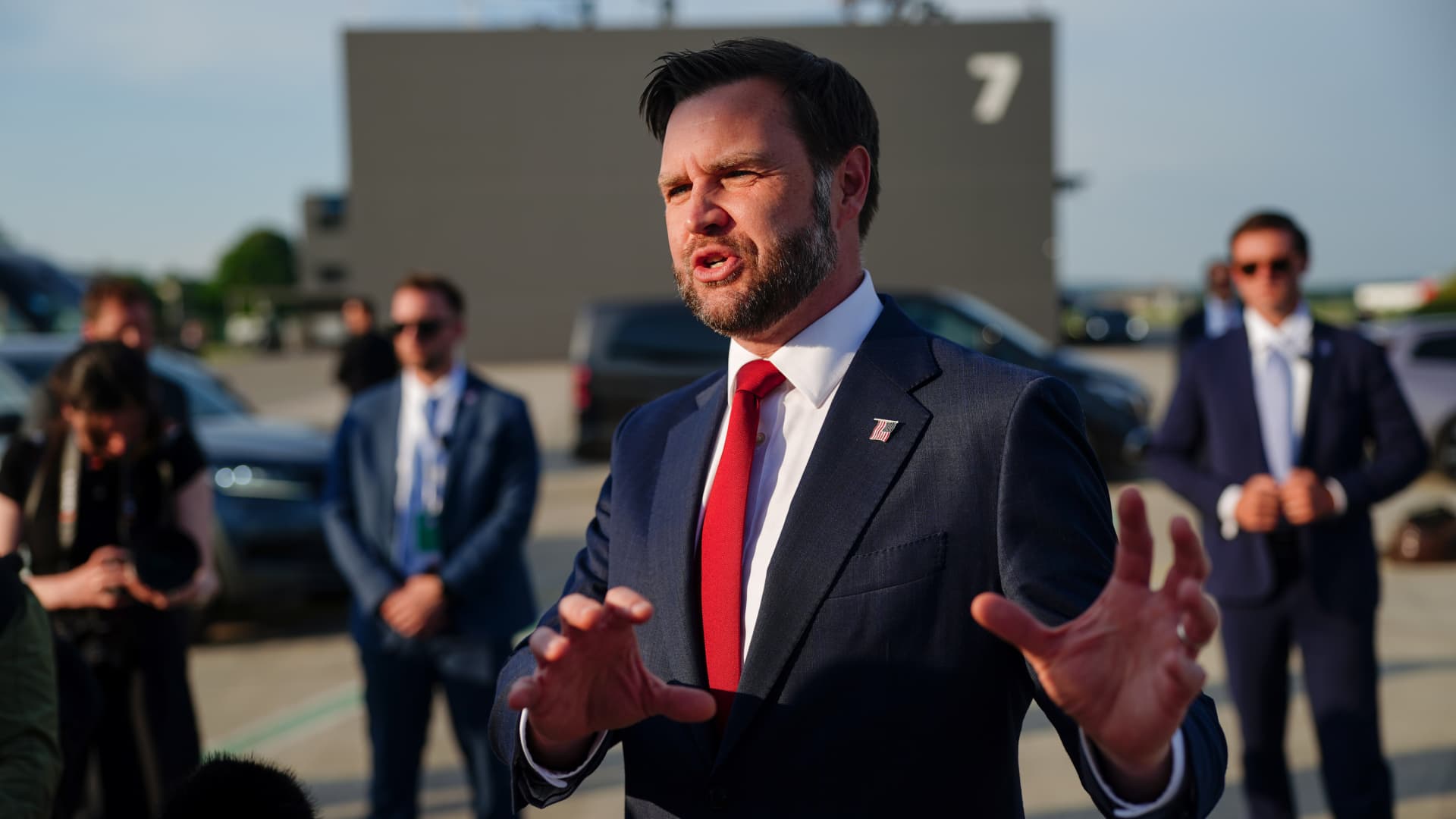
US Vice President JD Vance has characterised the ongoing standoff with Iran as a "delicate dance," asserting that economic pressure is the superior tool for Washington to achieve its final objectives in the region. Speaking on the current state of play, Vance noted that the dynamic has shifted significantly in recent weeks, with Tehran bearing the brunt of the intensity.
According to Vance, the balance of pressure has tilted decisively against Iran. "What has been true over the last couple of weeks is they felt a lot more pressure than we have," he stated. This assessment comes as the administration seeks to break a diplomatic deadlock that has persisted since the US withdrew from the 2015 Joint Comprehensive Plan of Action.
The shift towards economic isolation marks what Vance described as a "new phase" of the conflict. This strategy follows President Trump’s earlier declaration of an "economic D-Day," a move intended to leverage financial mechanisms to force concessions from Tehran. By focusing on economic tools rather than immediate military escalation, the administration aims to maintain leverage while managing broader regional risks.
Tensions in the region have been further complicated by President Trump’s claim that the Strait of Hormuz would soon become US territory. Iran’s deputy foreign minister rebuffed this assertion, stating that the waterway "will remain Iranian." Despite these high-stakes geopolitical claims, market indicators have shown some relief, with oil prices falling as the administration’s focus on economic pressure campaigns in the Strait of Hormuz became more apparent.
Vance’s comments highlight the administration’s preference for sustained economic attrition over direct confrontation. By framing the situation as a "delicate dance," he implies a level of mutual restraint, suggesting that both sides are carefully calibrating their responses to avoid an all-out war while continuing to apply pressure.
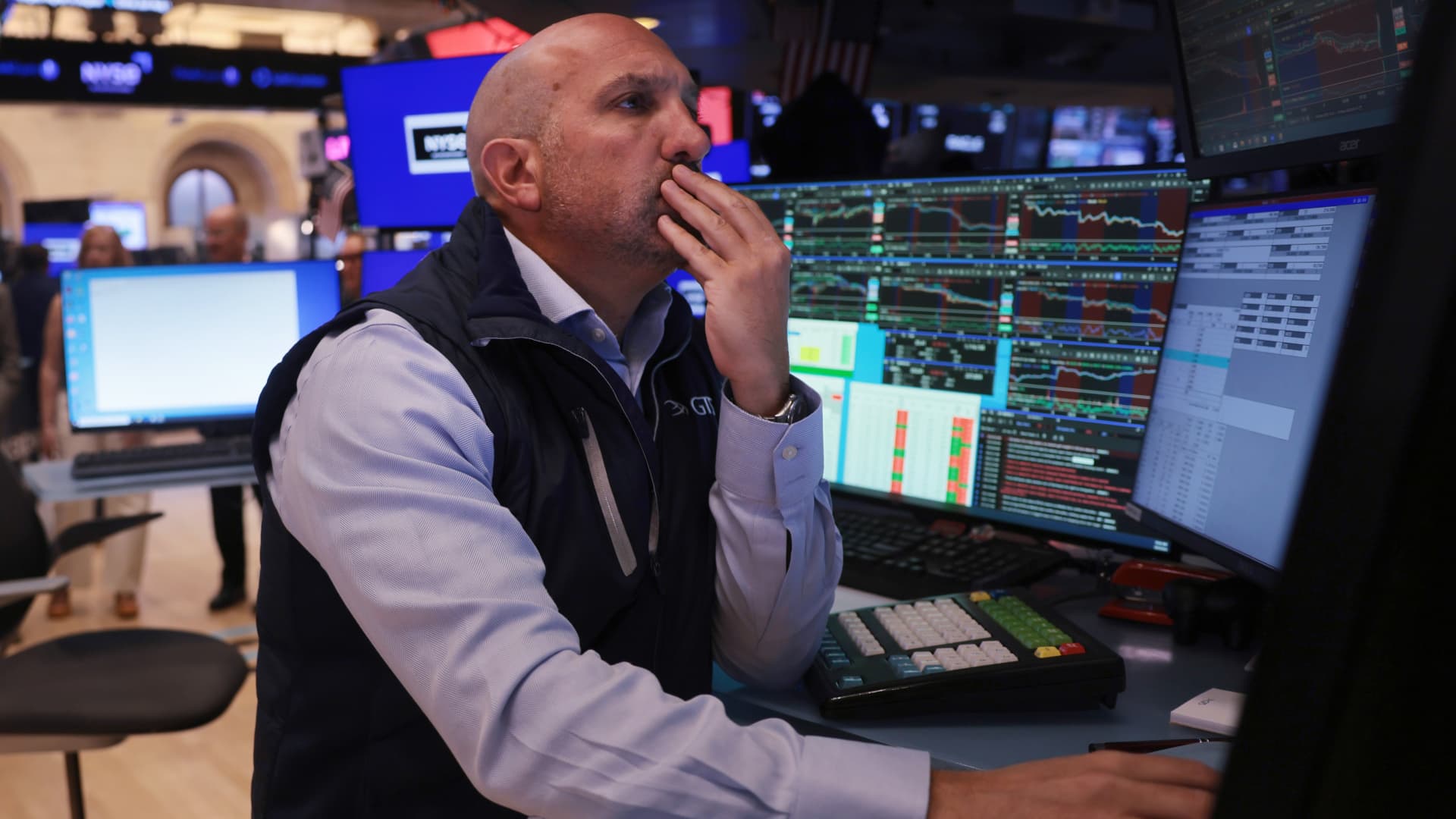
For investors and institutions, the emphasis on economic pressure suggests that market volatility will remain tied to the efficacy of these sanctions and trade measures. The specific economic measures currently being applied are not detailed in Vance’s remarks, but the overarching strategy points to a prolonged period of financial scrutiny and potential market adjustments as the US and Iran navigate this new phase of their relationship.