Vance confirms Iran agrees to IAEA inspector return amid peace talks
Technical discussions with the International Atomic Energy Agency could commence immediately as mediators outline a 60-day roadmap for a final ceasefire deal.
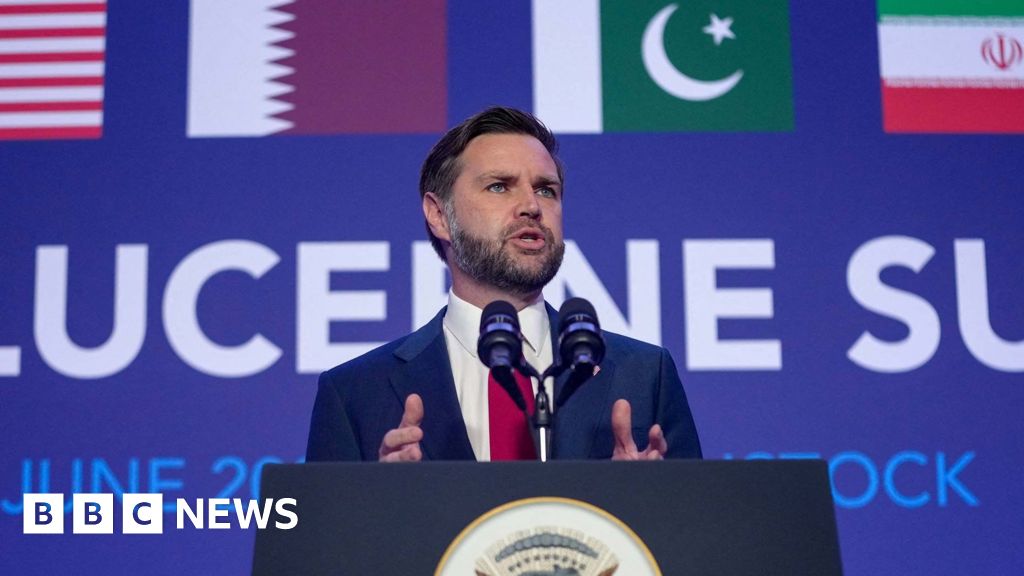
US Vice-President JD Vance has confirmed that Iran has agreed to allow International Atomic Energy Agency (IAEA) nuclear inspectors back into the country, marking a significant shift in diplomatic engagement. Speaking in Switzerland on Monday, Vance stated that technical discussions with the UN’s nuclear watchdog could commence as early as today, describing the development as a "major milestone" and a critical first step toward permanently ending Iran’s nuclear weapons programme.
The announcement follows the first round of negotiations between Washington and Tehran, which were mediated by Qatar and Pakistan. The mediators released a joint statement confirming that both parties have agreed to a "roadmap towards reaching a final deal within 60 days." This timeline aims to secure a comprehensive settlement to end the ongoing war, building upon a 14-point memorandum of understanding signed last week by US President Donald Trump and Iranian President Masoud Pezeshkian.
Beyond the nuclear issue, the initial talks addressed several urgent regional security concerns. The mediators confirmed the establishment of a communication line designed to ensure the safe passage of commercial vessels through the Strait of Hormuz, which Iran’s military command had recently declared closed to all traffic. Additionally, the parties agreed to create a de-confliction cell involving the US, Iran, and Lebanon to halt military operations in the region.
Iranian Foreign Minister Seyed Abbas Araghchi identified the creation of the Lebanon de-confliction cell as the first "real test" of the agreement. The initial memorandum called for a cessation of fighting on all fronts, yet violence has persisted; Israeli air strikes in Lebanon have killed at least 67 people, while attacks by the Lebanese armed group Hezbollah have resulted in the deaths of five Israeli soldiers.
The return of inspectors represents a reversal of recent hostilities. During the 12-day war in June 2025, Iran suspended IAEA access to sites bombed by Israeli and US forces, leading the watchdog to withdraw its remaining inspectors the following month. The current 14-point MOU specifically references addressing Iran’s stockpile of enriched nuclear material, a key demand of the international community that had been a point of contention since the US withdrew from the 2015 Joint Comprehensive Plan of Action.
Lead negotiators departed the talks in Bürgenstock, Switzerland, on Monday, with Iranian media reporting that technical discussions are set to continue. While Tehran maintains its nuclear programme is for civilian purposes, Vance emphasised that the immediate re-engagement with the IAEA lays a "very good foundation" for negotiations towards a final settlement.