Vance claims diplomatic progress as Iran-US tensions and Israel-UAE rift deepen
Amidst a fragile ceasefire and peak military readiness in Tehran, US officials report negotiation advances even as President Trump rejects Tehran’s latest proposal. Concurrently, diplomatic friction emerges between Israel and the United Arab Emirates over disputed claims of a clandestine Israeli visit.
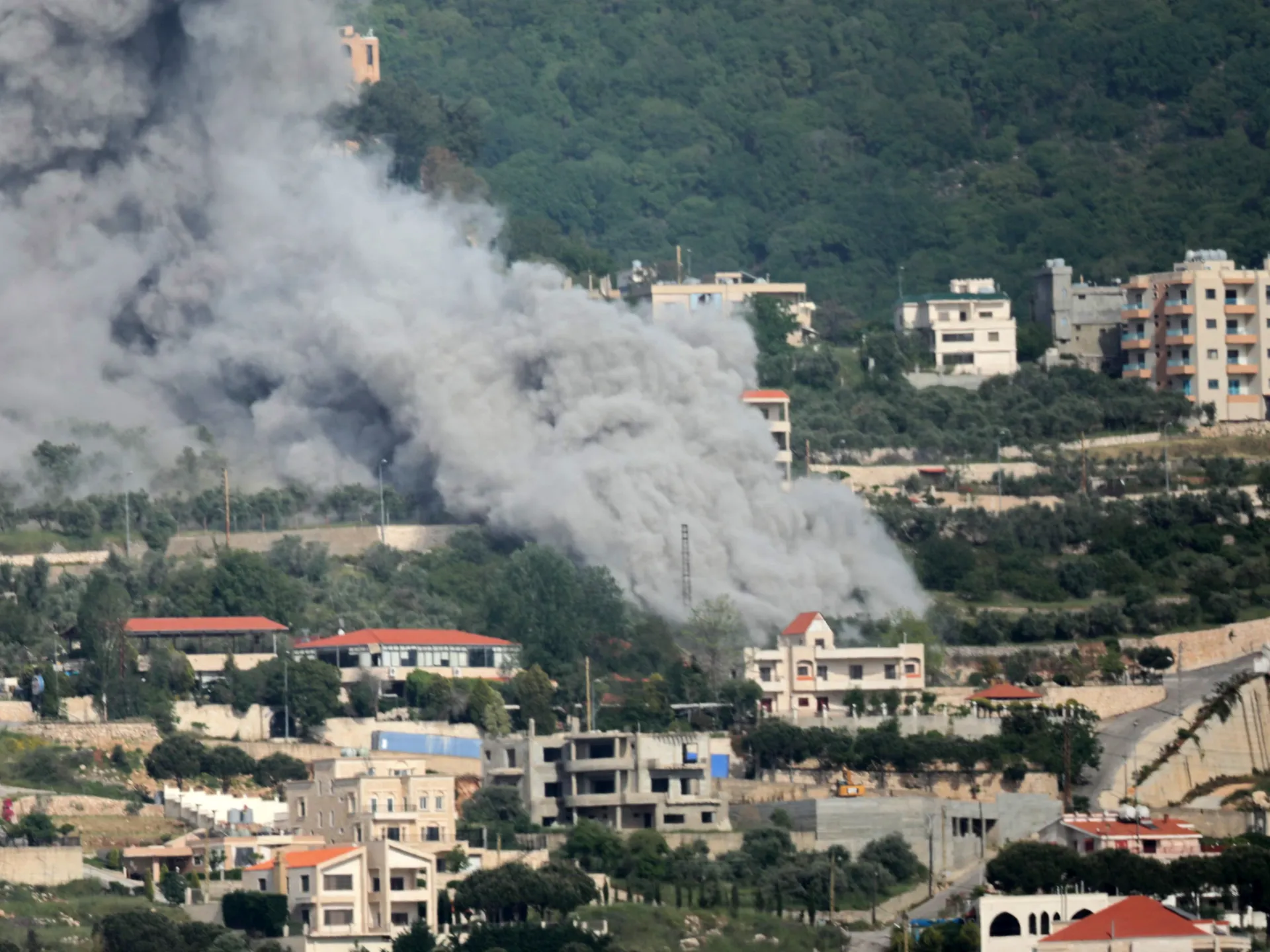
United States Vice President JD Vance has stated that progress is being made in negotiations with Iran, even as President Donald Trump dismissed Tehran’s latest proposal as unacceptable. The comments from Vance come as diplomatic efforts continue to stabilise the fragile ceasefire between Washington and Tehran, marking the 76th day of the conflict.
Despite the reported diplomatic movement, Iranian military officials have maintained a stance of uncompromising readiness. Brigadier-General Mohammad Akrami Nia warned that the Iranian military remains at its highest level of readiness and that there is no room for retreat. Iranian officials have continued to signal their preparedness to respond to any further escalation, underscoring the persistent tension between the two nations.
The diplomatic landscape is further complicated by a dispute between Israel and the United Arab Emirates. The Israeli Prime Minister’s office claimed that Prime Minister Benjamin Netanyahu made a secret visit to the UAE during the war, where he met with the UAE president. The visit was reportedly intended to coordinate regional strategy amidst the ongoing hostilities.
Abu Dhabi has firmly rejected these claims. In a statement carried by state news agency WAM, the UAE described reports of a Netanyahu visit or the presence of an Israeli military delegation as baseless. The statement stressed that the UAE’s ties with Israel under the Abraham Accords are public and not based on secrecy or clandestine arrangements, highlighting a divergence in how both nations characterise their diplomatic engagement.
In Tehran, public sentiment was reflected in celebrations for the national football team ahead of the 2026 World Cup. Crowds gathered in Enghelab Square to wave flags as players appeared on stage in red and black tracksuits. Iranian football federation president Mehdi Taj stated that the squad would represent the people, the country’s fighters, the leader, and the country.
Some fans carried placards honouring former Supreme Leader Ayatollah Ali Khamenei, who was killed during the war. The event served as a focal point for national unity and remembrance, contrasting with the intense geopolitical pressures facing the government.
These developments occur as President Trump begins his trip to China, marking the first visit by a US president to the Chinese capital in nine years. The trip coincides with the Iran conflict, which continues to reshape global energy markets and diplomatic alignments across the Middle East and beyond.