Valve’s Steam Frame delivers capable VR at a price Engadget says is too high
Engadget praised Valve’s comfortable standalone headset and stable wireless streaming, but said its US$1,059 starting price and limited new content weaken its appeal.
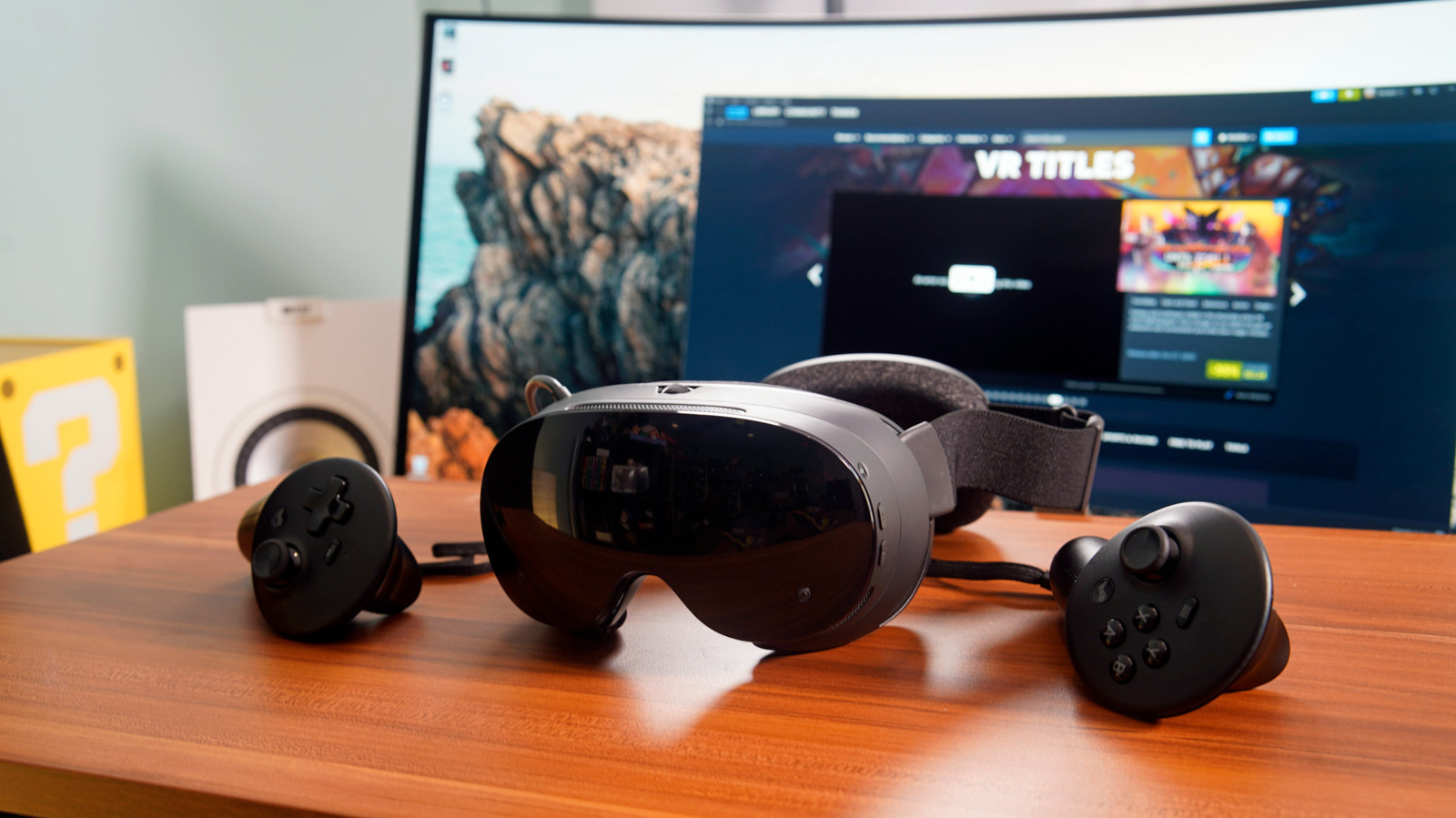
Valve’s Steam Frame is a capable standalone virtual-reality headset, but its price and timing could limit its audience, according to a review by Engadget. The headset starts at US$1,059 for 256GB of storage, while the 1TB model costs US$1,299. Australian pricing and availability were not provided.
Engadget found the 440-gram headset comfortable and well balanced, with 2,160-by-2,160-pixel-per-eye LCD pancake lenses, a Snapdragon 8 Gen 3 processor and 16GB of RAM. The display supports refresh rates from 72Hz to 144Hz, although the highest setting is described as experimental and more demanding on battery life.
The review found wireless PC streaming stable using Valve’s bundled 6GHz Wi-Fi 6E dongle. The headset can also run a standalone version of Half-Life: Alyx, although Engadget reported reduced sharpness, jagged edges and muddier textures compared with the desktop version. Intensive VR use lasted just under 90 minutes in the reviewer’s testing, compared with about two hours for lighter use.
Engadget said the Steam Frame’s main advantage over Meta’s Quest 3 and Quest 3S is its access to Steam VR games, standard 2D PC games and wireless streaming from a gaming computer. However, the reviewer said Steam VR and major new releases have stagnated since Half-Life: Alyx arrived in 2020, leaving limited new content to support the headset’s launch.
The review compared the Steam Frame’s pricing with US$600 for the Quest 3 and US$350 for the Quest 3S, describing Valve’s price as excessive. Engadget concluded that the headset is a solid standalone VR product aimed primarily at committed Steam VR enthusiasts, but judged it too late to reinvigorate what it characterised as a declining market.