USPS releases mail-in ballot rules despite court blocks
The United States Postal Service has published a final draft of regulations requiring states to barcode ballot envelopes and share voter records, aiming for immediate effect if current legal injunctions are reversed.
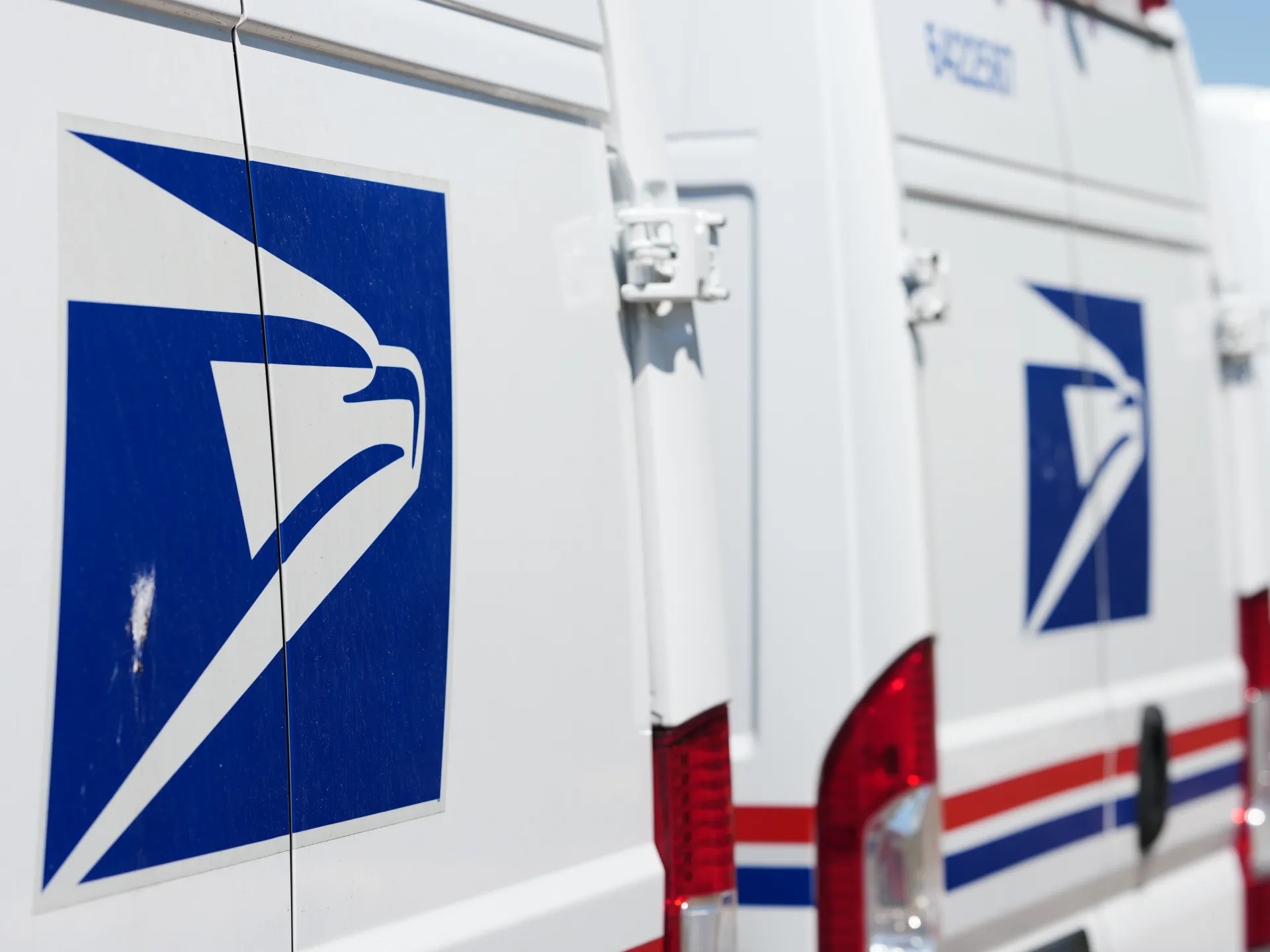
The United States Postal Service (USPS) has published a 95-page final draft of proposed rules to restrict the use of mail-in ballots, moving forward despite existing court injunctions that currently block their immediate effect. The document was released on Friday with the specific aim of allowing the regulations to take effect immediately should the current court orders be reversed.
Under the proposed framework, the Postal Service would cease distributing mail-in ballots in states that fail to comply with federal demands for voter records. States would be required to identify to the USPS any voters who have requested mail-in ballots. Additionally, ballot envelopes would need to be redesigned to feature barcodes, enabling the Postal Service to track and identify voting materials.
In the document, the USPS argued that these changes regulate the use of the mail to improve operational efficiency rather than usurping state resources. The agency stated that the requirements do not amount to election administration but support the faithful execution of federal law. However, critics contend that the measures exert excessive federal oversight over state election administration, a responsibility that falls to the states under the US Constitution.
The publication comes at a sensitive time, ahead of the November midterm elections where control of the US Senate and House of Representatives is at stake. Leaders of 23 states and the District of Columbia have challenged the administration’s plans, while a separate lawsuit was filed by voting rights organisations. US District Judge Indira Talwani issued a preliminary injunction in June, ruling that while states could voluntarily opt in, the federal government could not impose policies like barcoding.
Judge Talwani issued a second preliminary injunction on 11 August, addressing the case brought by voting rights groups. She noted that fewer than 90 days remained until the midterm races and found that enfranchisement heavily outweighed the executive’s attempt to insert itself into election regulation. Postmaster General David Steiner has defended the plan, arguing in June that the rules would ensure post officials match the ballots a state believes it is sending out to what actually gets sent.
Voting rights advocate Marc Elias stated on social media that the USPS "caved" to President Donald Trump following the release of the rules. Democratic lawmakers have similarly expressed concern over the timing, arguing that the Postal Service is seeking to reconfigure election rules with the midterms just months away.