USDA confirms first New World screwworm case in Texas in six decades
The US Department of Agriculture has verified the first locally acquired case of New World screwworm in the United States since 1966, triggering strict movement restrictions and warnings of significant economic impact on the Texas agricultural sector.
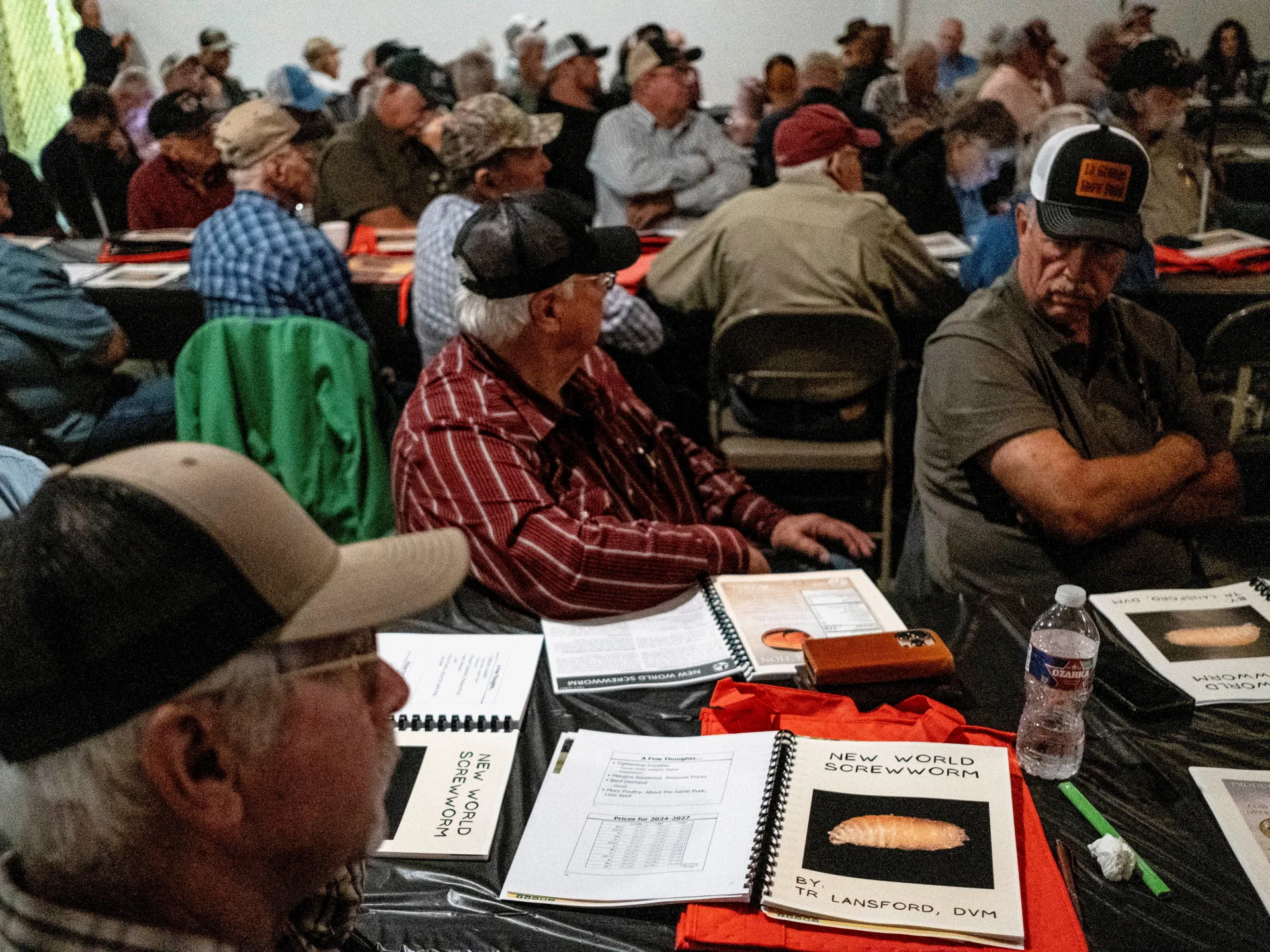
The US Department of Agriculture has confirmed the first case of New World screwworm in the United States in 60 years, detecting the parasite in a three-week-old calf in LaPryor, Texas. The infestation, described as locally acquired with larvae found in the animal’s umbilical cord, is believed to have migrated from Central America via Mexico. In response, authorities have established a 20km quarantine zone around the affected farm, prohibiting the movement of all animals, including pets.
Screwworm, caused by the larvae of the fly Cochliomyia hominivorax, feeds on the living tissue of warm-blooded animals and can cause devastating tissue damage in both livestock and humans. The parasite was previously declared eradicated in the US in 1966 following a massive sterile-fly release programme. However, the insect reappeared in Central America and moved into Mexico in 2023, where animal cases rose by 53 per cent between mid-July and mid-August 2025.
The outbreak poses a severe threat to the livestock industry, with the USDA predicting potential losses of $1.8bn for the Texas economy. Experts warn that the infestation could drive up beef prices further, compounding existing supply chain pressures. Washington has already halted cattle imports from Mexico for the past 12 months, citing the insect’s spread. This suspension has tightened the supply of beef cattle, contributing to rising prices as the US typically imports more than one million Mexican cattle annually.
Treatment of the infestation is labour-intensive and requires the manual removal of larvae, disinfection of wounds, and the use of antibiotics and insecticides. Most US cattle ranchers no longer possess the experience or tools to diagnose and treat screwworm due to decades of eradication. Long-term control relies on programmes of sterile male fly releases, a method that experts note was disrupted during the pandemic and by increased livestock movement.
While human infection is rare and not transmitted through eating inspected, cooked beef, the parasite remains a significant public health concern. The US Centers for Disease Control and Prevention investigated the country’s first human case last year, involving a patient who had returned from El Salvador. With US cattle herds already at a multi-decade low due to drought and high feed costs, a sustained outbreak could further diminish the national cattle supply and impact household food costs.