USB-C flash drives offer convenience, not guaranteed speed, Engadget finds
USB-C is better suited to newer phones, tablets and computers, while USB-A remains valuable for compatibility with older hardware and specialised tasks.
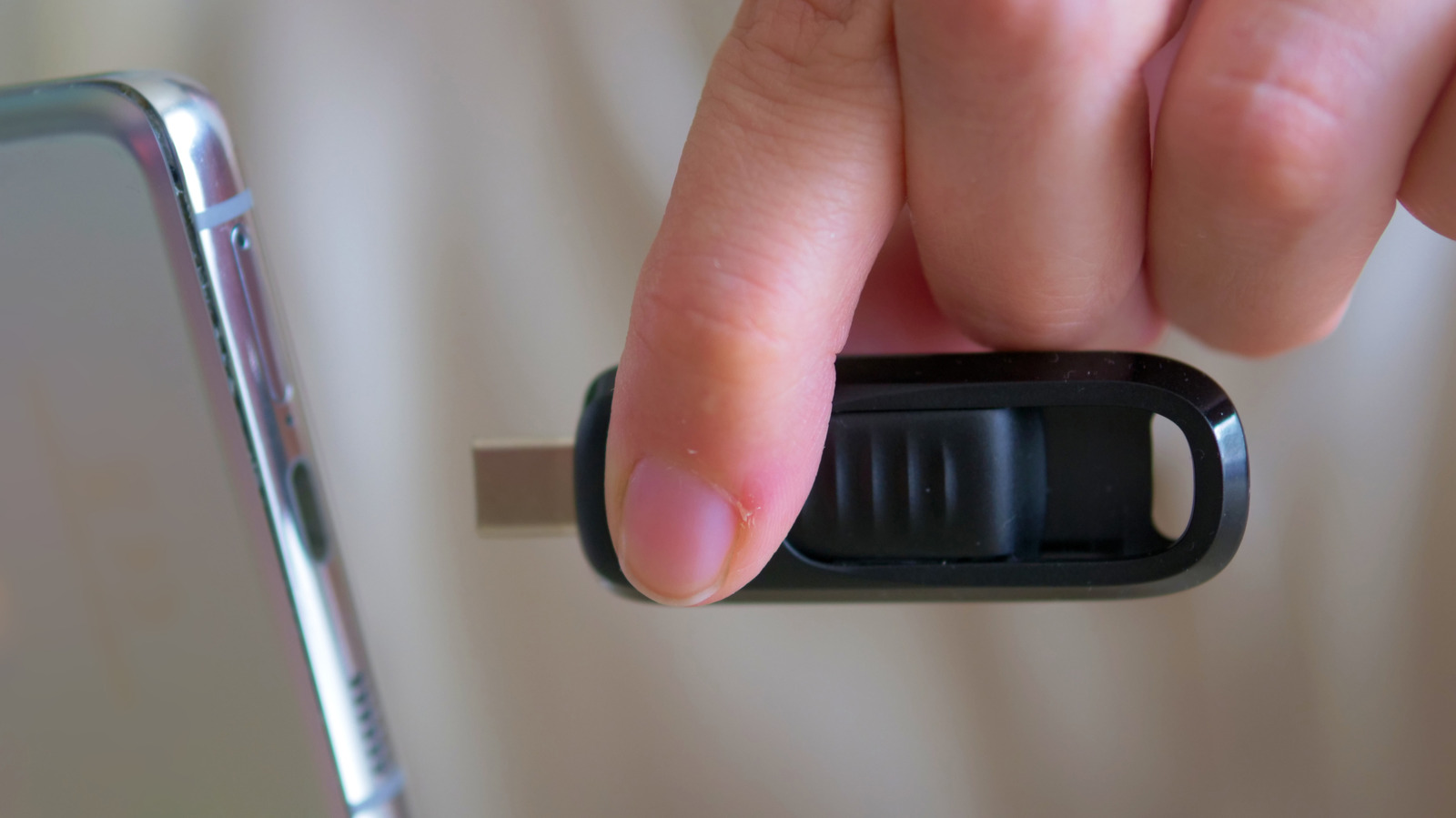
USB-C flash drives are generally more convenient for newer laptops, tablets and smartphones, but the connector itself does not determine how quickly a drive transfers data, according to a comparison by Engadget.
Performance depends on the drive’s USB protocol and read and write speeds, as well as the capabilities of the connected device. A USB-C drive using USB 2.0, for example, can be slower than a USB-A drive using USB 3.2. A faster drive will also be limited by a slower port.
USB-A remains widely used across desktop PCs, laptops, televisions, routers, cars and game consoles. It can be the more practical choice for older equipment, bootable operating-system media, firmware updates and shared devices where USB-C ports may be unavailable.
USB-C can support higher top speeds, but both the drive and the device must support the relevant standard. Advertised theoretical limits may not reflect typical performance from flash drives, making the underlying specifications more important than the connector shape.
Dual-ended USB-C and USB-A drives provide flexibility without requiring an adapter, although they are not automatically faster. Users should still check the manufacturer’s speed specifications before buying.
For very large files and higher speeds, portable solid-state drives are generally more suitable than small thumb drives, particularly for demanding workloads such as video editing and 3D work.